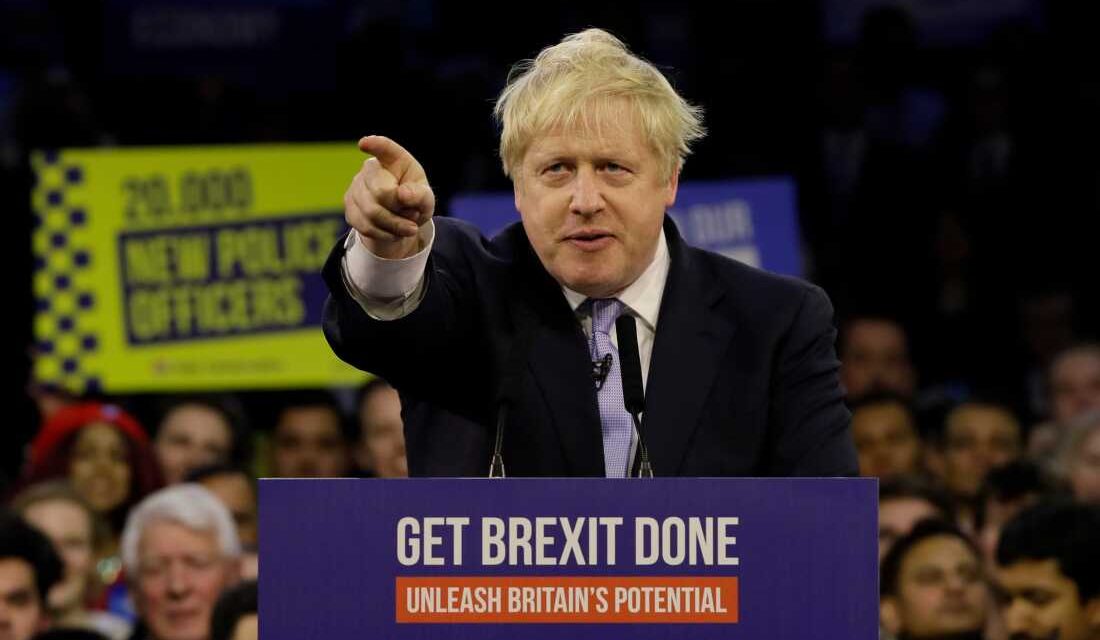
LONDON — Brexit reshaped the European Union and caused significant turmoil in British politics. On June 23, 2016, the United Kingdom voted 52%-48% to leave the EU after more than four decades of membership. Since then, the nation has seen seven prime ministers struggle with the aftermath.
Conservative Prime Minister David Cameron initiated the referendum, advocating for the U.K. to remain in the bloc but resigned immediately after the vote. His successors have faced challenges dealing with the rupture’s consequences, including Labour Prime Minister Keir Starmer. He announced his resignation, citing a sluggish economy, government dysfunction, and a divided electorate as part of Brexit’s legacy.
The Brexit Campaign and Its Promises
Brexit campaigners aimed to channel dissatisfaction by promising control over laws, the economy, and borders. While the “remain” campaign focused on economic downsides, the “leave” campaign was driven by strong emotions. Boris Johnson, a key campaign figure, described a vision of “sunlit meadows” and urged taking the chance to exit.
Margaret MacMillan, a history professor, identified motives such as nostalgia and opposition to perceived unrestricted immigration and EU regulations. The campaign left unclear explanations about Brexit’s implications.
The Reality of Brexit’s Challenges
Promises around immigration control, trade deals, and funds for public services clashed with complex negotiations. The UK’s formal departure on Jan. 31, 2020, led to prolonged transition talks. Prime Minister Theresa May resigned after failing to achieve acceptable exit terms.
Johnson replaced May, secured a basic trade deal, but ultimately faced ousting due to scandals. Following a brief term in office, Liz Truss was succeeded by Rishi Sunak, who improved EU relations. Starmer planned a “reset” but avoided rejoining the bloc’s frictionless market.
Political Party Divisions
Historian Anthony Seldon noted Cameron’s referendum aimed to end Conservative Party arguments over Europe. However, divisions persist, with members advocating for varying degrees of Brexit. Labour, more pro-EU, faces similar internal splits.
Voters have sought alternatives, turning to the Green Party and Nigel Farage’s Reform UK. Farage, Brexit’s prominent campaigner, shifted his focus to topics like asylum seekers, maintaining a strong influence on public opinion.
Growing Cynicism and Economic Struggles
The economy faced slow growth, attributing some blame to Brexit alongside factors like COVID-19 and international conflicts. Politicians failed to address public expectations for simultaneous improvements in taxes, services, and debt, resulting in disappointment.
Immigration remains a contentious issue, with figures fluctuating post-Brexit. Cynicism grew, and trust in politicians declined. Heightened debates led to street violence fueled by misinformation about crimes by immigrants.
Reflecting on Brexit Regrets
Polls indicate some “Bregret,” with a majority favoring rejoining the EU. Recent marches in London attracted smaller crowds compared to past protests. Brexit continues as a political challenge many prefer to avoid, with potential re-entry into the EU seen as a long process.
Chris Grey likened Brexit’s impact to a chronic illness, suggesting politicians need to confront its legacy to resolve looming challenges.
 Messi, Mbappe, and Haaland Shine in World Cup Action
  Norwegian Team Off to Strong Start at World Cup on North American Soil
  Republicans Reignite Criticism Over Trump’s Iran Deal Framework Amid Negotiation Uncertainties
  Trump to Attend Theodore Roosevelt Library Dedication in North Dakota
  Algeria Secures Crucial Win Over Jordan to Boost World Cup Hopes
  Haaland Leads Norway to World Cup Knockout Stage