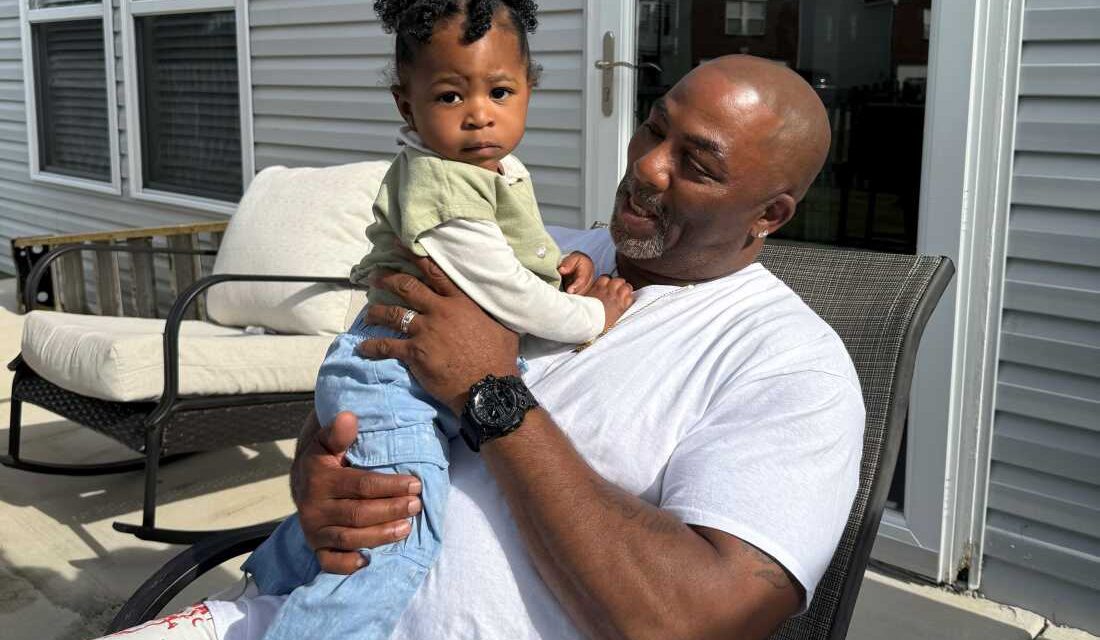
Anthony Bailey, 61, finds himself at a crossroads following a Supreme Court ruling. In May 2025, Bailey was pictured holding one of his grandchildren, a testament to his rebuilt life after spending 27 years in federal prison. He was released two years ago, only to face the possibility of returning to prison due to recent legal developments.
Bailey’s life post-release has been active and full of community involvement. He works long hours driving a city bus in Indianapolis, enjoys barbecues, and plays card games with his family. Despite these efforts, recent court rulings might force him back into prison.
I’m hoping and praying that everything turns out and I get my life back. Today, right now, I’m a better person — I’m a productive citizen, I work hard.
The Supreme Court decided that the compassionate release program is meant for extreme cases like severe illness or old age. It ruled that those serving sentences longer than punishments handed out today do not qualify automatically for compassionate release. This decision affects Bailey and about a dozen others directly.
Retired Judge John Gleeson disagrees with the ruling, criticizing the lengthy sentences as indefensible. He initiated a pro bono program aiding over 100 inmates in seeking early release, many of whom are Black men who used a gun in crimes but did not fire a shot. These inmates received mandatory penalties leading to sentences lasting decades.
Bailey’s case stems from a September 1997 incident involving a bank robbery and carjackings, where no one was physically harmed. Bailey expressed regret and has maintained a clean record with only one minor infraction during his prison term spent mostly in Terre Haute, Indiana, working as a barber.
His pro bono lawyer, Maryam Kanna, argues that Bailey poses no danger and is a stable, contributing member of society. Despite changes in the law reducing some harsh penalties, lawmakers have not made these changes retroactive, impacting Bailey’s case negatively.
Prosecutors may soon attempt to have Bailey serve out his original sentence, which ends in 2050, when he would be nearly 86 years old. Bailey, who remains hopeful, said he will abide by the law but will continue to fight for his freedom. His probation officer previously indicated that his early release from probation could be recommended, but the new developments cast uncertainty over his future.
Bailey cherishes time with family, attending park gatherings and sharing moments with his grandson, who enjoys simple activities like washing cars and helping with chores. Treating his grandson to favorites like McDonald’s fries remains a cherished part of their time together.