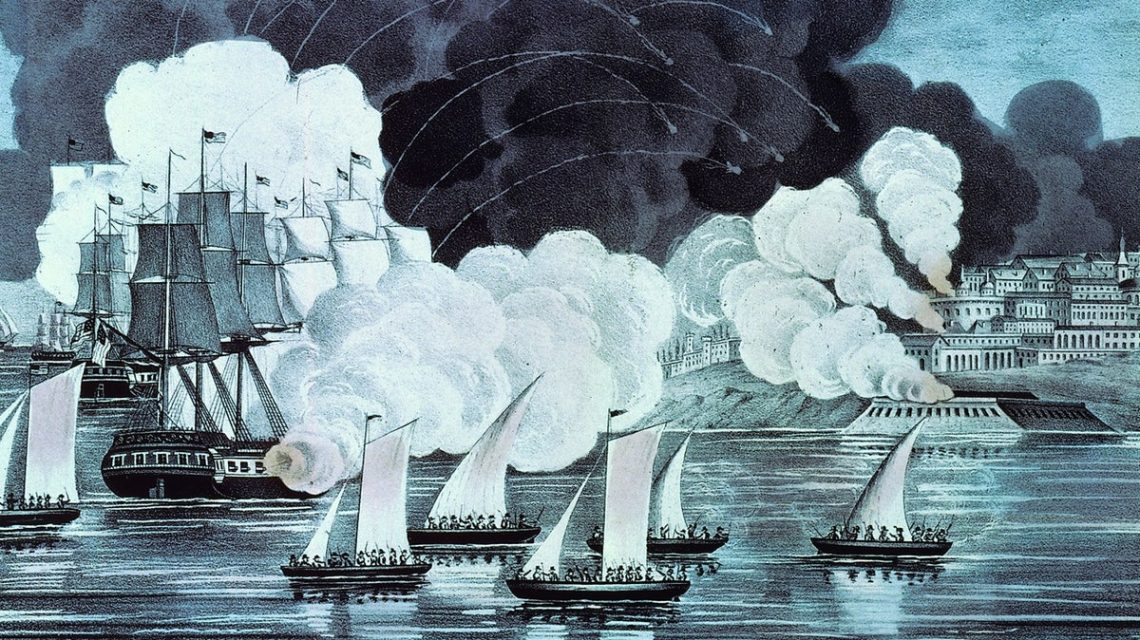
The Barbary pirates of North Africa posed a substantial threat to American merchant ships in the Mediterranean after the War of Independence. These pirates enslaved crews and endangered commerce. Lacking naval power, the United States paid a monetary tribute to prevent attacks.
This situation sparked a debate between key figures. John Adams argued for paying the extortion fee, while Thomas Jefferson advocated for building a navy to combat the pirates. Today, centuries later, the U.S. faces similar questions regarding the defense of international waterways, now with the Strait of Hormuz and the Islamic Republic of Iran instead of Barbary.
Historical Confrontations
In 1786, during a meeting in London, Tripoli’s ambassador asserted that Barbary held sovereignty over the Mediterranean and could demand tolls. He claimed a divine right to capture non-compliant nations. This deeply affected Adams and Jefferson’s strategies. Adams felt a lasting conflict with the Barbary states was undesirable. He argued that it would be costly and painful for Americans, suggesting tribute as a practical solution.
Conversely, Jefferson saw military action as the only path to peace, believing it would earn respect and safeguard interests. Yet, he recognized that America lacked a navy at the time, making war talk premature without federal measures to correct perceptions of U.S. impotence.
The Constitutional Debate
The difference in opinions between Adams and Jefferson became a central issue during the 1789 Constitution debates. A single federal government would be necessary to fund a navy and deal with threats like Barbary. James Madison argued that strength deters insults, supporting a federal structure to avoid danger.
The federalists secured a victory. America, under the new Constitution, built six frigates tailored for combat near Barbary’s shores. This marked the beginning of America’s first foreign war, which lasted until 1815. The ultimate defeat of Barbary ensured safe passage for American ships through the Mediterranean.
This victory inspired national pride, leading to the erection of the first U.S. war monument at the Naval Academy in Annapolis. Numerous cities were named after Commodore Stephen Decatur, and the Marines continue to sing of landing “on the shores of Tripoli.”
Modern Reflections
As the U.S. approaches its 250th anniversary, these historical lessons remind Americans of the choices their founders made in the face of similar challenges. The decision to use military force against Barbary, which resulted in a lasting peace, contrasts with the Trump administration’s dual approach to Iran. Whether America can replicate its historic success in ensuring peace and navigation freedom remains uncertain.
Michael Oren, a former Israeli ambassador to the United States, Knesset Member, and Deputy Minister of Diplomacy, offers insights through his publication “Clarity”.
 Iran’s World Cup Team Faces Challenges Amid Policy Changes
  U.S.-Iran Talks Lead to Controversial Memorandum Involving Frozen Iranian Assets
  Bahrain Imposes New Restrictions on Shiite Religious Observance
  Taiwan’s Demographic Challenge: Pets Outnumber Children Amid Falling Birthrates
  Ebola Case Confirmed in France Amid Congo Outbreak
  Ukraine’s Targeted Strikes in Crimea Escalate Tensions