
Walking along the waterfront of Lake Lucerne, the scene resembled Switzerland in appearance but felt different. In the distance, the majestic Alps stood with their white peaks reflected in the turquoise waters. Typically, this area is known for its cool, crisp mountain air. However, during my recent visit, the heat was intense, and the humidity was overwhelming. The atmosphere felt more like the tropical climate of Luzon in the Philippines.
Along the lake, soccer fans in red and white gathered to watch the FIFA World Cup match on large outdoor screens. The game between Switzerland and Bosnia-Herzegovina took place across the ocean in the U.S. Each time Switzerland scored, the air filled with loud cheers that echoed through the thick humidity.
This weather brought back memories of a previous reporting trip. I had accompanied a Swiss glaciologist while hiking the Rhône Glacier. He explained how Switzerland is particularly vulnerable to climate change. The country experiences frequent temperature extremes, leading to some of the world’s fastest melting glaciers.
That evening, Switzerland achieved victory in its World Cup match. Yet, the ongoing challenge with climate change continues. The nation struggles with the impact of warming temperatures.
 Europe Leads in Rapid Warming Due to Fossil Fuels and Local Factors
  Egyptian Archaeologists Uncover Ancient Burial Practices at Greco-Roman Cemetery
  Lincoln Memorial Reflecting Pool Renovation and Controversy: Arrests, Environmental Concerns, and Repairs
 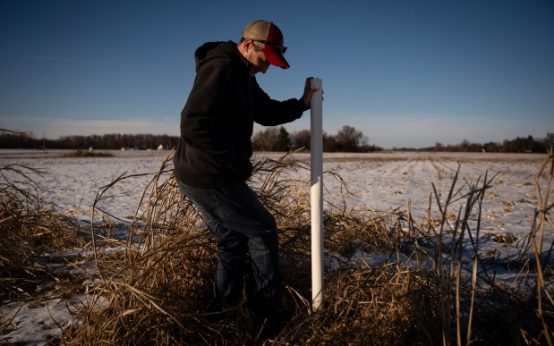 The Alarming Issue of Abandoned Oil Wells in Southern Illinois
  Regulatory Reclassification of Shellfish by U.S. Fish and Wildlife Service
  Heatwave Grips Europe with Record Temperatures