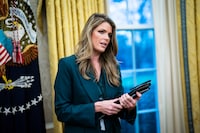
In a move that has surprised and concerned European leaders, President Trump has issued a stark ultimatum regarding Greenland. According to reports, he has demanded the territory be handed over to the United States or face the threat of a trade war. This aggressive stance has led some officials to believe that retaliation might be a more suitable response, rather than attempting to placate the U.S. president.
Global Reactions
The situation has been escalating, with world leaders convening at economic summits like Davos, where these tensions are at the forefront of discussions. Canadian Prime Minister Justin Trudeau, speaking at the event, warned of a potential ‘rupture in the world order,’ highlighting the increasingly fragile state of global alliances.
In Europe, there is a growing sentiment of disenchantment with the U.S., with many allies reevaluating their relationship with what they now see as an increasingly unreliable partner. This shift is palpable in various diplomatic circles, as highlighted by Ishaan Tharoor in his column, where he underscores European leaders’ shift in approach towards their American counterpart.
Domestic Developments
Back in the United States, significant administrative changes continue. Notably, Lindsey Halligan has been removed from her position as U.S. attorney following mounting pressure from the judiciary. Federal judges have criticized her tenure, with some going as far as to call her title a ‘charade.’
Meanwhile, the administration is dealing with revelations concerning the Department of Government Enterprises (DOGE) after it was revealed that an employee accessed personal Social Security data as part of efforts to challenge election results. This has added another layer of complexity to the already controversial management of these government entities.
Impact on U.S. Policy
President Trump’s approach, as seen in recent months, indicates a shift towards a more unconstrained and direct style of governance. His actions in the briefing room suggest a presidency less tied down by traditional political constraints, as noted by analyst Matt Viser.
These developments have broad implications, affecting everything from international diplomacy to domestic policy changes. It remains to be seen how these dynamics will play out on both the national and international stage, with significant consequences for global stability and the U.S.’s role within it.
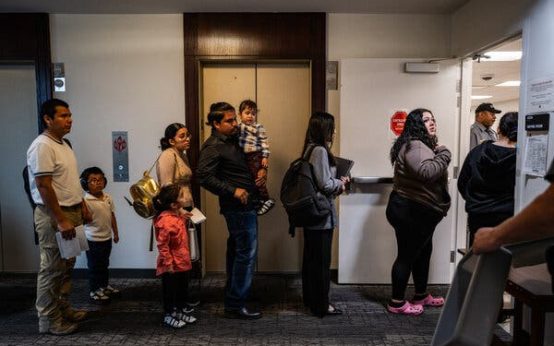 Judge Overturns Trump-Era Immigration Policies
 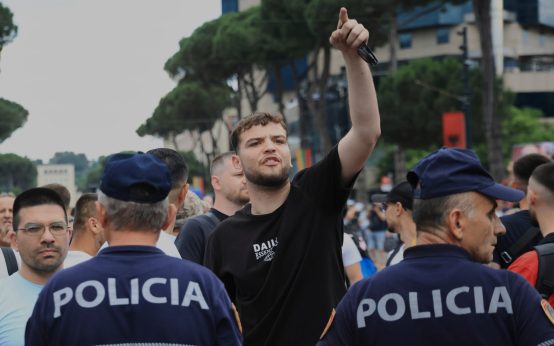 Protests Erupt in Albania Over Resort Development
 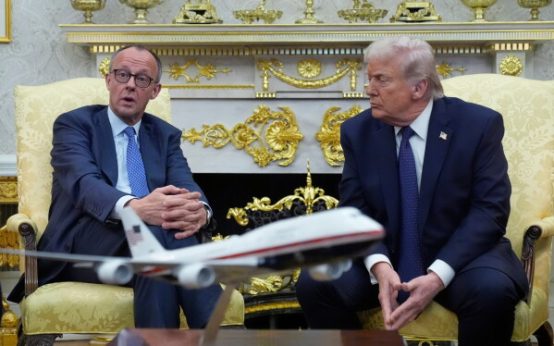 Clarity Sought on U.S. Troop Levels in Europe Amid Policy Changes
 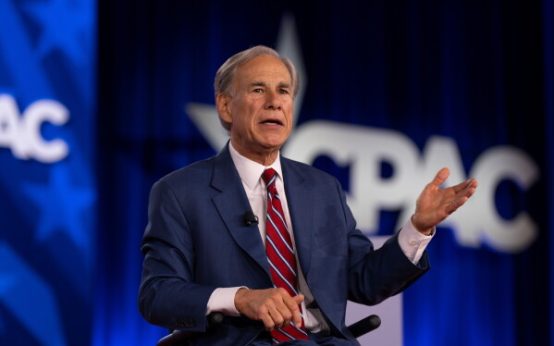 U.S. Military Awaits Pentagon’s Clarification on Troop Levels in Europe
  Potential Ebola Outbreak in Central Africa Raises Concerns of Rapid Spread
 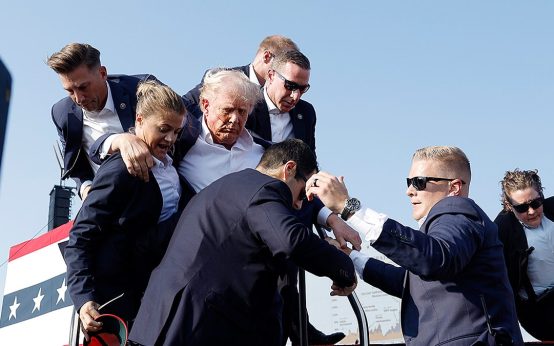 Lawsuits Against Federal Government Following Pennsylvania Rally Shooting