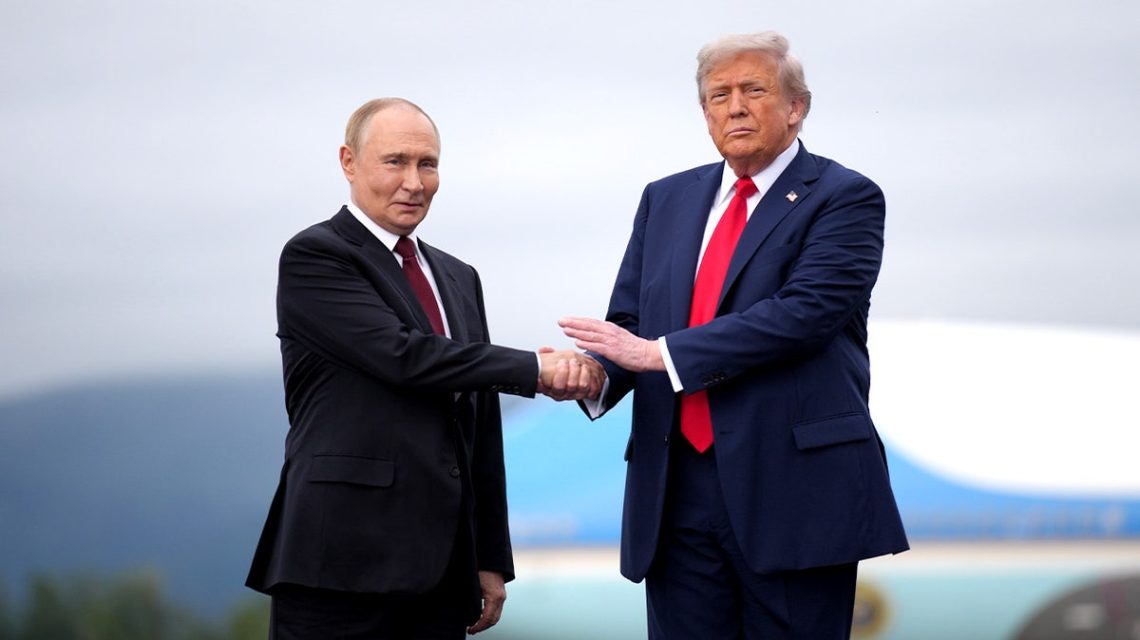
As of Thursday, the New START Treaty, a cornerstone agreement for nuclear arms reduction between the United States and Russia, is set to expire. This treaty’s expiration marks a significant shift, leaving no binding limits on the nuclear arsenals of these superpowers and dismantling the inspection regime that ensured compliance.
The End of the New START Treaty and Its Implications
Matt Korda, associate director of the Nuclear Information Project at the Federation of American Scientists, emphasizes the gravity of the treaty’s expiration. He indicates that it obliges both nations to reconsider their nuclear strategies, which have been guided by this framework for over a decade. “Historically, each country planned its nuclear modernization programs based on mutual limits,” Korda explained. “Without these, they need to reassess their strategies in a more volatile nuclear environment.”
Russia’s Position and Suspension
Russia had already suspended its participation in the New START treaty back in 2023, halting inspections and data exchanges that were essential elements of the agreement. With its expiration, the last legal constraints on nuclear arsenals are removed. Yet, any future arms control efforts demand collaboration with China, a point reiterated by the U.S. administration. Secretary of State Marco Rubio stated, “For true 21st-century arms control, China’s inclusion is necessary due to its rapidly expanding stockpile.”
Challenges with China’s Nuclear Ambitions
China aims to substantially grow its nuclear arsenal, targeting 1,000 warheads by 2030. Despite this growth, their numbers are still minor compared to the vast U.S. and Russian stockpiles. As of early 2026, the U.S. and Russia hold about 86% of the world’s nuclear inventory, each with approximately 4,000 warheads, with some 1,700 deployed.
Potential for Future Arms Race
The suspension of the treaty opens up a debate on a potential arms race, with countries needing to rely heavily on their intelligence without the traditional inspection protocols. Korda warns that this situation encourages “worst-case planning,” given the absence of reliable data exchanges.
Ankit Panda from the Carnegie Endowment for International Peace argues that in the immediate aftermath, Russia might be quicker to expand its arsenal by increasing warheads on current missiles, a process known as “uploading.” However, producing new weapons remains a different challenge. “Uploading allows Russia to act rapidly,” Panda said, “but industrial production remains limited.”
Nuclear Production and Global Balance
The aging infrastructure of nuclear weapon production in the U.S. poses a challenge for any rapid arsenal expansion. The production capabilities previously seen during the Cold War era are not currently available. Nicole Grajewski of the Carnegie Endowment for International Peace discusses Russia’s edge in warhead production but cites limitations in missile delivery systems, particularly affected by ongoing commitments in Ukraine.
Broader Concerns in Nuclear Capabilities
There’s also heightened concern over unconventional nuclear systems that are beyond the scope of existing treaties, such as the Poseidon nuclear-powered torpedo. President Trump’s past calls for arms control suggest a willingness to consider new testing unless mutual agreements involve both Russia and China.
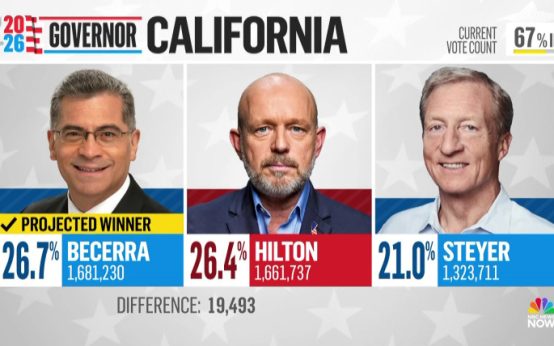
 California’s Primary Election: Highlights and Insights
  President Trump’s Attendance at NBA Finals Game Sparks Reactions
  Investigations Launched Amid California Election Fraud Claims
  Khanna Urges Apology from Maine Senate Candidate Over Misconduct Allegations
  Judge Overturns Trump-Era Immigration Policies
  Trump Aims to Reduce National Intelligence Office Size