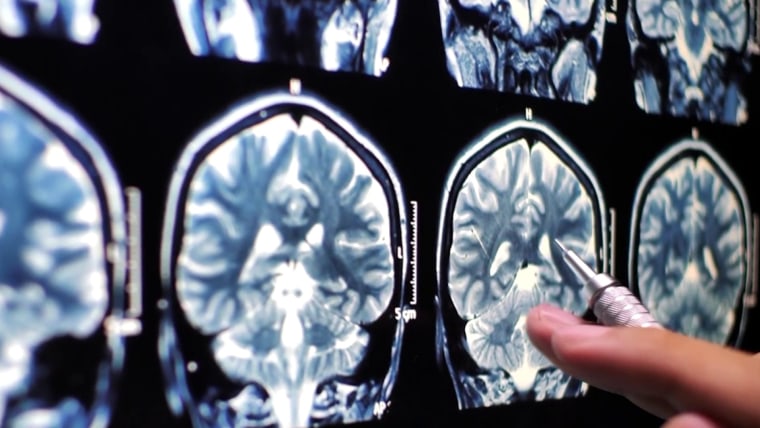
A significant long-term research study has suggested that engaging in a brain training video game could offer protection against dementia for many years. Experts describe this research as the most compelling evidence to date, indicating that cognitive training can lead to enduring changes in the brain.
Research Findings
The study was published in the journal Alzheimer’s & Dementia: Translational Research & Clinical Interventions. It involved a long-term follow-up of the Advanced Cognitive Training for Independent and Vital Elderly (ACTIVE) trial, where participants who engaged in up to 23 hours of specific cognitive training known as speed training over three years experienced an impressive 25% reduction in the risk of developing Alzheimer’s and other dementia types over a 20-year period.
These findings reinforce earlier results from the trial, which showed participants had a reduced dementia risk after ten years. The ACTIVE study, funded by the National Institutes of Health (NIH), is a large-scale, randomized controlled trial that included nearly 3,000 elderly participants. They did not exhibit any significant cognitive impairment before enrolling.
Study Details
Participants, predominantly female and approximately 25% of whom were from minority groups, began with up to ten training sessions, each lasting 60 to 75 minutes, over five weeks. About half received additional booster sessions totaling up to 23 hours over three years. Researchers followed their medical records through Medicare to identify dementia diagnoses during the 20-year follow-up.
The training emphasized improving the ability to process visual information quickly and accurately, akin to the cognitive demands of driving. Marilyn Albert from Johns Hopkins mentioned the element of surprise in these findings, highlighting how the brain may undergo significant long-lasting changes, a concept known as neuroplasticity.
Speed vs. Other Training Types
The study separated participants into groups focusing on speed training, memory training, or reasoning training, in addition to a control group that didn’t receive any cognitive training. Speed training uniquely demonstrated a reduction in dementia risk, with its adaptive nature possibly contributing to this success. Adaptive training varies difficulty based on performance, engaging broader neuronal networks and potentially enhancing cognitive reserve.
Implicit learning, where skills once learned persist without additional practice, is another suggested explanation for speed training’s success. This differs from explicit learning, which focuses on conscious fact learning. Experts believe that visual processing speed training might build a more resilient cognitive reserve, aiding the brain in combatting dementia effects.
Recommendations and Considerations
The speed training utilized was initially developed by psychologists and has evolved into an exercise called “Double Decision,” available through BrainHQ, an online subscription service. While recommending this training to individuals over 65, Albert notes the potential benefits for younger adults, who might start seeing protective effects should they engage earlier.
Nevertheless, Alzheimer’s and dementia are complex disorders, with no single solution. Neurodegenerative disease experts emphasize the importance of proactive measures and maintaining brain health through various strategies.
Additional Strategies to Reduce Dementia Risk
Dr. Kellyann Niotis and Dr. Richard Isaacson point out several aspects associated with a lower dementia risk. Maintaining healthy hearing, managing metabolic factors, correcting vision impairments, and staying physically active can collectively reduce this risk. Engaging in cognitively challenging activities during exercise can be particularly beneficial.
Additionally, emerging research indicates that vaccinations, such as for shingles, could potentially decrease the likelihood of cognitive decline. For instance, a large 2025 study published in Nature found a 20% lower risk of dementia among vaccinated individuals over a seven-year follow-up.
Dr. Akshay Syal, a physician at UCLA Health, further emphasizes the relevance of prioritizing brain health through these diverse and accessible measures.
 Mount Sinai Health System Faces Subpoena on Gender-related Care
  Potential Ebola Outbreak in Central Africa Raises Concerns of Rapid Spread
  Researchers Escorted Out of Diabetes Conference for Criticizing Trump Administration
  Ebola Outbreak in Africa: A Serious Concern
  Gold and the Ebola Outbreak in Congo’s Mining Towns
  House Passes Bill for Veterans’ Benefit Increase