Japan’s conservative Prime Minister, Sanae Takaichi, has secured a decisive victory following a strategic snap election. Since assuming office in October as the leader of the governing Liberal Democratic Party (LDP), Takaichi has achieved more than the required 310 seats for a supermajority in the 465-seat lower house. This was confirmed by Japanese public broadcaster NHK, reporting on the official election count concluded Sunday evening. Achieving a supermajority allows Takaichi’s ruling coalition to surpass the upper house, where they currently lack a majority.
According to an NHK exit poll conducted as voting concluded earlier that Sunday, the LDP was anticipated to secure between 274 to 326 seats. Together with its coalition partner, Ishin, the projection was a combined 302 to 366 seats as voters cast their ballots amidst unusual winter cold.
The far-right Sanseito party, which prioritizes a nationalist agenda, was projected to gain up to 14 seats according to the exit poll, quadrupling their presence but not reaching their goal of 30 seats. Commenting on the results from the LDP headquarters, Takaichi expressed her commitment to maintaining the coalition with Ishin, emphasizing fiscal sustainability and signaled no immediate plans for a major cabinet reshuffle.
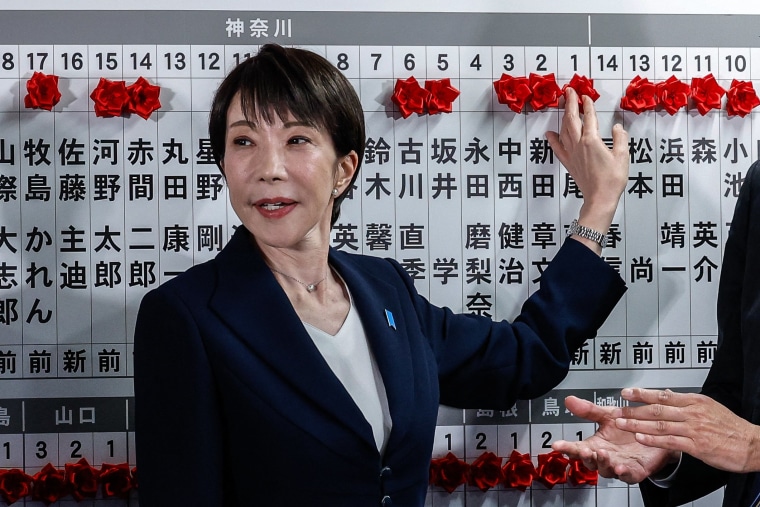
In Japanese custom, election victories are symbolized by paper flowers; a board behind Takaichi at the LDP headquarters was adorned with red paper roses to honor the triumph of LDP candidates.
Congratulating Takaichi on her electoral success, Taiwanese President Lai Ching-te was among the first international leaders to express his well-wishes, highlighting the potential for cooperation in promoting peace and prosperity within the Indo-Pacific region. President Lai expressed his hopes for a prosperous future for Japan and its regional partners on social media.
“May your victory bring a more prosperous and secure future for Japan and its partners in the region,”
he posted on X.
Takaichi has shown strong support for Taiwan, sparking a major confrontation with China in November when she mentioned the possibility of a Japanese military response to any Chinese aggression against Taiwan, considered by China as its territory.
The sudden election came as a surprise to both her party, the opposition, and many voters, but Takaichi’s bold move, backed by her charismatic persona and unexpected support from younger voters engaged in “Sanamania,” has evidently brought success.
As the country’s first female prime minister, Takaichi sought direct public support to enhance Japan’s defense capabilities and strengthen its global influence. Her proactive stance reflects Japan’s growing urgency to address security threats posed by neighboring countries like China and North Korea, especially as its primary ally, the United States, shifts focus to other regions.
Takaichi has established a notably positive rapport with former U.S. President Donald Trump, who visited Japan shortly after she assumed office. Trump publicly endorsed Takaichi via a Truth Social post, praising her as a strong and wise leader.
“In my visit to Japan I, and all of my Representatives, were extremely impressed with her,”
Trump noted, adding plans for a meeting at the White House on March 19. Although it’s uncommon for U.S. presidents to endorse foreign election candidates, Trump has made exceptions on various occasions.
George Edward Glass, the U.S. ambassador to Japan, also applauded Takaichi’s impressive victory and expressed intentions to strengthen bilateral relations.
However, Takaichi’s rhetoric on Taiwan has strained Japan’s relationship with China. While nationalists supported her bold approach, some criticized it as imprudent. China’s response included reinstating a ban on Japanese seafood imports, imposing limits on rare-earth mineral exports, and cautioning Chinese citizens regarding travel to Japan.
Despite initially professing to resign if her coalition lost its majority, Takaichi is on track not only to maintain but expand her party’s influence, which has historically led Japan for much of the postwar era. Her popularity remains a subject of intrigue even as skepticism persists about her party, which has faced persistent scandals and recent electoral setbacks.
Voters find Takaichi — a self-proclaimed motorbike enthusiast and heavy metal drummer — refreshing amidst Japan’s typically male-driven political landscape. Despite her conservative views, which do not always favor women’s advancement, her administration includes only two female cabinet members.
The fascination with Takaichi largely stems from her dynamic style rather than her political stances, with her famous pledge to “work, work, work, work and work” declared the year’s catchphrase. Her choice items, like the pink ballpoint pen and pricey black leather handbag, have achieved viral popularity.
Notably adept at leveraging social media, Takaichi boasts over 2.6 million followers on X, considerably outpacing her predecessor, Shigeru Ishiba. Her support is especially robust among the younger demographic, with polls indicating approval from over 80% of youth voters.
Reporting by Freddie Clayton, a London-based freelance journalist, and Jennifer Jett from NBC News in Hong Kong.
 Protests Erupt in Albania Over Resort Development
 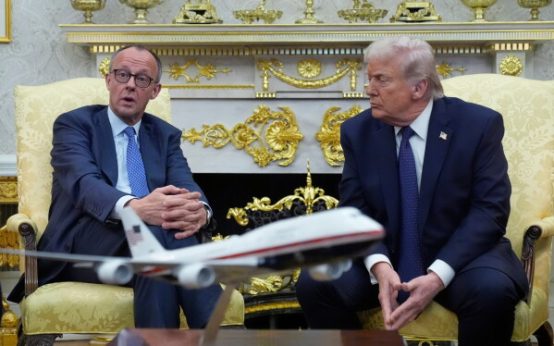 Clarity Sought on U.S. Troop Levels in Europe Amid Policy Changes
 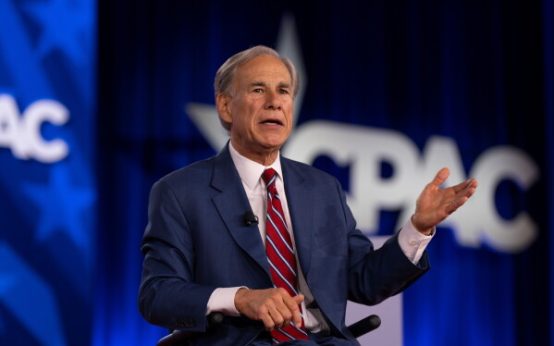 U.S. Military Awaits Pentagon’s Clarification on Troop Levels in Europe
  Potential Ebola Outbreak in Central Africa Raises Concerns of Rapid Spread
  U.S. and Allies Condemn Efforts to Overthrow Bolivian Government
  Pamela Hicks: Cousin, Bridesmaid, and Witness to History