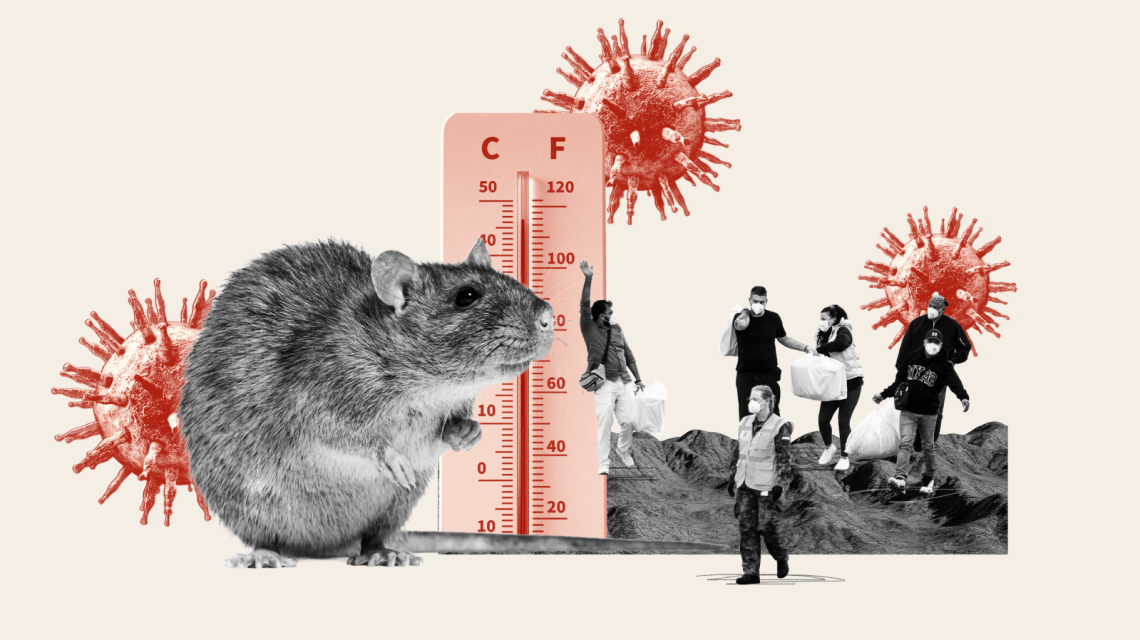
Experts caution that developing ‘super El Niño’ conditions in the Pacific may not only change weather patterns but also increase hantavirus infection risks in certain U.S. regions by encouraging rodent population growth. The recent hantavirus incident on the MV Hondius cruise ship raised public awareness of this rare virus, resulting in several deaths and international monitoring and quarantine efforts, including in the U.S.
The U.S. Centers for Disease Control and Prevention (CDC) have tracked hantavirus since 1993 when a mysterious respiratory illness was identified in the Four Corners region, encompassing Arizona, Colorado, New Mexico, and Utah. This outbreak involved the Sin Nombre strain, not the Andes strain seen in the cruise ship outbreak. Data from that year, which was ENSO-neutral, revealed above-average rainfall in the Southwest, possibly contributing to rodent population surges. A similar situation may occur this summer in the U.S. Southwest.
Understanding Super El Niño
Super El Niño refers to an exceptionally strong El Niño event, where surface waters in the central and eastern Pacific Ocean reach unusually warm temperatures, typically more than 2 degrees Celsius above average. These elevated temperatures disrupt typical wind and atmospheric patterns, intensifying global weather effects.
NOAA’s Climate Prediction Center has projected that El Niño has an 82% chance of developing between May and July and a 96% probability of persisting from December to February 2027. El Niño influences many weather events in the U.S., including a weaker Atlantic hurricane season and increased rainfall during the Southwest’s monsoon season, which could start as early as June.
The Connection Between Super El Niño and Hantavirus
A strong El Niño can heighten hantavirus risk by modifying environmental conditions. Increased rainfall and warmth promote vegetation growth, supplying food and shelter for deer mice, the main carriers of Sin Nombre virus in the U.S. Washington State University associate professor Stephanie Seifert highlights the ‘trophic cascade’ theory: more rain fosters more vegetation, which supports greater rodent populations, raising hantavirus risks. This is supported by research from Yates et al. in 2002.
Seifert notes that other factors, like milder winters and extended breeding seasons, may also influence rodent population peaks. El Niño generally brings increased precipitation and warmer winters in western U.S., enhancing the survival and breeding conditions for deer mice. As rodent numbers grow, human exposure risks rise, especially in rural, agricultural, or enclosed spaces.
Hantavirus Symptoms
Increased risk in the U.S. would mainly involve Sin Nombre virus, which spreads to humans through contact with infected rodent waste and is not transmitted person-to-person. The virus leads to hantavirus pulmonary syndrome, marked initially by flu-like symptoms such as:
- Fever
- Fatigue
- Muscle aches
- Headache
- Chills
- Gastrointestinal issues
After about 4 to 10 days, a severe respiratory phase can begin, including symptoms like:
- Cough
- Shortness of breath
- Chest tightness
- Rapid breathing
- Worsening fatigue
Severe cases may lead to low blood pressure, irregular heart rates, or respiratory failure, with a fatality rate up to 60%.
Understanding Deer Mice
Deer mice, unlike house mice, may carry hantavirus and can become house pests, especially in winter when food and shelter are scarce. Deer mice are typically gray or brown with white bellies, whereas house mice lack this distinct bicolor pattern.
Shannon Sked from Orkin advises careful cleanup of mouse droppings to prevent hantavirus exposure. Droppings can remain infectious for up to six days, so using a sanitizer before cleanup is crucial. Prevention involves sealing entry holes (as small as a dime) to keep rodents out of homes.
Next Steps
Public health experts emphasize that hantavirus infections remain rare and preventable with precautions, even if rodent numbers rise. Avoiding contact with wild rodents, sealing home gaps, and using proper protection, like ventilating and disinfecting infested areas, can reduce risks.
The potential impact of El Niño on the U.S. and deer mouse populations is uncertain. Stephanie Seifert reminds that while individual HPS risk remains low, no year since 1993 has recorded zero cases of hantavirus in the U.S.
 Researchers Escorted Out of Diabetes Conference for Criticizing Trump Administration
 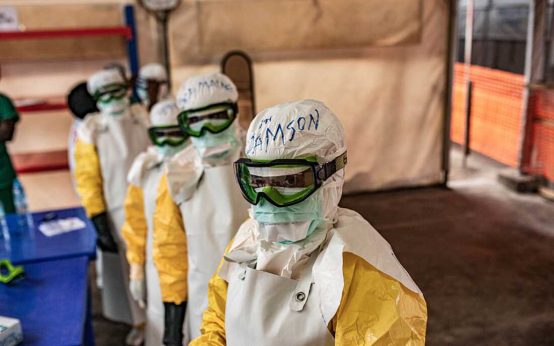 Ebola Outbreak in Africa: A Serious Concern
 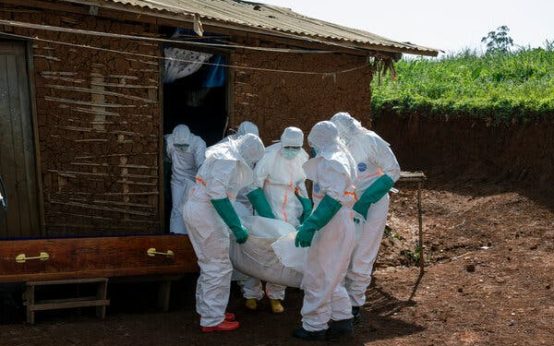 Gold and the Ebola Outbreak in Congo’s Mining Towns
  House Passes Bill for Veterans’ Benefit Increase
 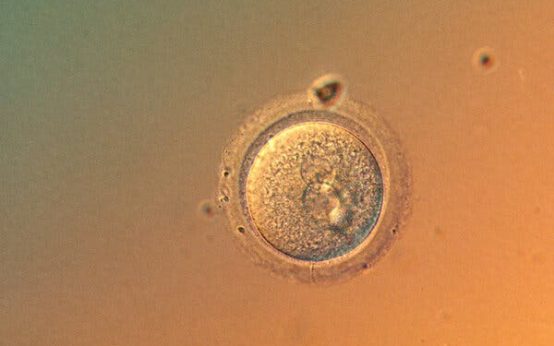 Gene Editing in Human Embryos at Columbia University
  Melinda French Gates Commits $215 Million for Global Women’s Health