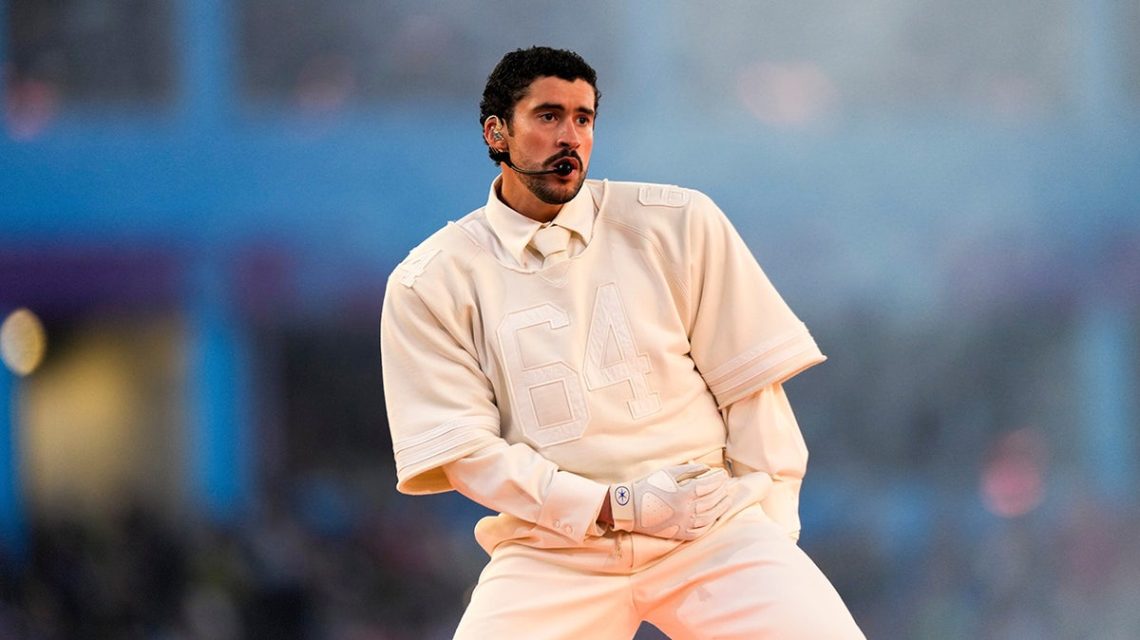
Bad Bunny’s Super Bowl halftime show has wrapped up, leaving many viewers divided and confused. The performance, which generated much excitement and controversy beforehand, largely failed to resonate with American audiences, apart from Bad Bunny’s core fanbase. While NFL Commissioner Roger Goodell initially claimed that the Puerto Rican singer would unite fans in a creative way, the outcome turned out to be quite the opposite.
Pre-Show Controversies and Rumors
The anticipation for Bad Bunny’s performance began with his appearance on “SNL,” where he urged viewers to “learn Spanish.” Although he later walked back the comment, the statement set the tone for the pre-game controversies. One such rumor included Bad Bunny donning a dress to honor Hispanic LGBTQ+ figures, which turned out to be unfounded.
The strategic marketing before the Super Bowl ensured Bad Bunny remained in the spotlight, whether the attention was positive or not. He managed to captivate audiences, even amidst the controversies.
Halftime Performance Highlights
The halftime show was a shorter version of the concerts he held during his Puerto Rico residency, featuring Puerto Rican-themed elements. It began with Bad Bunny walking through a sugar cane field, flanked by scenes typical of the island, such as a coconut water stand and domino table. His opening act, “Tití Me Preguntó (Auntie Asked Me),” transitioned into a medley of hits paying homage to ’90s and ’00s reggaeton hits.
The highlight for many was Lady Gaga’s surprise appearance, performing “Die With a Smile” with a salsa band, drawing in wider engagement from the audience.
Controversial Messages and Performances
The show proceeded with tracks like “Baile Inolvidable (Unforgettable Dance)” and “Nueva Yol (New York),” and featured a symbolic Grammy handover. Tensions arose when Ricky Martin sang the chorus of “Lo Que Le Pasó a Hawaii,” which included politically charged lyrics about protecting Puerto Rican autonomy.
Amid this, the show touched on political themes around Puerto Rico’s independence and identity issues. Despite the performance including no overtly anti-American messages, the subtext left some viewers unsettled.
Marketing Strategy vs. Viewer Reception
The NFL’s choice of Bad Bunny reflects their strategy to reach expanded markets, particularly in Latin America. While economically viable, this decision emphasized Latino identity in a way that some felt excluded parts of the American audience.
The narrative underscored Puerto Rican nationalism and the concept of a separate Latino identity. Many felt the halftime performance failed to unite audiences as promised but instead deepened divides over identity politics.
As the NFL looks ahead, it remains to be seen how they’ll balance global outreach with respecting their established fanbase in upcoming events.
Conclusion
Bad Bunny’s halftime show for Super Bowl LX has become a topic of discussion for its divisive presentation, steering the narrative towards cultural identity issues. The performance fell short of the unifying message promised by the NFL, prompting questions about the league’s future entertainment decisions, particularly as they expand into new markets.
 Mundelein Advances to State Championship Game
 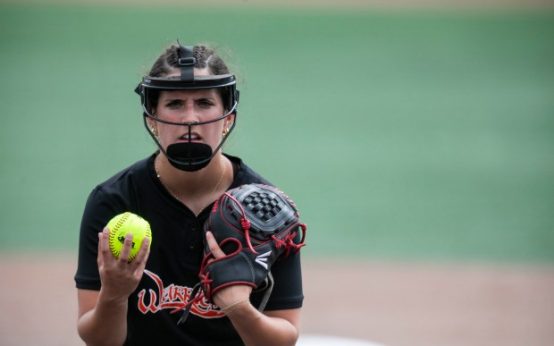 Lincoln-Way West Advances to State Final with a Key Victory
 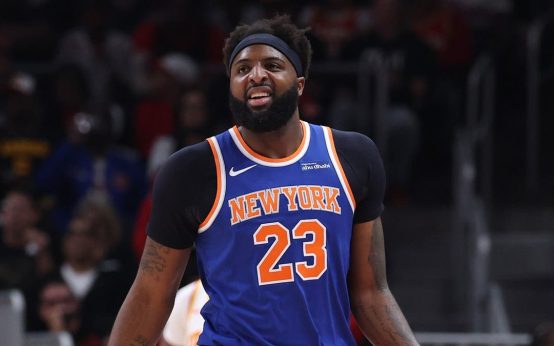 President Trump’s Attendance at NBA Finals Game Sparks Reactions
 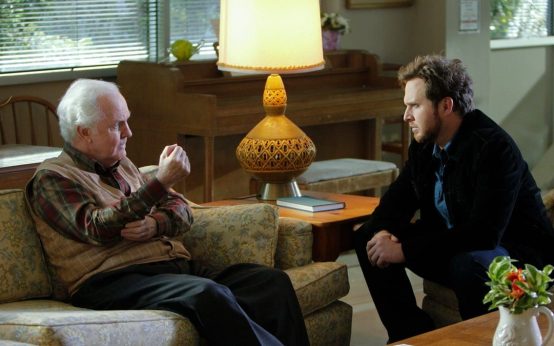 Son of James Handy’s Girlfriend Charged in Actor’s Murder
  Knicks Lead Spurs As Fourth Quarter Begins: A Playoff Showdown
  Knicks Maintain Lead With Strong Third Quarter Play