
In 2016, the autonomous vehicle industry was bustling with promises. Major investments were pouring into self-driving technologies. Ford notably predicted that by 2021 it would mass-produce self-driving cars for consumers. This prediction marked a period of frequent announcements, as noted by Alan Hall, a former Ford communications manager, who described the time as “insane with announcements”.
Despite this ambitious forecast, fully autonomous vehicles equipped with sensors are still not available for purchase. Robotaxis operate only in select cities, and self-driving trucks remain in pilot phases. Several companies which were key players in 2016 have since faced setbacks. Luminar, for example, declared bankruptcy in December of the previous year, while General Motors closed its robotaxi company, Cruise, in 2024 to focus on personal vehicles.
However, the innovations from the autonomous vehicle sector have found new life in other areas. Technologies like ground-penetrating radar, 3-D radar, and lidar, which stands for light detection and ranging, have been repurposed. These technologies now cater to a variety of needs, ranging from smart city systems and in-home elder care to managing large shipyard gantries and monitoring towering wind turbines. Additionally, they are enhancing robots and artificial intelligence systems.
Lidar is perhaps the most widely adopted among these technologies. It works by bouncing near-infrared light off objects to create three-dimensional representations of the environment. This capability is beneficial for traffic monitoring systems, offering an advantage over regular video cameras which struggle in extreme lighting conditions, such as very bright daylight or complete darkness.
 SpaceX Secures $920 Million Monthly Deal with Google
  Meta and YouTube Ordered to Pay Damages in Landmark Social Media Lawsuit
  60 Minutes Correspondents Decide to Stay Amid Crisis
  AI Impact: How AI Search is Transforming Professional Services and IT Budgets
 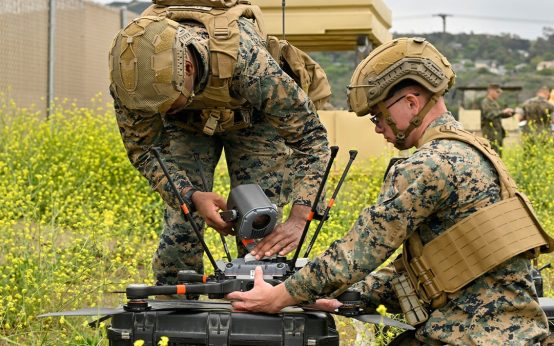 The Critical Role of Magnets in Modern Drone Warfare
 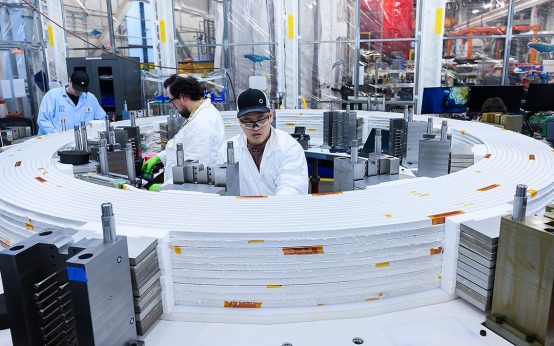 Rising Energy Demands Drive Innovative Solutions