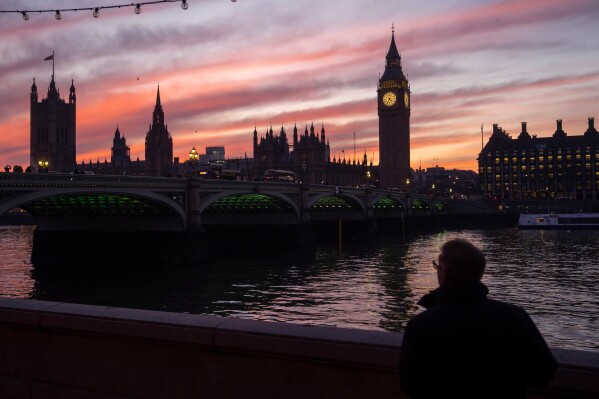
In New York, Long Island Rail Road (LIRR) workers began a strike early Saturday, according to union officials, bringing the busiest commuter railway system in North America to a halt. The unions, representing nearly half of the workers, initiated the strike following unresolved negotiations with the Metropolitan Transportation Authority (MTA) on Friday.
Five unions, representing around 3,500 of the 7,000 LIRR employees, including engineers, mechanics, and signal workers, are legally allowed to strike as of 12:01 AM Saturday. Kevin Sexton, the national vice president of the Brotherhood of Locomotive Engineers and Trainmen, stated no new negotiation talks have been scheduled. “We’re very far apart right now,” Sexton mentioned, expressing regret over the situation.
Janno Lieber, MTA chairman, claimed the agency offered unions everything they demanded regarding wages but believes unions intended to strike regardless. The strike is expected to affect nearly 250,000 daily commuters who rely on the LIRR to travel from Long Island suburbs to New York City. This could lead to heavier traffic on highways and longer commute times. Rob Udle, an electrician who commutes to Manhattan via LIRR, described the situation as a nightmare.
The strike also complicates access for sports fans heading to Manhattan for NBA playoffs featuring the New York Knicks or the MLB derby between the Yankees and the Mets. Governor Kathy Hochul urged LIRR users to work from home during the strike, while the MTA plans to provide free buses during peak hours on weekdays, focusing on essential workers.
In a statement, Hochul blamed union leaders for unnecessary dysfunction and loss of income for thousands of LIRR workers. She expressed her support for LIRR commuters and vowed to fight for the MTA’s long-term stability.
Dispute Over Wages
The union demands a 16% pay raise over four years, citing inflation and rising living costs. The MTA warned that the union’s wage demands could lead to fare increases. The authority agreed to a 9.5% raise over three years, with an effective 4.5% raise in the fourth year.
MTA’s chief negotiator, Gary Dellaverson, during a Wednesday press conference, said the difference between the two stances is not insurmountable. Nick Peluso, the national vice president of the Transportation Communications Union, questioned whether the MTA and Governor Hochul would create frustration and traffic jams for travelers, spend millions on buses during a strike, and lose revenue for a roughly one percent wage difference.
Commuters Brace for Impact
Susanne Alberto, a personal trainer from Long Island, has made plans to conduct virtual sessions with her Manhattan clients if the shutdown proceeds. She believes the union holds the advantage, predicting the MTA will eventually concede. Udle, the electrician, said he might use vacation days to avoid the commuting chaos if train service is suspended. A union member himself, he sympathizes with the cost of living concerns but disapproves of pressure tactics.
“I understand that living costs are rising,” Udle said while waiting at Penn Station, “but holding everyone hostage isn’t right. There has to be a better way.”
A strike was temporarily averted in September when the Trump administration assisted with negotiations, but efforts concluded without an agreement. Both sides had 60 days — ending at 12:01 AM Saturday — to resolve differences before the legal strike or worker lockout could proceed. The last LIRR strike occurred in 1994, lasting about two days. Commuter rail workers connecting Manhattan with New Jersey, New Jersey Transit, went on strike for three days last year.
 Judge Overturns Trump-Era Immigration Policies
  Lawsuits Against Federal Government Following Pennsylvania Rally Shooting
  New Jersey Struggles with Protests Near Immigration Detention Center
 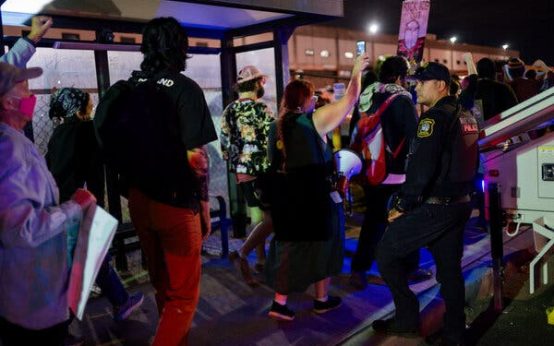 Newark Scales Back Police Presence at Detention Center Protests
 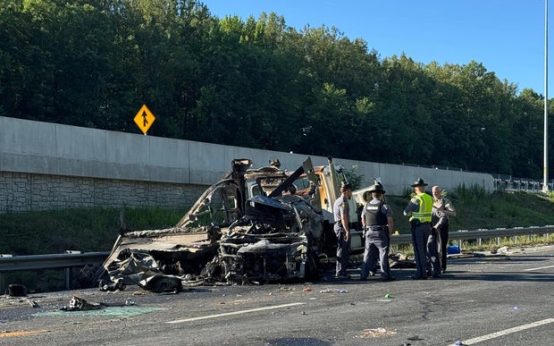 Investigation into Bus Company’s Network and Safety Violations
  Inflation’s Rise Challenges Economists’ Claims