Inflation in the United States is inching upward again, impacting American budgets. After a period of cooling in 2024 and 2025, inflation rate reached 3.8% in April, marking the highest level in three years. This increase affects the cost of essentials such as gas and groceries.
Economic Commentary
Larry Kudlow of Fox Business questioned Kevin Hassett, director of the National Economic Council, about the severity of inflation. Hassett claimed inflation is “on a deep downward dive,” emphasizing higher costs in states like New York and California. However, statistics show a different picture.
“Inflation is really out of control in the blue states. If you take out New York and California, the story is radically different. So these really high costs, high regulatory states are driving inflation as well.” – Kevin Hassett
The Facts
This claim by Hassett is inaccurate. Inflation is high across all nine regions defined by the Census Bureau. Rising gas prices due to Middle Eastern conflicts and increased airfares contribute to nationwide inflation, pushing up shipping and grocery costs as well.
Chief economist Omair Sharif from Inflation Insights stated, “Gas is going up in every state.” Hassett’s mention of a White House report suggested higher inflation in blue states. However, this report was based on outdated data. Since the onset of conflict in the Middle East, gas prices in the U.S. rose over 40%, nullifying earlier discrepancies in data.
Regional Inflation Differences
The Labor Department provides region-specific consumer price index data. For instance, the Pacific region, known for blue states, had a yearly inflation rate of 3.5% in April, below the national rate. The East South Central region, consisting of red states, had an inflation rate of 4.5%, higher than the national average.
While some red states show lower inflation than the national average, this region previously experienced inflation levels around 1%, revealing worsening conditions. Although blue states have higher overall prices, inflation calculates the rate of price increases, not absolute costs.
Core Inflation Insights
“It’s on a deep downward dive if you look at the trimmed mean or the core. It’s headed right towards the Fed’s target.” – Kevin Hassett
This statement by Hassett is misleading. Core inflation excludes volatile food and energy prices, yet it rose from an annual rate of 2.5% in January to 2.8% in April. Though lower than the headline figure, it is not declining sharply.
The Federal Reserve emphasizes core inflation. The personal consumption expenditures price index, another preferred gauge, showed a rise in core inflation to 3.3% in April. The trimmed mean gauge, which Hassett referenced, had a minor decline but is near the target.
Lorie Logan of the Dallas Fed cautioned about potential misinterpretations of the trimmed mean during inflation surges. The Cleveland Fed’s trimmed mean from consumer price index data also recorded an increase.
For further fact-checking information, visit AP Fact Checks.
 Investigation into Bus Company’s Network and Safety Violations
  Support Pours in for Airport Worker After Viral Video
  Father Shares Water Safety Lesson After Daughter’s Close Call
  Food Banks Struggle with Rising Fuel Costs Due to War in Iran
  US Postal Service’s Financial Future Secured for Now
 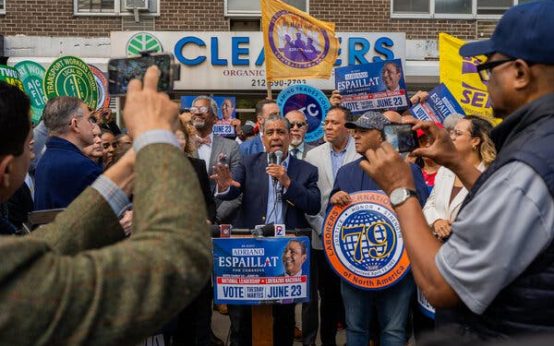 Espaillat Faces Challenge in Harlem