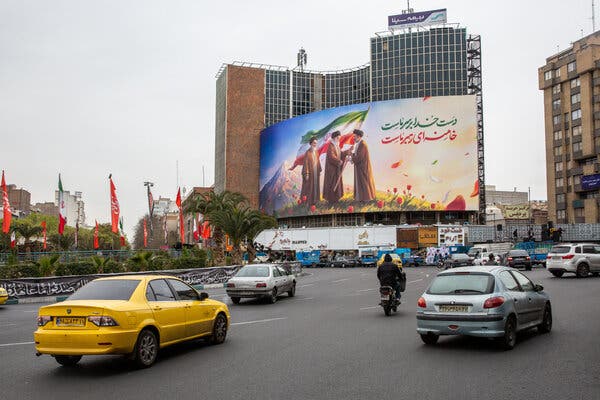
In Iran, decision-making is heavily influenced by a select group of individuals associated with the Islamic Revolutionary Guards Corps (IRGC). This group has a long-standing history of adopting hard-line positions.
A significant event occurred when Ayatollah Ali Khamenei, Iran’s supreme leader for 37 years, was killed on February 28 during an Israeli airstrike. He was succeeded by his son, Mojtaba. Despite taking over, Mojtaba’s influence has yet to match his late father’s.
Senior officials in Iran assert that Mojtaba, aged 56, oversees critical affairs. Experts argue, however, that decision-making involves more than one individual. A narrow group of elite leaders, mostly current or former senior commanders from the IRGC, guides these decisions.
This influential group is not acting as the IRGC organization but as a close-knit ‘band of brothers’. Their pivotal experience includes the Iran-Iraq war, which lasted from 1980 to 1988. This conflict, and the Western support for Iraq, fueled their belief in Iran’s self-reliance at any cost.
Post-war, many of these commanders took control of intelligence and security services. They reportedly maintain personal ties with Mojtaba Khamenei, stemming from years when he managed his father’s office.
These figures are recognized as some of the most hard-line in Iran. They are militant in promoting the Islamic revolution and endorse stringent methods in managing government repression.
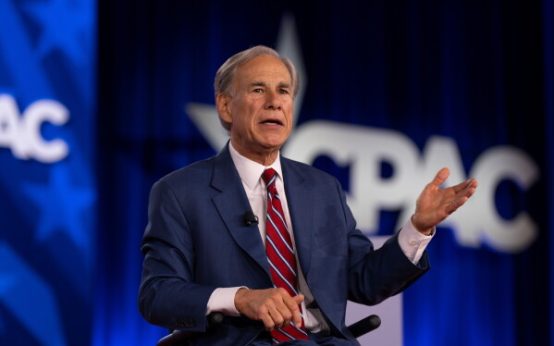 U.S. Military Awaits Pentagon’s Clarification on Troop Levels in Europe
 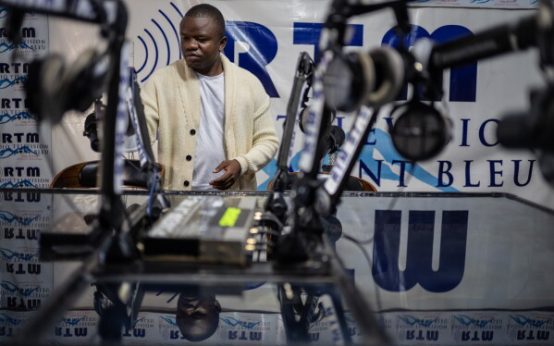 Potential Ebola Outbreak in Central Africa Raises Concerns of Rapid Spread
 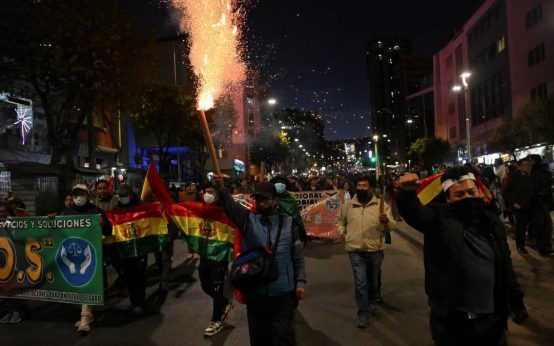 U.S. and Allies Condemn Efforts to Overthrow Bolivian Government
 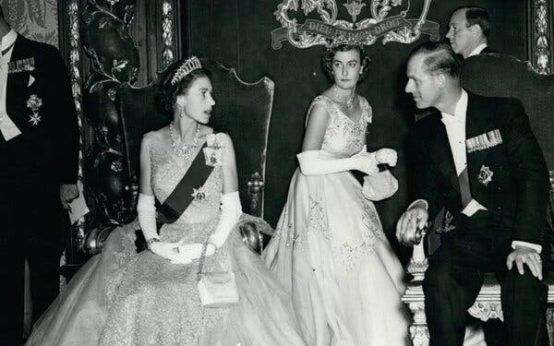 Pamela Hicks: Cousin, Bridesmaid, and Witness to History
  Latin American Deportees in Congo: Return to Home Countries Amid Challenges
  Controversy Surrounds Stabbing Incident of British Student