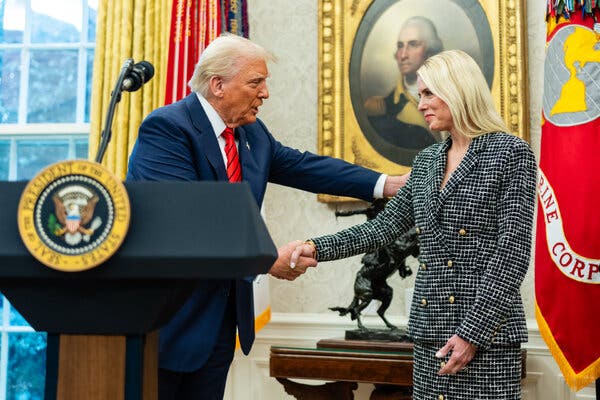
The establishment of a $1.8 billion fund by the Trump administration has drawn significant legal scrutiny. The fund aims to compensate individuals claiming mistreatment by the federal government. Legal experts argue that it violates long-established Justice Department norms and a specific directive from the previous year.
On her first day as attorney general in February 2025, Pam Bondi issued a directive seemingly prohibiting the creation of such funds. Despite this, Todd Blanche, the acting attorney general, defended the fund in a recent Senate hearing. He described the fund as unusual but appropriate, comparing it to previous settlements.
Critics point to a provision offering President Trump, his sons Eric and Donald Trump Jr., and the Trump Organization immunity from tax penalties. Jennifer Ricketts, a former Justice Department branch director, expressed concern. She described the decision to grant blanket immunity as corrupt and a surprising gift to the president.
Additionally, the fund conflicts with a policy from Bondi’s tenure, which restricted payments to groups not involved in lawsuits. Although a lawsuit led to the establishment of the fund, it also allocates more than a billion dollars to unrelated groups. This raises questions about oversight, as the president’s lawyers negotiated the deal with his administration without a judge’s approval.
The Justice Department has not commented on the matter, fueling ongoing debates regarding the fund’s legality and fairness.
 Federal Judge Overturns Trump-Era Immigration Policy
 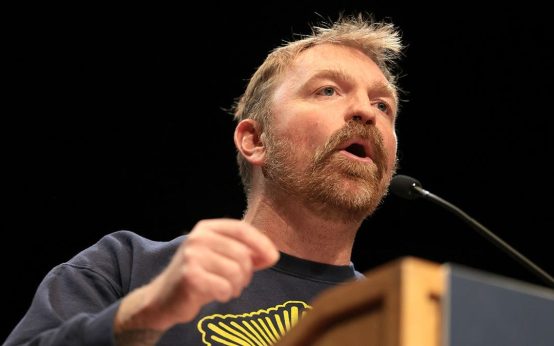 Controversies Challenge Graham Platner’s Senate Campaign in Maine
 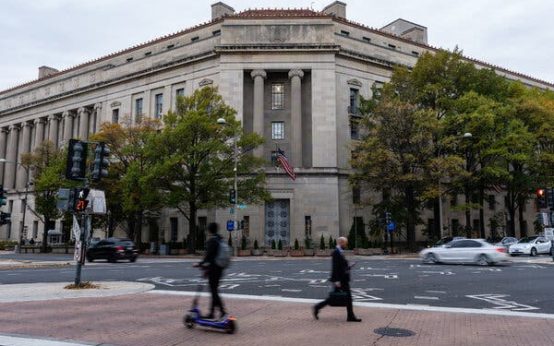 Justice Department Withdraws Plan for $1.8 Billion Fund
  Democratic Concerns Grow Ahead of Maine Senate Primary
  Latin American Deportees in Congo: Return to Home Countries Amid Challenges
 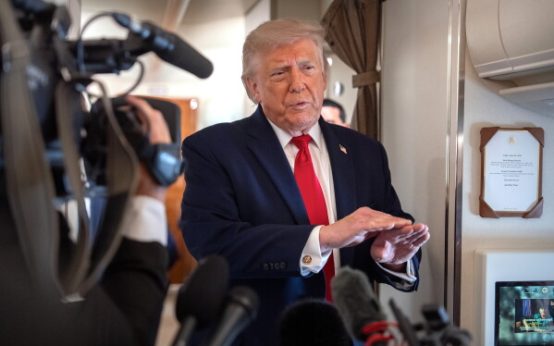 Federal Judge Invalidates Trump-Era Immigration Policy