Introduction to the Fund
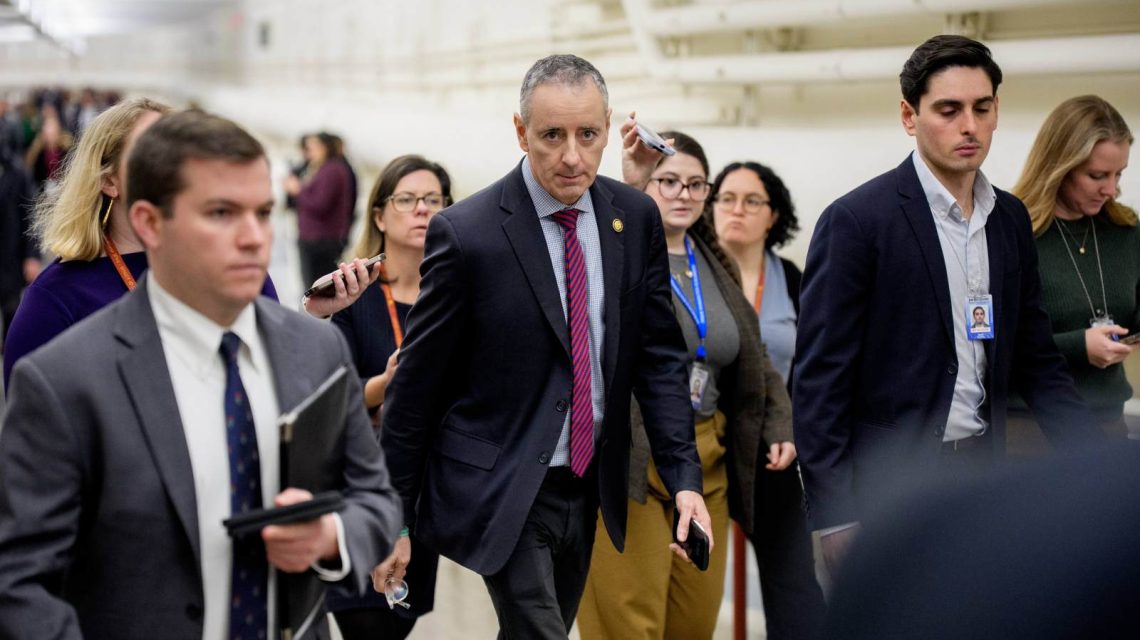
Representative Brian Fitzpatrick has expressed strong opposition to a $1.776 billion anti-weaponization fund announced by President Donald Trump’s Department of Justice (DOJ). This fund has become a focal point on Capitol Hill, drawing criticism from both sides of the political spectrum.
Fitzpatrick’s Stance
Fitzpatrick, a centrist representing a Pennsylvania swing district, has threatened to “kill” the fund. He stated, “We’re going to try to kill it,” in response to queries about the fund. Fitzpatrick emphasized considering legislative options and addressing his concerns through a letter to the Attorney General.
Fitzpatrick outlined the need for transparency, oversight, and legal authority in a letter to acting Attorney General Todd Blanche. He questioned the fund’s legal purpose and whether it aligns with historical precedents.
Details of the Anti-Weaponization Fund
The DOJ released a statement describing the fund as a mechanism to address claims of weaponization and lawfare. It allows for formal apologies and monetary relief without partisan requirements. The fund’s finances are rooted in a judgment fund related to an IRS lawsuit.
Blanche defended the fund, highlighting its lawful process for addressing claims of weaponization. He noted its scope isn’t limited by party affiliation or specific events.
Bipartisan Criticism
Bipartisan criticism has surged around this fund. Senate Majority Leader John Thune and Republican Senator Bill Cassidy have openly opposed it. Cassidy connected the fund to broader fiscal concerns, emphasizing the strain on taxpayers.
Democrat opposition characterized the fund as potentially corrupt. Concerns about improper claims and distribution to Trump aides drew sharp rebuke from figures like Senator Patty Murray.
Legal Challenges
Legal opposition has emerged. Officers from the U.S. Capitol Police and Metropolitan Police Department filed lawsuits, fearing that the fund would reward individuals like the Proud Boys. House Democrats, including Jamie Raskin, described the fund as fraudulent, reflecting significant dissent within Congress.
Raskin’s statement condemned the fund as a tool for redirecting taxpayer money to those involved in the January 6th attack, labeling such actions as highway robbery.
 Judge Overturns Trump-Era Immigration Policies
  Trump Aims to Reduce National Intelligence Office Size
  California Primary Election 2026: Key Races and Emerging Results
 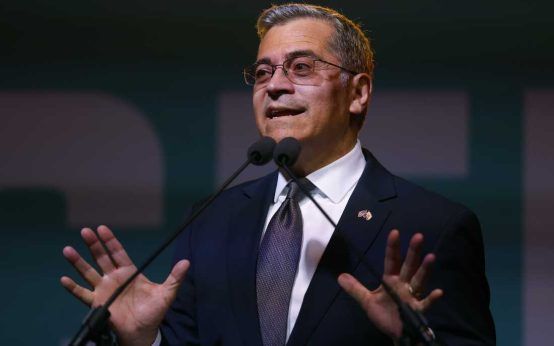 Xavier Becerra Advances in California Governor Race
 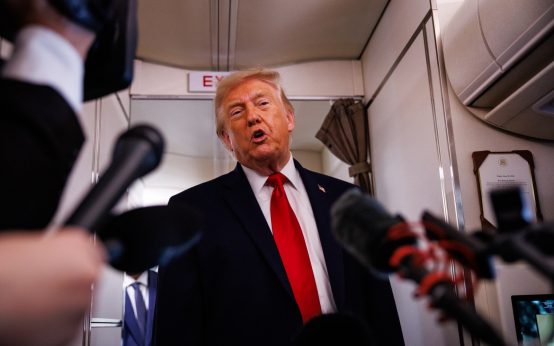 Trump Criticizes Senator Tillis Amid Nomination Discussions
 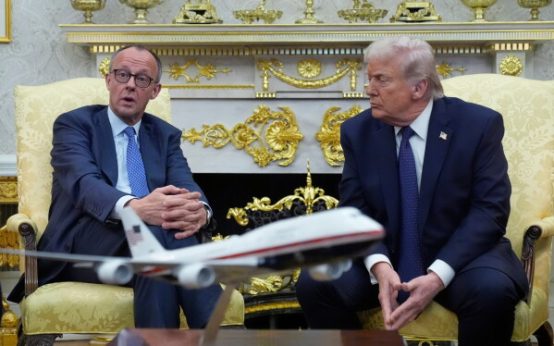 Clarity Sought on U.S. Troop Levels in Europe Amid Policy Changes