
The midterm elections are approaching, and one of the emerging discussions in American tax policy might not revolve around billionaires or real estate moguls. Instead, it could focus on a minor tax that many Americans barely notice: the 0.9% Medicare surtax, introduced as part of the Affordable Care Act in 2013. This surtax helps fund Medicare, which is increasingly critical given its growing fiscal burden.
Many families only become aware of this tax when filing their returns. Voters view it as a tax on wealth, but it often impacts upper middle-class earners more than expected. For couples with a combined income exceeding $250,000 and individuals earning over $200,000, this tax kicks in. For instance, a couple making $400,000 a year will face the surtax on $150,000 of surplus income, resulting in an additional $1,350 tax bill.
Employers only start withholding the extra tax when an individual’s income surpasses $200,000. This creates a surprise when two-income households exceed the thresholds but neither spouse individually meets the criteria for automatic withholding. An example would be a couple with one spouse earning $180,000 and another earning $150,000. Combined, their income reaches $330,000, which falls above the $250,000 threshold for married couples.
Politically, the stealthy nature of the tax makes it attractive. It’s less visible than Social Security taxes, which are clearly itemized in paychecks. Yet, multiple small hidden taxes can add up over time. The government faces an ongoing need to secure substantial funds, and increasing the Medicare surtax is an easier political sell than reducing Medicare benefits.
The top earners already carry most of the federal tax burden. As Washington continues looking for ways to fund essential programs, the same strategy often emerges: finding avenues to tax the wealthy. However, ‘wealthy’ soon includes dual-income households, business owners, entrepreneurs, and families living in expensive urban areas, who may not feel rich.
The tax may expand as voters show tolerance for these ‘small hidden taxes.’ Awareness is crucial, as this tax affects more people and larger parts of the economy than initially perceived.
 Khanna Urges Apology from Maine Senate Candidate Over Misconduct Allegations
 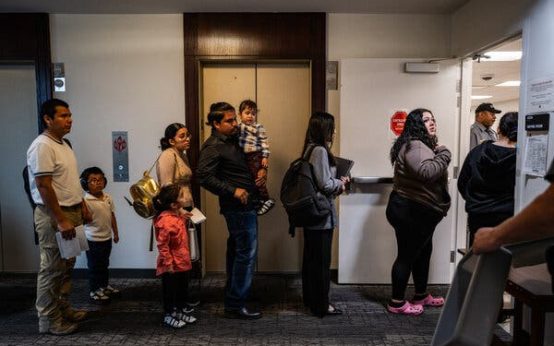 Judge Overturns Trump-Era Immigration Policies
  Trump Aims to Reduce National Intelligence Office Size
 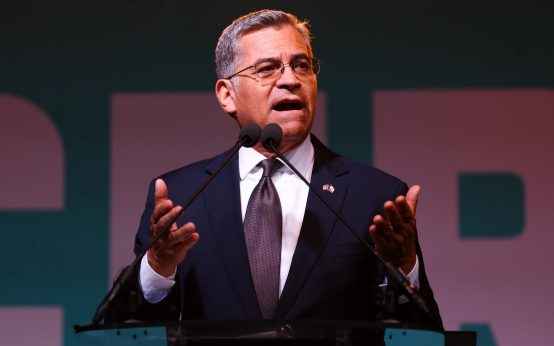 California Primary Election 2026: Key Races and Emerging Results
 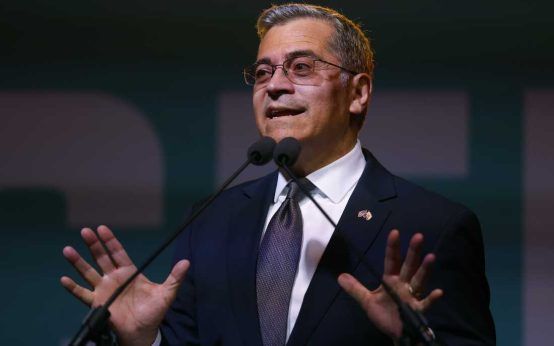 Xavier Becerra Advances in California Governor Race
 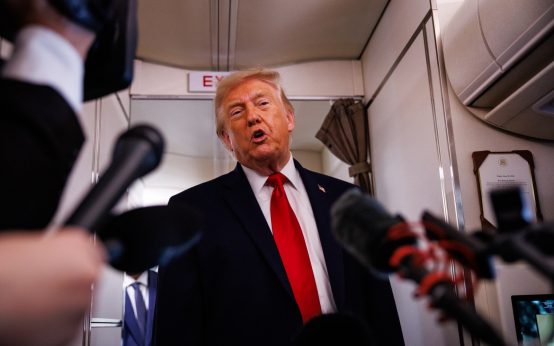 Trump Criticizes Senator Tillis Amid Nomination Discussions