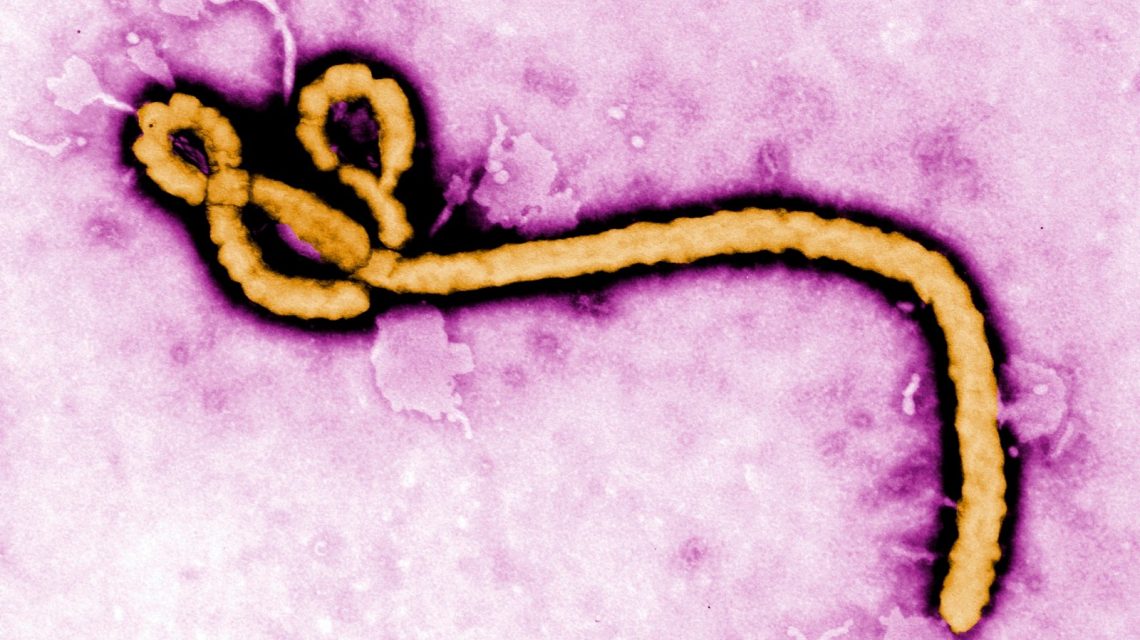
Americans at Risk Due to Ebola Exposure in DRC and Uganda
Recent developments have spotlighted Ebola after a few Americans were potentially exposed in the Democratic Republic of Congo (DRC) and Uganda. As the World Health Organization (WHO) declares a public health emergency, U.S. health officials are withdrawing those impacted.
The outbreak in the DRC includes 10 confirmed cases and 336 suspected, with 88 fatalities. Uganda reports two cases and one death. Although the Centers for Disease Control and Prevention (CDC) assesses the risk to Americans as low, the outbreak’s fatality rates are significant, ranging from 25% to 50%.
This situation follows a hantavirus outbreak aboard the MV Hondius cruise ship, with 41 Americans potentially exposed.
Ebola vs. Hantavirus: Transmission and Risk
Ebola and hantavirus are severe viral diseases but differ in transmission. Ebola spreads through contact with bodily fluids, necessitating strict containment to prevent rapid escalation.
Conversely, hantavirus is transmitted via contact with infected rodents. Its human-to-human spread is minimal. Typically, environmental exposure is the primary cause of hantavirus cases.
Virus Transmission
Humans generally contract these viruses through close contact with infected animals. Hantavirus spreads through contact with infected rodents’ urine, droppings, or saliva. Ebola infects through contact with blood, secretions, or organs of animals like fruit bats or monkeys.
Both viruses can spread between humans, but hantavirus transmission among humans is poorly documented. Ebola can transmit among humans via direct contact with infected fluids.
Comparative Fatality Rates
Ebola and hantavirus both have high fatality rates. Hantavirus can lead to hantavirus cardiopulmonary syndrome, with a 50% fatality rate. Ebola’s fatality rates range from 25% to 90%, attributed to its human transmission potential during outbreaks.
Comparing Symptoms
Shared initial symptoms include fever, headache, and muscle aches. Hantavirus may cause gastrointestinal symptoms like nausea and vomiting. Ebola symptoms can be more severe, including fever, fatigue, and organ dysfunction.
Symptom Onset
Hantavirus symptoms can take from one to eight weeks to manifest. Ebola symptoms emerge faster, typically between two and 21 days post-exposure.
Current Risk Level for Americans
No Ebola cases from this outbreak have appeared in the U.S., but the CDC remains vigilant. The agency supports response efforts, such as contact tracing and monitoring travelers at border crossings.
Travel warnings have been issued for affected areas, underscoring limited U.S. assistance in some regions. The CDC urges travelers to be alert for symptoms, emphasizing the risk connected with travel or direct contact.
Lawrence Gostin, a professor at Georgetown University, states the Ebola outbreak likelihood in the U.S. is low but present. He highlights fewer public health resources and travel hubs pose risks. Dr. Paul Spiegel from Johns Hopkins mentions the outbreak, driven by the Bundibugyo strain, spreads through fluid contact and is contained by experienced health officials.
Global Attention to Ebola Outbreaks
Ebola outbreaks prompt global concern due to rapid spread potential, especially in areas with inadequate healthcare. Intensive measures are required to control them, such as isolation and protective protocols.
These situations receive significant attention not only for immediate risk but for potential cross-border spread, primarily when travel is a factor.
Historical Ebola Outbreaks
Ebola has caused numerous African outbreaks over decades, some evolving into major public health emergencies. While isolated cases outside Africa exist, sustained transmission has mostly stayed within the continent.
 Mount Sinai Health System Faces Subpoena on Gender-related Care
  Potential Ebola Outbreak in Central Africa Raises Concerns of Rapid Spread
  Researchers Escorted Out of Diabetes Conference for Criticizing Trump Administration
  Ebola Outbreak in Africa: A Serious Concern
  Gold and the Ebola Outbreak in Congo’s Mining Towns
  House Passes Bill for Veterans’ Benefit Increase