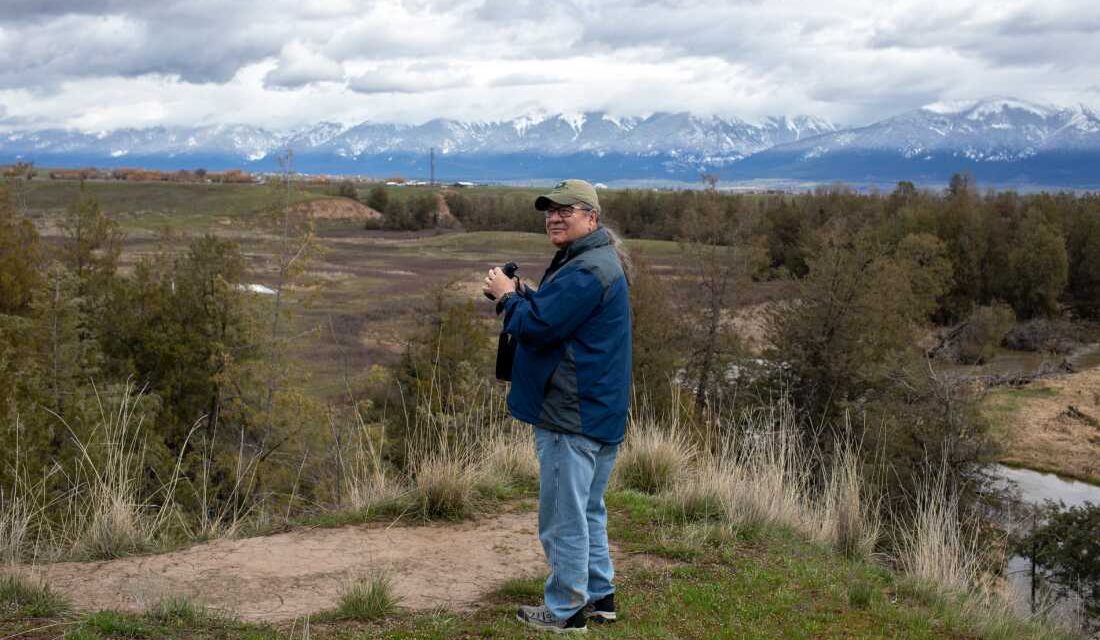
Mike Durglo Jr. has committed his life to preparing for climate change. As the Confederated Salish and Kootenai Tribes’ climate change coordinator, he wrote one of the first tribal climate action plans over 15 years ago.
On a spring morning, Durglo remarked upon the landscape of the Flathead Indian Reservation, where his ancestors have lived for centuries. Nearby, a lone whitebark pine stands resilient amidst the snow, symbolizing hope despite warmer temperatures and other challenges.
Montana experienced a record-breaking warm spring as snowpack diminished. Warmer temperatures, beetle outbreaks, and an invasive fungus have halved the population of sacred trees since the 1990s. Yet, the tribes are restoring whitebark pines by harvesting cones from healthy trees.
The Confederated Salish and Kootenai Tribes work to propagate whitebark pine trees at the Forestry Nursery. These efforts are part of broader initiatives to stave off drought and wildfires.
Durglo has served as climate change coordinator for nearly two decades, writing plans to reduce emissions and adapt to warming. The tribes continue these efforts as sovereign nations even when state and federal actions lag.
Durglo’s climate plan integrates Traditional Ecological Knowledge, tackling issues like longer wildfire seasons and shrinking snowpack. This holistic approach considers impacts on people, forestry, water, air, and wildlife.
Durglo has shared successes with other tribes and led climate planning workshops across the region. The tribes work to restore grassland ecosystems at the National Bison Range, aiming for a balance that bison populations once maintained. Bison grazing promotes plant diversity, crucial for ecosystem health.
Durglo’s initiatives include training on DIY air filters and efforts to restore native fish populations. The advisory committee updates climate action plans every three years, focusing on new challenges like wildfire smoke. Air quality sensors measure real-time data across the reservation.
Collaboration is vital, as evidenced by Durglo’s work with the Blackfeet Nation. Federal funds for climate initiatives may be unpredictable, but knowledge and collaborations drive resilience.
Durglo pursues private grants for projects amid federal funding cuts, maintaining efforts to share successful strategies broadly. He envisions future generations acknowledging his work on climate adaptation.
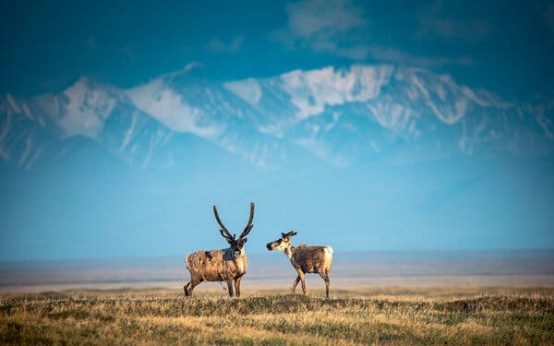 Limited Interest in Arctic National Wildlife Refuge Oil Auction
 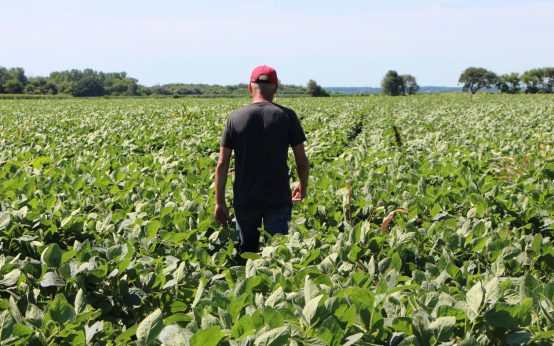 Confronting the Truth Behind Sustainability Buzzwords in the Food Industry
 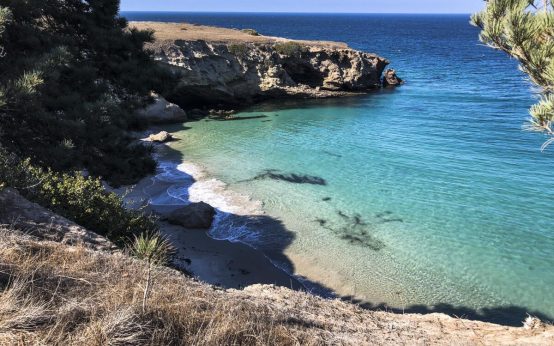 The Aftermath of Santa Rosa Island’s Fire
  Largest Seizure of Illegal Cockroaches in Australia
 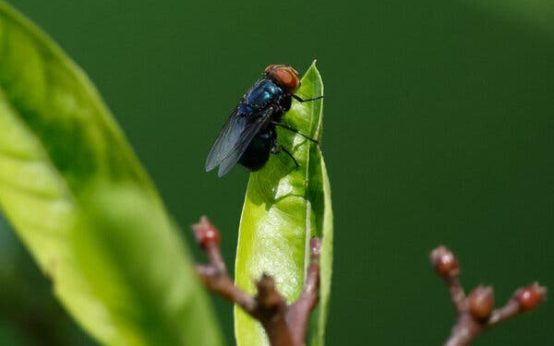 Flesh-Eating Fly Returns to the United States Causing Concern
 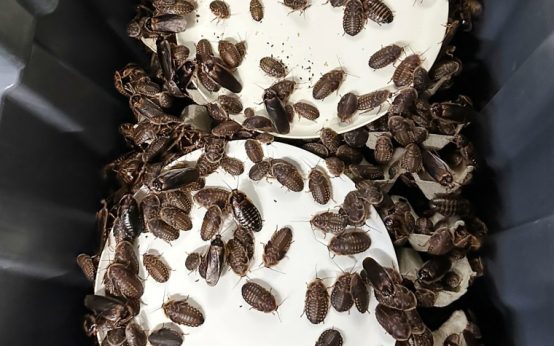 Australia’s Largest Seizure of Exotic Invertebrates: Over 100,000 Cockroaches Confiscated