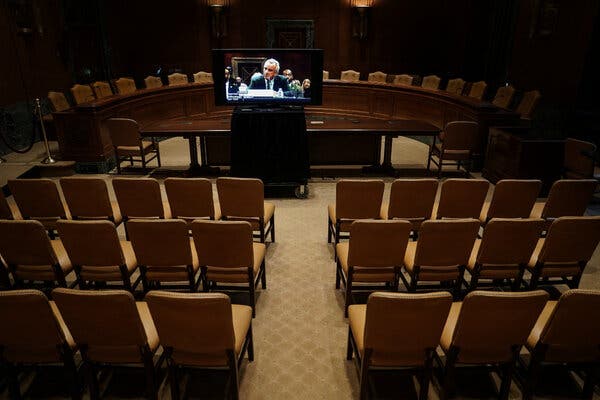
Last week, Health Secretary Robert F. Kennedy Jr. made a controversial decision by removing the leaders of the U.S. Preventive Services Task Force. This expert panel’s recommendations are pivotal for preventive measures like cancer screenings, influencing services for millions of Americans. The dismissal came with limited explanation, only noting that it aimed to ‘protect the integrity of the task force’s work.’
Dr. Michael Silverstein, who had served as the task force chair until March, left as scheduled at the end of his term. His colleague, Dr. John Wong, was one of the individuals dismissed. Both had anticipated such a move since the Supreme Court’s decision, which allowed health secretaries greater power to remove task force members.
Mr. Kennedy’s actions have been concerning. He postponed all scheduled meetings, blocked new topics, and suppressed new guidelines. This included essential recommendations on cervical cancer screening. He criticized the task force as ‘lackadaisical and negligent.’
This is not Mr. Kennedy’s first instance of removing health experts without cause, raising concerns about political interference in a supposedly independent health advisory panel. The repercussions could be significant. The task force plays a crucial role in establishing what type of counseling, screenings, and medications doctors recommend, as well as what insurance covers with no co-pay for patients. Recommended screenings for cancers such as cervical, colon, and lung cancer help save tens of thousands of lives annually.
There is a fear that a task force influenced by politics might revoke evidence-based recommendations or introduce unproven, potentially harmful prevention strategies. Mr. Kennedy has previously promoted questionable treatments for disorders like autism. There is a possibility of pushing for prevention methods that align with his views on dietary supplements or red meat consumption, potentially benefiting financial interests within his network.
Traditionally, the task force is composed of 16 unpaid experts with a background in primary care. Recently, vacancies increased as members completed their terms, and Mr. Kennedy did not promptly appoint replacements. With the latest dismissals, there are now eight vacant positions. Only recently has Mr. Kennedy started addressing these vacancies by nominating new members.
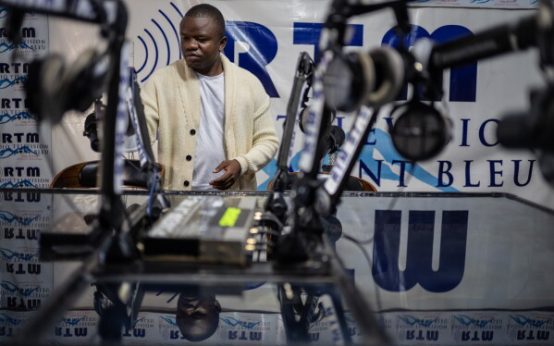 Potential Ebola Outbreak in Central Africa Raises Concerns of Rapid Spread
  Researchers Escorted Out of Diabetes Conference for Criticizing Trump Administration
 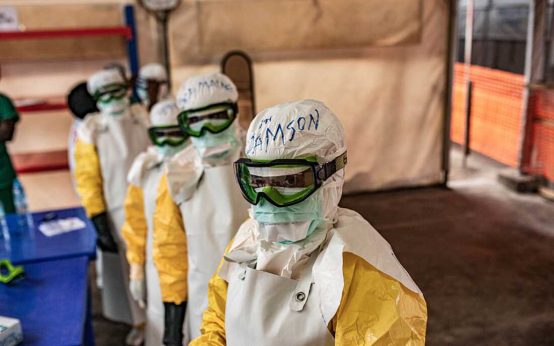 Ebola Outbreak in Africa: A Serious Concern
 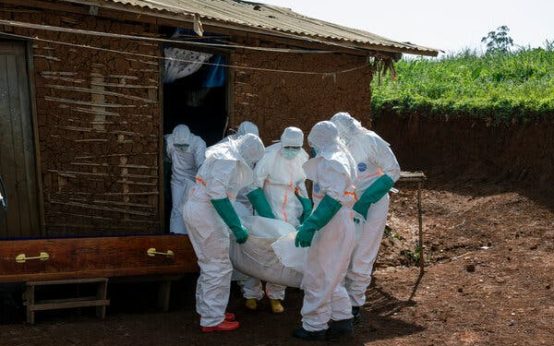 Gold and the Ebola Outbreak in Congo’s Mining Towns
  House Passes Bill for Veterans’ Benefit Increase
 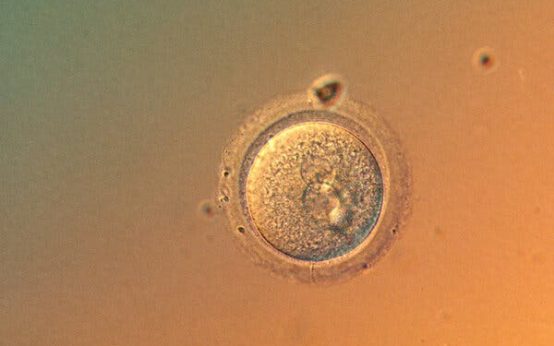 Gene Editing in Human Embryos at Columbia University