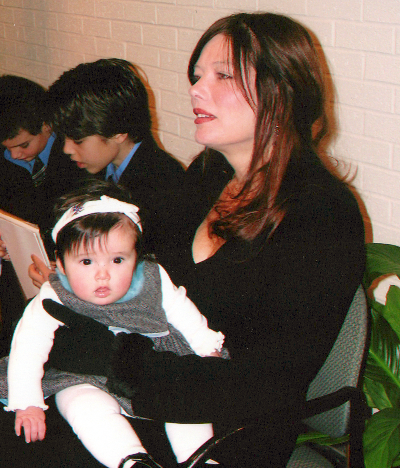
Lucia Adarve, now 18, has faced more medical challenges than many encounter in a lifetime. Issues plagued her from birth, causing missed milestones, seizures, collapses, concussions, and difficulties with communication and academics. Her mother, Lisa, embarked on a quest to uncover the root of these problems, navigating numerous diagnoses like epilepsy, lupus, fibromyalgia, ADHD, and dyslexia. None fully matched her symptoms; treatments offered little relief.
Lisa’s determination to uncover Lucia’s true ailment drove her to homeschool Lucia from third grade, blending standard subjects with unique activities like knitting to enhance motor skills and horseback riding for balance. Despite a supportive family, Lucia faced fainting spells, sometimes leading to anemia and concussions.
“Doctors didn’t listen,” Lucia expressed, preferring her service dog’s companionship over medical visits.
In 2025, a visit to Dr. Todd Arthur at Cincinnati Children’s Hospital brought hope. His dedication led to a referral to the Cleveland Clinic’s Undiagnosed Disease Clinic, aiming to tackle complex conditions with whole genome sequencing. After extensive evaluations, Lucia received a diagnosis: PPP2R5D-associated neurodevelopmental disorder, known as Jordan syndrome, affecting less than 500 globally.
Dr. Wendy Chung explains that Jordan syndrome may manifest through enlarged heads, facial features, developmental challenges like movement, speech, reading, or writing difficulties, seizures, autism, ADHD, and potentially Parkinson-like symptoms with age.
Lisa shared her relief: “Knowing the diagnosis affirmed my instincts about Lucia’s condition.” Lucia experienced mixed emotions, grappling with the prolonged journey to a diagnosis.
Dr. Adnan Alsadah emphasized that having a diagnosis provided clarity and a management plan. Medications reduced Lucia’s seizures, while she engaged with advocacy groups and clinical trials exploring treatments.
Lucia’s regained confidence in self-advocacy contributed to rediscovering her childhood personality. Pursuing criminal behavioral psychology, she remains one of the few Jordan syndrome patients managing independently, attributing her success to her mother’s unwavering support.
“I was lucky to have my mom,” Lucia reflected. “She’s an amazing person who cares deeply.”
 Mount Sinai Health System Faces Subpoena on Gender-related Care
  Potential Ebola Outbreak in Central Africa Raises Concerns of Rapid Spread
  Researchers Escorted Out of Diabetes Conference for Criticizing Trump Administration
 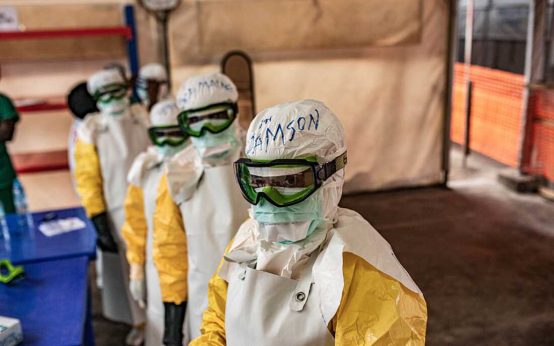 Ebola Outbreak in Africa: A Serious Concern
 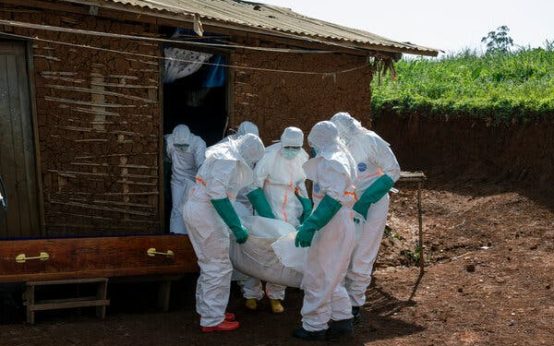 Gold and the Ebola Outbreak in Congo’s Mining Towns
  House Passes Bill for Veterans’ Benefit Increase