
New research highlights a potential link between your biological age and the risk of developing dementia. The study, published by the Alzheimer’s Association, examined how your biological age, indicated by blood tests, relates to dementia risk. Researchers analyzed data from over 223,000 participants in the UK Biobank.
Key Findings
The study found a significant correlation between biological age and dementia risk. Biological age, measured by the MileAge delta (the difference between metabolite-predicted age and actual age), showed that a higher MileAge delta corresponded with increased dementia risk. This included various types of dementia, with a particularly strong link to vascular dementia.
“Those with a higher MileAge delta and genetic risks had a tenfold increase in all-cause dementia risk,” said Dr. Julian Mutz, co-author of the study and a research fellow at King’s College London.
Understanding Risk Factors
The research indicates that combining high genetic risk factors, like the APOE gene associated with Alzheimer’s, with higher biological aging markers, greatly increases dementia risk. Dr. Mutz emphasized the importance of diet and lifestyle in managing these risks, noting that metabolomic aging could be modifiable through these factors, unlike genetic predispositions.
Dr. Marc Siegel reiterated the value of healthspan focus and its potential impact on dementia outcomes. Chronic illnesses like heart disease and obesity, especially in individuals with the APOE gene, add to this risk.
Considerations and Limitations
It’s important to note the study’s limitations. The observational nature means it cannot establish causation between biological age and dementia risk. Additionally, the participant pool, predominantly of European ancestry, might not fully represent the global population. The reliance on a single blood measurement also limits the ability to observe changes in biological aging over time.
The need for further validation of the MileAge biomarker is crucial before any clinical application. Diverse study participation could enhance the understanding of biological aging across populations. Nevertheless, these findings offer promising insights into potentially modifiable factors affecting dementia risk.
 Researchers Escorted Out of Diabetes Conference for Criticizing Trump Administration
  Ebola Outbreak in Africa: A Serious Concern
  Gold and the Ebola Outbreak in Congo’s Mining Towns
  House Passes Bill for Veterans’ Benefit Increase
 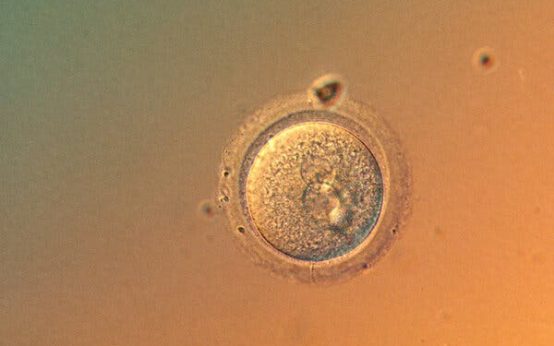 Gene Editing in Human Embryos at Columbia University
  Melinda French Gates Commits $215 Million for Global Women’s Health