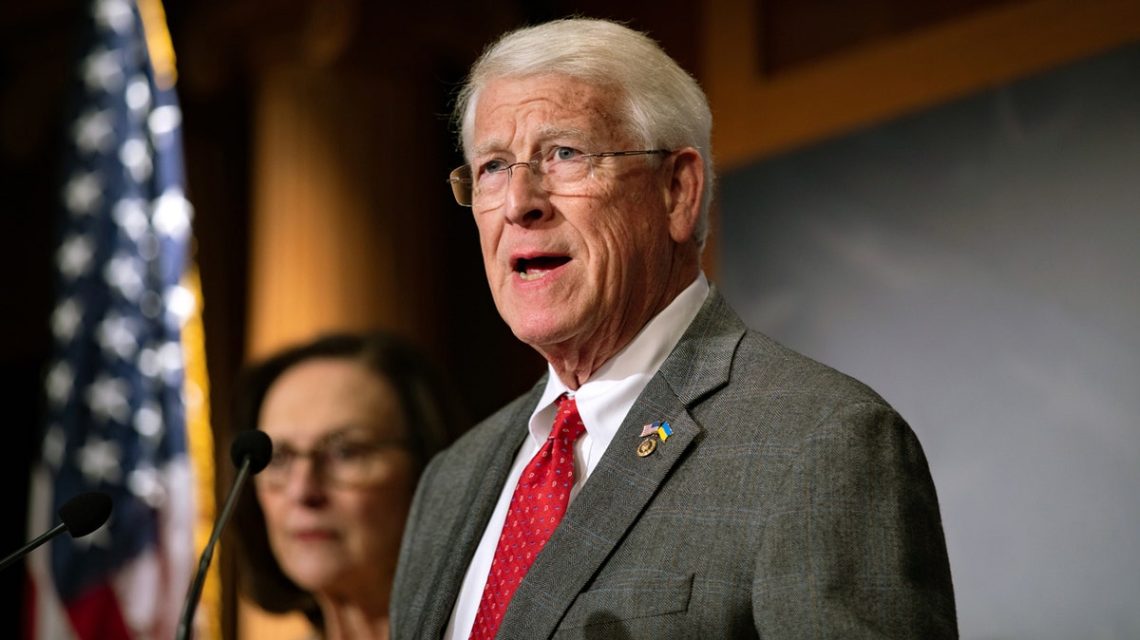
A prominent Senate Republican is urging President Donald Trump to avoid a weak agreement with Iran as talks between the U.S. and Tehran are gaining traction. Senator Roger Wicker, chairman of the Senate Armed Services Committee, recently issued a public statement urging the president to maintain military pressure on Iran instead of opting for diplomacy.
“We are at a moment that will define President Trump’s legacy,” said Wicker. “His instincts have been to complete the mission in Iran. However, he is being advised to pursue an agreement that isn’t worth pursuing.”
Wicker emphasized the importance of allowing American forces to continue their campaign against Iran’s conventional military capabilities and warned that negotiations could project an image of weakness. Wicker stated that action is needed to complete the initial objectives.
Tensions are rising within Republican national security circles as Trump’s administration deliberates whether to continue its military efforts against Iran’s nuclear assets or pursue a deal with Tehran. A White House representative reiterated that Iran will not be permitted to develop nuclear weapons.
The official asserted that Trump prefers diplomatic solutions but remains clear about the consequences if Iran does not agree to terms that benefit the American people. The president has time to negotiate the best possible outcome thanks to prior military and economic operations.
Secretary of State Marco Rubio confirmed that negotiations with Iran have made progress, though an agreement has yet to be finalized. Rubio noted that concerns remain regarding Iran’s stock of enriched uranium and the nation’s future capacity for enrichment under any prospective deal.
He highlighted the importance of addressing the uranium issue and discussing the Strait of Hormuz as part of the ongoing negotiations. Rubio’s comments signify that diplomatic engagement with Iran continues despite recent military escalations and regional tensions.
President Trump has indicated willingness to delay further military action in hope of a diplomatic resolution. Trump mentioned during recent discussions that postponing action to prevent war and save lives is beneficial.
The administration’s diplomatic endeavor coincides with intensified mediation efforts in the region, including Pakistan’s army chief visiting Iran. This visit is seen as part of indirect efforts to ease tensions between the U.S. and Iran. Speculation arises that Pakistan might be quietly assisting in negotiations to prevent additional military escalation.
Nevertheless, Rubio cautioned that these negotiations remain precarious and could potentially break down. He affirmed that Trump has alternatives if diplomacy fails, but stressed that the president favors a negotiated solution that is advantageous for the U.S.
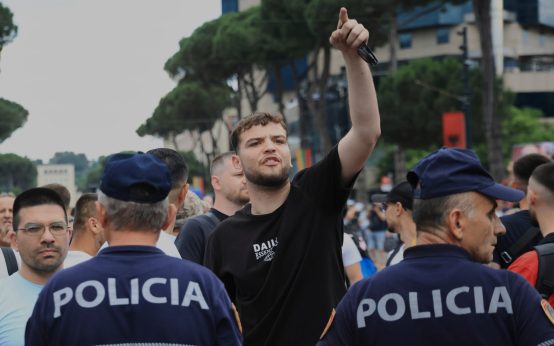 Protests Erupt in Albania Over Resort Development
 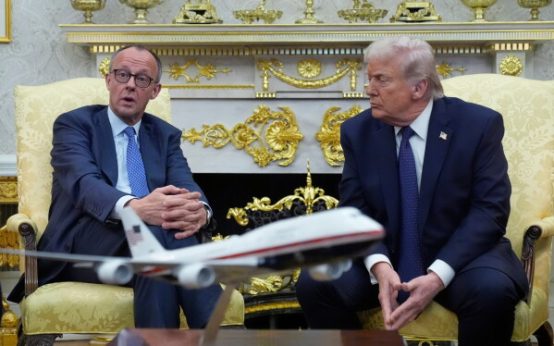 Clarity Sought on U.S. Troop Levels in Europe Amid Policy Changes
 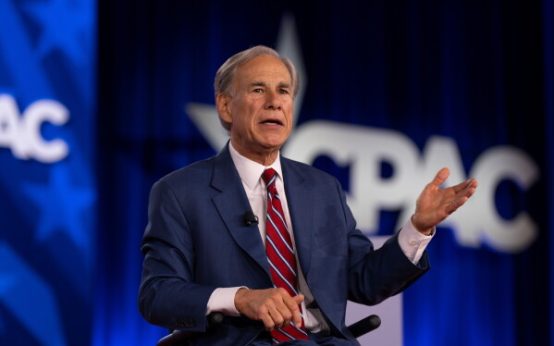 U.S. Military Awaits Pentagon’s Clarification on Troop Levels in Europe
 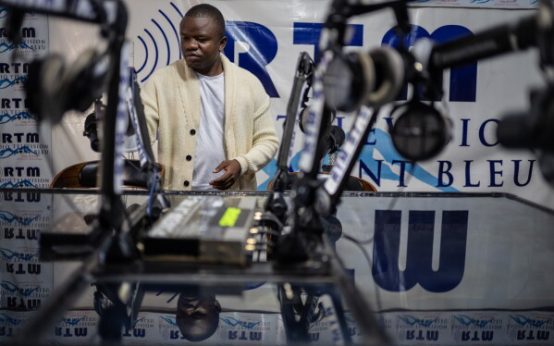 Potential Ebola Outbreak in Central Africa Raises Concerns of Rapid Spread
 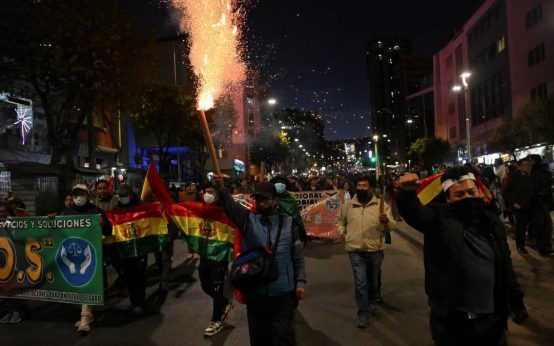 U.S. and Allies Condemn Efforts to Overthrow Bolivian Government
  Pamela Hicks: Cousin, Bridesmaid, and Witness to History