
President Donald Trump currently holds a 53-47 Republican Senate majority. However, his efforts to unseat Republican senators who opposed him have backfired, sparking a rebellion among GOP lawmakers. This revolt threatens his ability to pass legislation, as several senators refuse to support his priorities.
Four Republican senators have defied the administration on major issues, posing a threat to Trump’s legislative success in the last two years before the midterm elections. The slim Senate majority leaves little margin for error, and any small disagreement can obstruct significant legislation. This forces Republican leaders to reconsider or abandon sections of Trump’s agenda.
Senate Republicans Oppose Trump on Iran War and Ballroom Funding
Senator Bill Cassidy from Louisiana recently lost his primary to a Trump-endorsed challenger. Trump supported Julia Letlow, labeling Cassidy negatively as part of a wider campaign to remove those who opposed him on impeachment and other matters. Freed from electoral pressure, Cassidy voted alongside Senators Susan Collins and Lisa Murkowski to initiate a Senate debate on Trump’s Iran war proposal. This move resulted in a 50-47 majority—a win that seemed unlikely days prior.
Cassidy further opposed another White House priority, announcing he would not endorse funding for a ballroom in the budget reconciliation bill. He criticized the administration’s decision, stating, “I don’t expect to be voting for the ballroom funding.” He expressed concern about creating a “slush fund” for political allies. “People are worried about making ends meet, not about forming a fund without legal precedent. We’re a nation of laws,” he remarked.
Opposition Bloc Emerges with Collins, Murkowski, Cassidy, and Tillis
Following his primary loss, Cassidy joined Senate Republicans who are prepared to break from Trump on major votes. Collins, Murkowski, and Thom Tillis from North Carolina have voted against key administration initiatives. Collins and Murkowski supported war powers resolutions that limit presidential authority in Iran. When Trump endorsed Ken Paxton over Senator John Cornyn in Texas, Collins showed strong displeasure, commenting, “I don’t understand. He’s ethically challenged,” referring to Paxton. Tillis declared last year he would not seek reelection, and subsequently began opposing Trump nominees and key priorities.
The presence of these four senators creates a structural challenge for the White House. With a 53-47 majority, Trump needs almost complete unity to pass major legislation. Their defections make it mathematically impossible to pass significant bills if party loyalty is maintained.
Democratic Senators Supporting Trump Initiatives
Adding complexity to the situation, some Senate Democrats have supported Trump’s second-term initiatives. Senators John Fetterman from Pennsylvania, Jeanne Shaheen and Maggie Hassan from New Hampshire, and Angus King, an independent from Maine caucusing with Democrats, have shown high levels of alignment with Trump. In specific legislation, Fetterman has crossed the aisle most frequently, with Nevada’s Senators Catherine Cortez Masto and Jacky Rosen close behind.
Trump’s Endorsement of Ken Paxton Raises Concerns
Senator Cornyn received an unsettling message, deemed expendable by Trump’s endorsement of Paxton, the state attorney general facing scandals, over him in the upcoming runoff. A GOP senator expressed sadness for Cornyn’s personal and institutional situation. The endorsement has implications for the general election against Democrat James Talarico, with polls indicating Talarico leading both Paxton and Cornyn.
Trump Faces Declining Approval Ratings in Key States
Trump’s approval ratings are dropping in Senate battleground states, with Maine showing the largest negative gap of 17 points. Michigan is at negative 14 points, and Texas, despite a previous victory, shows negative 3 points. Matt Klink, president of Klink Campaigns, warns of political risks due to declining approval ratings: “Six months out, public support is moving away from the party in power.” Maria Cardona, a political consultant, highlighted the fear among Republicans of opposing Trump.
Trump’s Long Game for the 2026 Midterms
Trump is playing a long-term strategy for the midterms, endorsing challengers like Paxton over incumbents such as Cornyn. He promotes MAGA-aligned candidates in competitive regions, hoping to secure a stronger Republican majority. Success could lead to a unified Senate majority aligned with Trump’s agenda, strengthening control over legislative decisions.
 Judge Overturns Trump-Era Immigration Policies
  Trump Aims to Reduce National Intelligence Office Size
 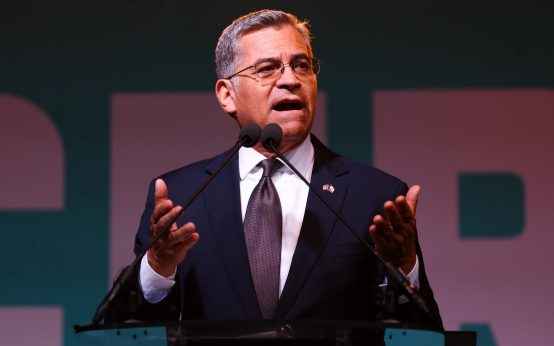 California Primary Election 2026: Key Races and Emerging Results
 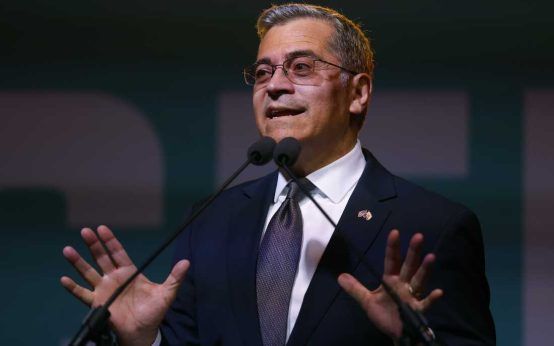 Xavier Becerra Advances in California Governor Race
  Trump Criticizes Senator Tillis Amid Nomination Discussions
  Clarity Sought on U.S. Troop Levels in Europe Amid Policy Changes