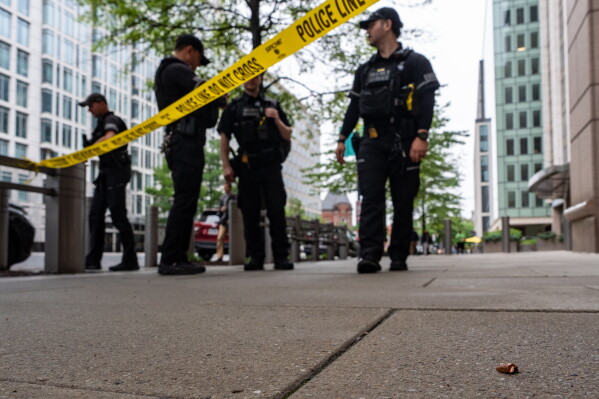
A suicide bomber detonated an explosives-laden vehicle near a railway track in Quetta, Pakistan. The attack killed at least 23 people and wounded over 70 others on Sunday. This tragic event occurred as a passenger train was passing through the southwestern city.
The explosion overturned two train cars, igniting a fire and releasing thick black smoke. Footage shared online captured the severity of the incident. The attack site, typically occupied by security forces, suffered serious damage. Several nearby buildings were badly damaged, and over a dozen vehicles were destroyed.
Medical personnel at local hospitals reported receiving many injured individuals, with 20 in critical condition. Bodies were transported to hospitals after the explosion. The Baloch Liberation Army (BLA), a militant group seeking independence from Pakistan’s central government, claimed responsibility, stating they targeted a train carrying security personnel.
Quetta is the capital of Balochistan province, a region rich in oil and minerals. It has experienced a persistent low-level insurgency. Insurgents frequently target security forces, government sites, and civilians in the area.
The Balochistan provincial government condemned the attack. Spokesman Shahid Rind expressed deep sorrow over the loss of lives, asserting that terrorist elements should not receive leniency. A medical emergency was declared in Quetta, and an investigation was initiated.
Pakistan’s Prime Minister Shehbaz Sharif labeled the bombing as a “cowardly act of terrorism” and offered condolences on X, a social media platform. Balochistan Chief Minister Sarfraz Bugti also condemned the attack, noting that it targeted “innocent civilians, including women and children.”
In recent statements, Pakistani officials have accused India of backing the BLA, a claim denied by New Delhi. Tensions between Pakistan and India have persisted, influenced by their historical conflicts, particularly over Kashmir.
Pakistan’s President Asif Ali Zardari denounced the bombing, emphasizing that militants and their backers aim to disrupt Pakistan’s role in regional peace. He promised to defeat terrorists and their supporters.
This attack happened after reports of the U.S. and Iran nearing an agreement to end a conflict in the Middle East. Pakistani authorities assert that the insurgency in Balochistan has been subdued, though violence continues.
In 2024, an attack in Balochistan killed at least 26 people, including soldiers. The ongoing violence underscores the fragile security situation in the region.
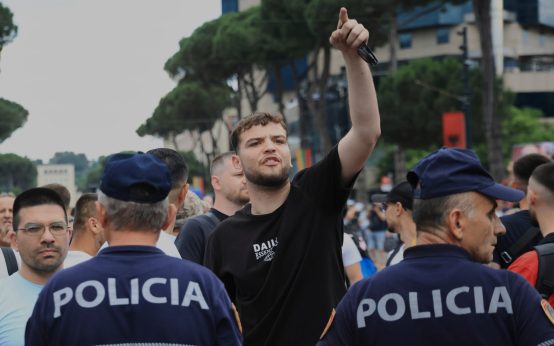 Protests Erupt in Albania Over Resort Development
 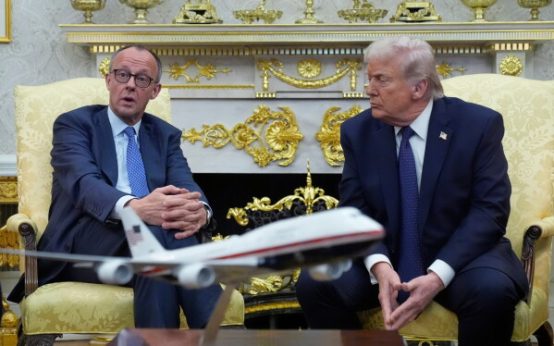 Clarity Sought on U.S. Troop Levels in Europe Amid Policy Changes
 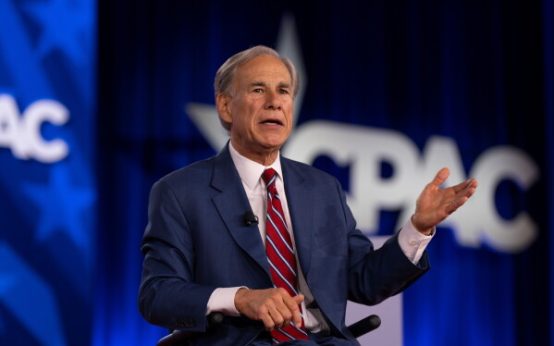 U.S. Military Awaits Pentagon’s Clarification on Troop Levels in Europe
  Potential Ebola Outbreak in Central Africa Raises Concerns of Rapid Spread
 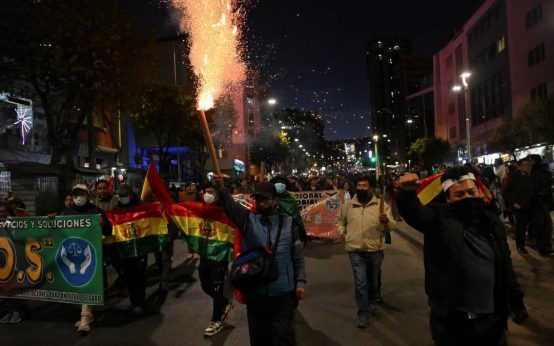 U.S. and Allies Condemn Efforts to Overthrow Bolivian Government
  Pamela Hicks: Cousin, Bridesmaid, and Witness to History