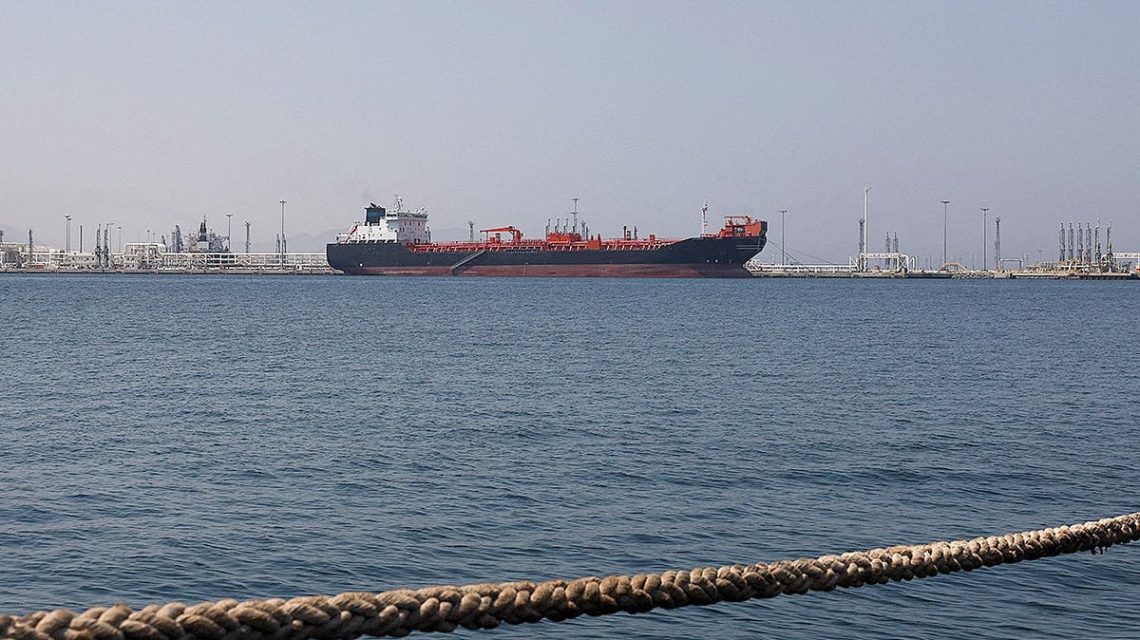
U.S. Challenges Iran’s Control of Strait of Hormuz
President Donald Trump is advocating for toll-free navigation in the Strait of Hormuz, confronting Iran’s assertion of domination over the maritime zone and its potential toll imposition. The United States uses economic sanctions and collaborates with Gulf allies to pressure Iran regarding its nuclear agenda and regional activities.
Maritime Tracking Blackout Raises Concerns
An AI maritime firm detected disruptions in ship tracking near the UAE’s major oil hub, causing alarm in Gulf shipping just before President Trump announced advancements on an Iran peace deal. Windward AI noted a blackout in Automatic Identification System (AIS) signals near Fujairah, suggesting electronic warfare, jamming, intentional AIS interruptions, and intense cyber interference close to the UAE oil port.
Windward warned of decreased vessel activity post blackout, with fewer cargoes and significant vessel stealth.
U.S.-Iran Deal Progress and Shipping Tensions
As Trump disclosed a “largely negotiated” Iran deal aimed at reopening the Strait of Hormuz, Fujairah shipped 1.35 million barrels of crude to South Korea, marking initial resumption of flow after the blackout.
President Trump also shared an AI-generated image illustrating IRGC boats under attack in the strait, while reaffirming a memorandum of understanding for a peace agreement with Tehran.
Iran’s Sovereignty Claims on Hormuz
Iran’s military spokesperson, Ibrahim Al-Fiqar, asserted Tehran’s absolute control over Hormuz and its right to regulate transit specifics and maritime licenses.
Following Iran’s Persian Gulf Strait Authority (PGSA) establishment on May 20, ships are mandated to provide detailed vessel, cargo, insurance, and crew information alongside required payments for “safe passage.” Analysts noted Iran’s territorial claims extending beyond its waters into areas associated with Oman and the UAE.
Iran’s Maritime Strategy and Global Energy Threats
Alex Vatanka from the Middle East Institute described Iran’s IRGC Navy approach as asymmetric, combining fast boats, drones, radar, coastal missiles, and selective intimidation to enforce regulations.
Amid negotiations dominated by nuclear issues and a 60-day ceasefire, the PGSA emerges as Iran’s economic leverage, threatening global oil and shipping stability.
Vatanka characterized the PGSA as a wartime extortion mechanism, with ships submitting data for approval and facing potential delays, harassment, or denial of passage for noncompliance.
Emma Bussey, contributing to Fox News Digital, built her expertise at The Telegraph covering foreign and domestic affairs.
 Protests Erupt in Albania Over Resort Development
 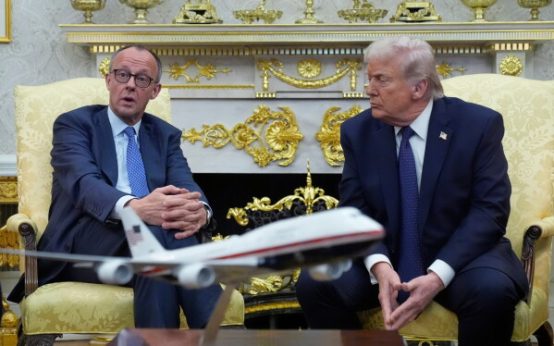 Clarity Sought on U.S. Troop Levels in Europe Amid Policy Changes
 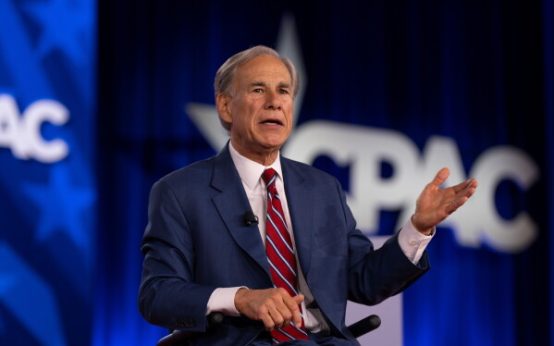 U.S. Military Awaits Pentagon’s Clarification on Troop Levels in Europe
 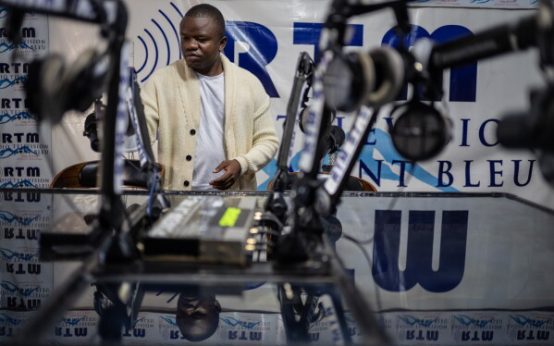 Potential Ebola Outbreak in Central Africa Raises Concerns of Rapid Spread
 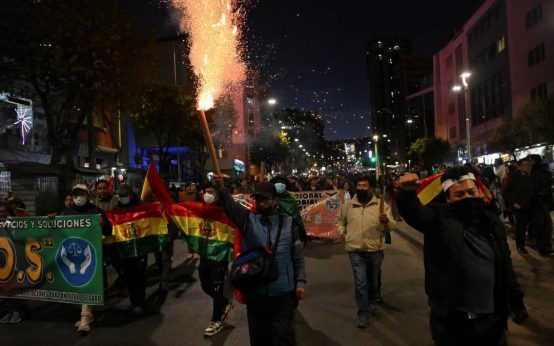 U.S. and Allies Condemn Efforts to Overthrow Bolivian Government
  Pamela Hicks: Cousin, Bridesmaid, and Witness to History