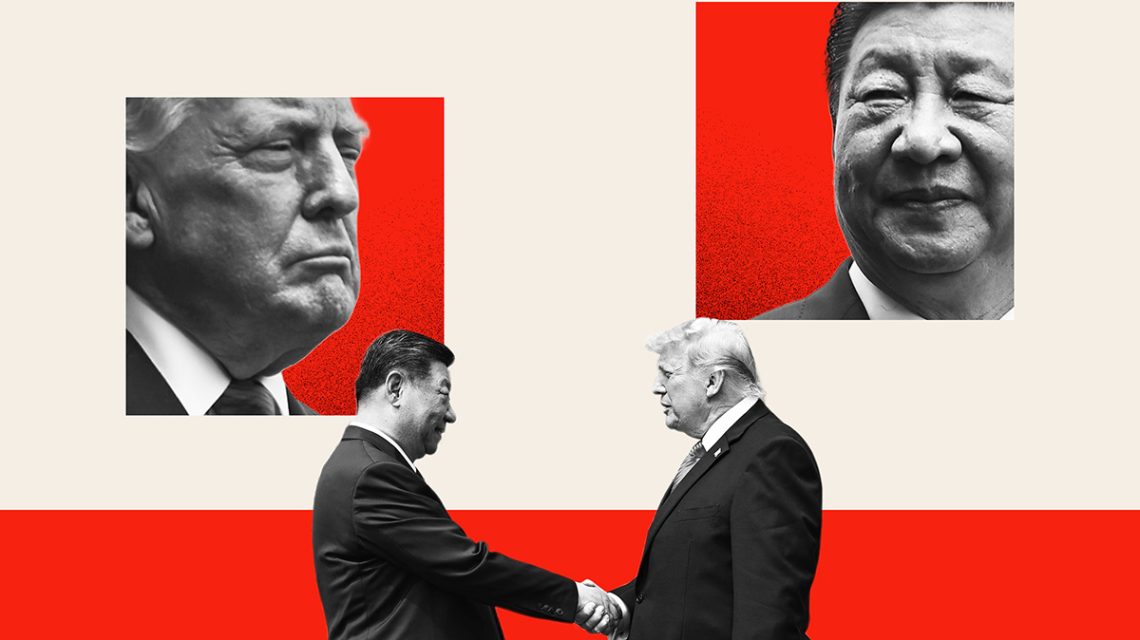
President Donald Trump’s business-centered approach is softening the U.S. stance on Beijing. However, his administration’s China critics are quite visible.
Trump’s recent visit to Beijing, filled with elaborate ceremonies, marked a shift in U.S.-China relations. It started when both countries reduced tariffs in a move last May. In his first term, Trump clashed with China over trade and the COVID-19 pandemic, leaving relations tense. Few expected a public reconciliation.
In Beijing, Trump praised his friendship with President Xi Jinping, calling him a ‘great leader.’ Xi later noted that these words enhanced trust between them. Accompanying Trump were notable China critics like Marco Rubio, Pete Hegseth, and Stephen Miller. They supported Trump’s efforts to encourage cooperation with China, which included business interests.
“The visit aimed to show China that the U.S. remains a global leader,” said Miles Yu, former China policy adviser.
Trump worked to ease tensions by making concessions on Taiwan policy and AI chip access. This move was controversial among his supporters. Xi responded with an agreement to meet in South Korea and promised agricultural purchases, a longstanding U.S. demand. Following the summit, Xi agreed to a U.S. state visit planned for September, the first since 2015.
Miles Yu emphasized that despite appearances, the U.S. and China are in a ‘new Cold War.’ He described this as a better scenario than an actual conflict, underscoring ‘peace through strength.’
The domestic pressure in the U.S. continues. Recent federal charges highlight ongoing efforts to curb Chinese influence. In California, Eileen Wang faces allegations of acting as an illegal Chinese agent. Similarly, Harry Lu was convicted in New York for running an unofficial Chinese police station.
Despite the summit’s positive optics, significant changes may be limited. Yu mentioned Trump’s strategy in inviting Xi to visit the U.S., suggesting it was a way to urge Xi to maintain peace and avoid tensions until the visit.
“Trump aimed to show strength but might not have succeeded,” commented John Yasuda, associate professor at Johns Hopkins University. Xi presented himself as a wise leader rather than an equal partner, according to Yasuda’s analysis.
The summit’s signals suggest China is open to reducing tensions if the U.S. opts for a transactional relationship. This approach suits Xi, who faces domestic challenges. Whether Washington comprehends this dynamic remains in question.
 Trump Appoints Bill Pulte as Acting DNI with Plans to Reshape Intelligence Community
  Maine Senate Race: Graham Platner Faces Scrutiny Amid Campaign Controversies
  Trump Comments on US-Iran Conflict Amid Military Strikes
  Graham Platner’s Campaign Faces Allegations and Support from Voters
 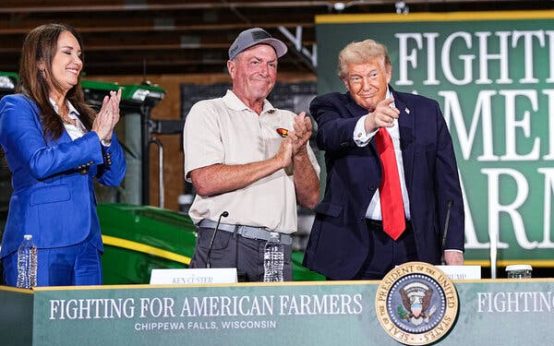 Trump Bolsters Support Among Wisconsin Farmers Amid Tariff Concerns
 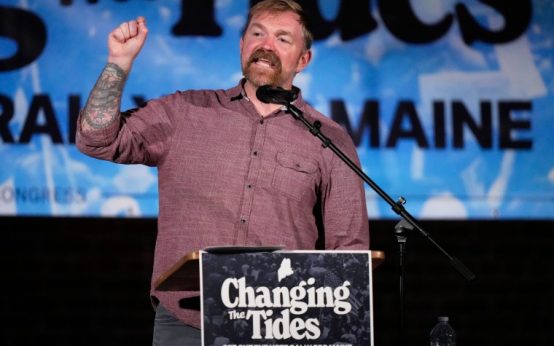 Graham Platner Returns to Campaign Trail Amid Allegations