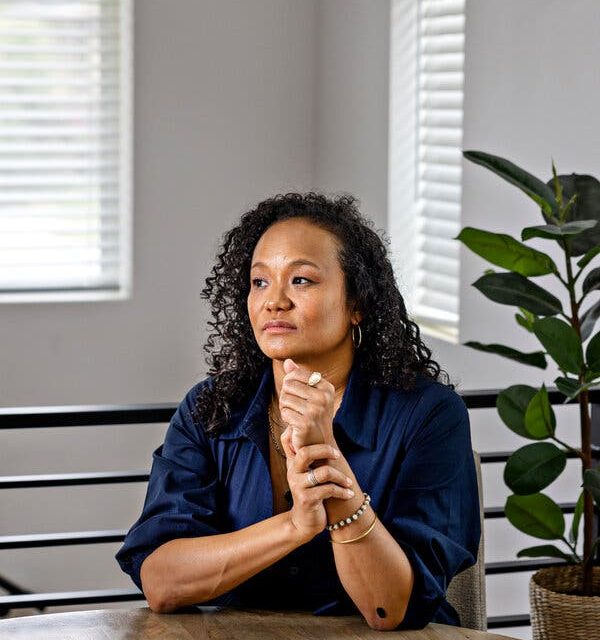
Erin Millender, at age 47, faces what could be her last opportunity to become a mother. Her quest for motherhood has not been straightforward. This includes picking a daycare, storing a Pack ‘n Play in her basement, and trying various methods such as Chinese pregnancy teas and midnight fertility ceremonies.
Having spent years on in vitro fertilization (I.V.F.) attempts that failed, she decided to make one final attempt. In July 2023, she contacted her clinic with hopes of soon proceeding with an embryo transfer to her uterus.
However, the crucial moment took an unexpected turn. Her husband had withdrawn his consent, meaning she could not move forward using his DNA. The doctor informed her that their options had become limited, tying the future she envisioned to complex legal and moral challenges.
This situation places Millender at the heart of a growing debate affecting many couples. As more women attempt I.V.F., especially those postponing motherhood into their 40s, they encounter unique disputes. Among these, a pressing question emerges: who owns custody of embryos before they become children?
After receiving the life-altering news, Millender found herself on a street in downtown Manhattan. Remembering a recent conversation with her husband about divorce, she realized the implications. What she hoped was a temporary marital issue might now undermine their meticulous family plans.
 Researchers Escorted Out of Diabetes Conference for Criticizing Trump Administration
  Ebola Outbreak in Africa: A Serious Concern
 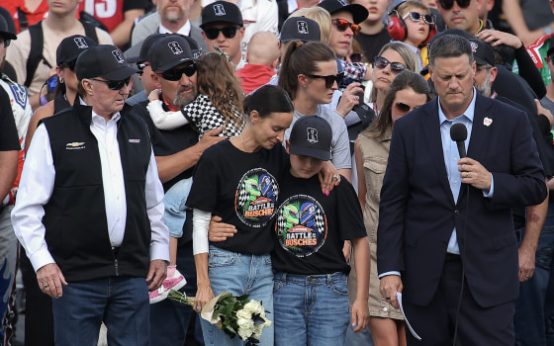 NASCAR Community Mourns the Loss of Kyle Busch
 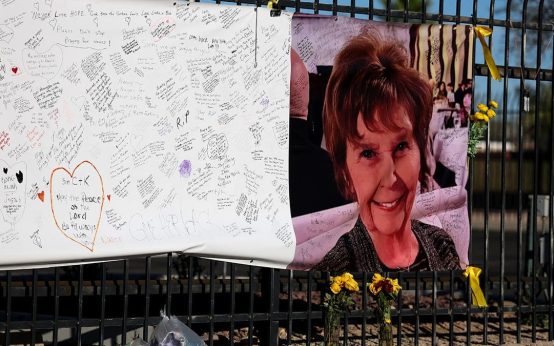 Persistence in Investigations: Encouragement and Challenges
  Support Pours in for Airport Worker After Viral Video
  Challenges of Reentry After Years in Prison