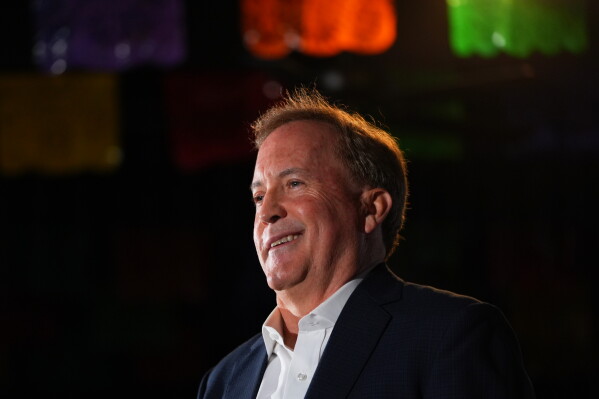
In Dallas, Colin Allred, who served three terms in the U.S. House, is entering a Democratic runoff for a House seat. He speaks about voters’ concerns regarding politicians profiting in Congress. Many voters ask him about stock trading and wealth accumulation in Washington. Allred acknowledges these concerns are valid and believes improvements are needed.
He is competing against Rep. Julie Johnson. Allred criticizes Johnson for trading stocks of companies like Palantir, which are linked to former President Trump. Johnson claims her trades were managed by a financial advisor and points out that Allred’s wealth also increased during his time in office. She states her Palantir trade yielded only $90, challenging Allred’s portrayal of the transaction.
The fierce contest between Allred and Johnson highlights a broader debate within the Democratic Party regarding the impact of wealth on politics. Progressive voices have often denounced politicians accused of self-dealing or falling prey to special interests. These themes are prevalent in many Democratic primaries.
As Democrats prepare for midterms, there is a focus on anti-corruption messaging against Trump. Many voters perceive both parties as corrupt due to the influence of donors. Daniel Lobo-Lewis and Nico Agosto established the Political Integrity Project to monitor stock trading and donation practices among Congress members. They urge candidates to commit to avoiding stock trades and corporate donations in office.
Insider trading remains illegal for Congress members, but there is no outright ban on stock trading. Despite proposals for such bans, congressional action stalled. A bipartisan bill gained Trump’s approval but didn’t progress due to disagreements on legislative details.
Anti-Corruption Themes Influence Primaries
In Utah, a Democratic primary for a congressional seat has seen candidates attack each other’s financial ties. State Sen. Nate Blouin criticizes former Rep. Ben McAdams for equity in a local data center firm. McAdams defends this equity as compensation for work through his consulting firm and asserts the project’s use of renewable energy and no water.
Blouin challenges McAdams’s campaign finance practices, claiming he unlawfully concealed corporate donations. Blouin claims these were returned to donors, though he acknowledges it was awkward in some instances. He insists that contributions from companies might sway political decisions.
In New York City, Brad Lander accuses Rep. Dan Goldman of using his wealth to secure another term. Goldman is related to the Levi Strauss family. Goldman’s assets are placed in a blind trust. Aides to Goldman allege Lander’s claims are misleading, stressing Goldman avoids corporate PAC money.
California Candidates Clash Over Stock Trades
Democratic Rep. Brad Sherman, although supporting a stock ban, faces primary challenges from candidates criticizing his stock holdings. Sherman states owning stocks inherited from family and refuses to trade. Rival Jake Levine accuses Sherman of hiding sections of a reported $18 million stock portfolio.
In the race for Nancy Pelosi’s seat, Scott Wiener attacks Saikat Chakrabarti over his wealth. Chakrabarti, a former tech executive, faces allegations of hiding stock trade history. Chakrabarti promises to place assets into a blind trust if elected and accuses Wiener of benefiting from corporate-funded super PAC support.
The issue of financial interests influencing political decisions remains a contentious topic. Candidates argue over ethical boundaries and transparency, fostering broader conversations on reforming political financial practices.
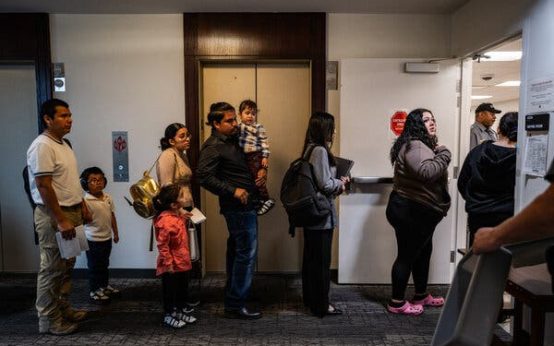 Judge Overturns Trump-Era Immigration Policies
 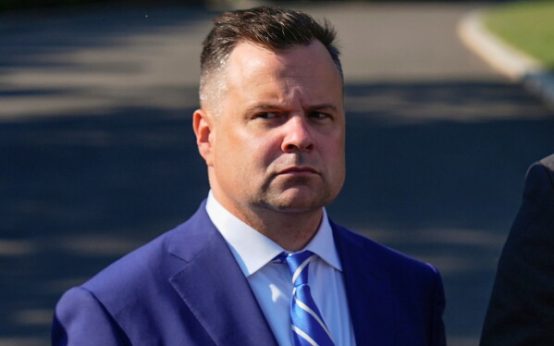 Trump Aims to Reduce National Intelligence Office Size
 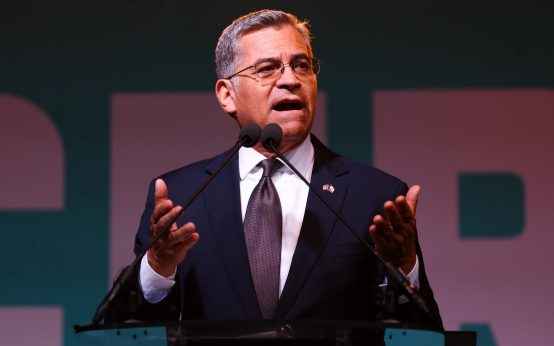 California Primary Election 2026: Key Races and Emerging Results
 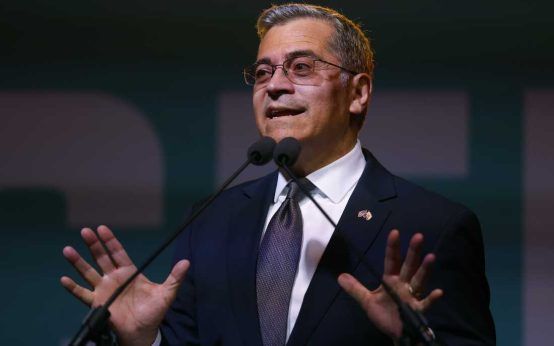 Xavier Becerra Advances in California Governor Race
  Trump Criticizes Senator Tillis Amid Nomination Discussions
  Clarity Sought on U.S. Troop Levels in Europe Amid Policy Changes