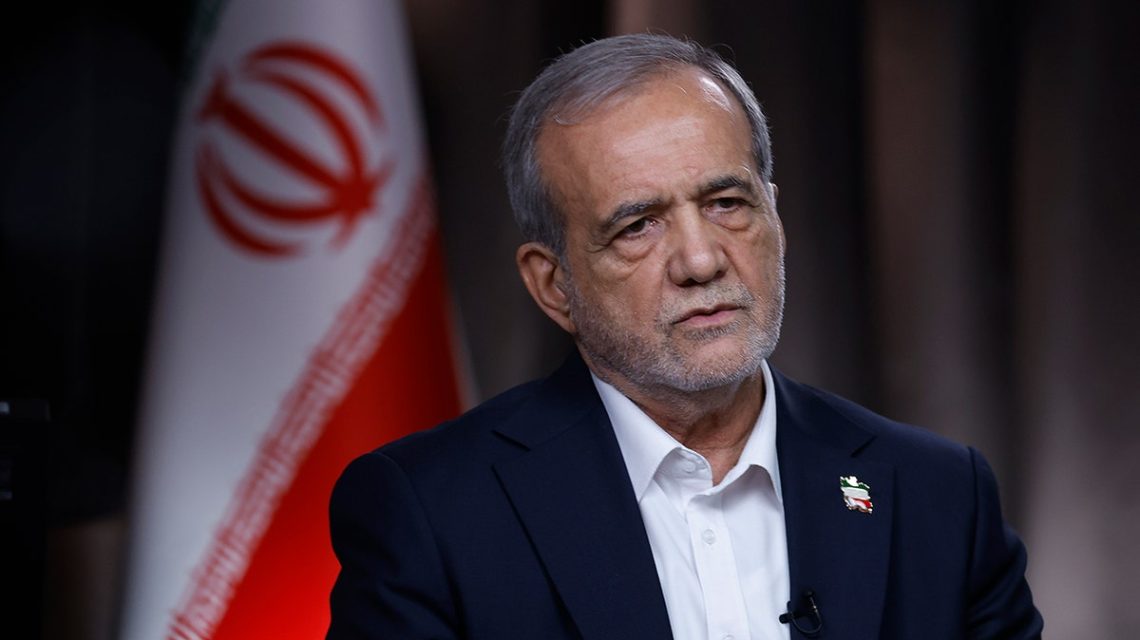
On May 24, President Masoud Pezeshkian referenced one of Iran’s most powerful wartime symbols, indicating Tehran’s determination to resist pressures from the U.S. and Israel. This statement comes at a critical diplomatic juncture, as former President Donald Trump announced that negotiations for a deal to end ongoing conflicts with Tehran are ‘largely negotiated.’ Trump warned that the U.S. would either sign ‘a great and meaningful’ agreement or withdraw entirely.
While Iran expressed general agreement on certain points with Washington, it stated that a final deal is not imminent, with further negotiations on details still ongoing. In an interview with Fox News Channel’s Martha MacCallum, Iranian President Masoud Pezeshkian addressed the current state of diplomacy.
Iran’s top diplomat emphasizes the nation’s strength in defying foreign pressures, asserting ‘no to the great powers.’
On an X post commemorating the anniversary of the recapture of Khorramshahr during the Iran-Iraq War in 1982, Pezeshkian stated, ‘Khorramshahr today is Iran, the Persian Gulf, and the Strait of Hormuz,’ emphasizing that resistance, self-sacrifice, and defense against aggression are integral to Iran’s cultural heritage.
Analysts suggest Pezeshkian intentionally drew upon one of the Islamic Republic’s core ideological references — the battle known for reflecting national resistance and civilian sacrifice. Dr. Omar Mohammed, director of the Antisemitism Research Initiative at George Washington University, discussed the strategic timing of this reference.
May 24 marks the anniversary of Khorramshahr’s 1982 liberation from Iraqi control, a significant event during the war. Iranian forces regained the southwestern city after intense urban combat that lasted several months.
Mohammed elaborated on the symbolic importance of this wartime reference to the Islamic Republic, likening it to Russia’s Great Patriotic War in terms of civilian resistance and sacrifice. He noted that Pezeshkian’s comments draw on historical narratives to frame current conflicts.
Pezehskian’s remarks also evoke imagery of volunteer Basij fighters and contrast them with invading professional armies. The reference to the Strait of Hormuz introduces a standard escalation tactic employed by Iran.
Mohammed explained that invoking this strait context serves as a deliberate signal rather than casual rhetoric. This wartime symbolism is central to Iran’s regime, used to convey the seriousness of potential conflicts.
Pezehskian’s communication on X frames the current confrontation from the presidency, sending a ‘high-stakes message.’ This messaging reflects an internal stance signaling defiance against perceived invasion without room for negotiation.
 U.S. Military Awaits Pentagon’s Clarification on Troop Levels in Europe
 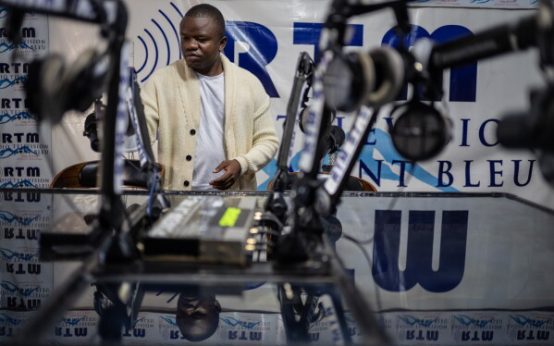 Potential Ebola Outbreak in Central Africa Raises Concerns of Rapid Spread
 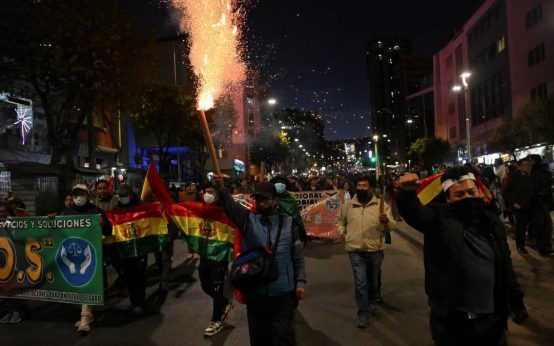 U.S. and Allies Condemn Efforts to Overthrow Bolivian Government
 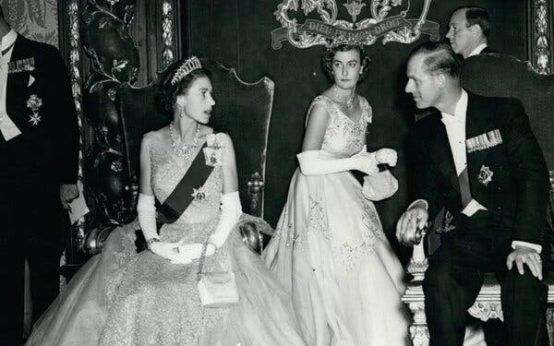 Pamela Hicks: Cousin, Bridesmaid, and Witness to History
  Latin American Deportees in Congo: Return to Home Countries Amid Challenges
  Controversy Surrounds Stabbing Incident of British Student