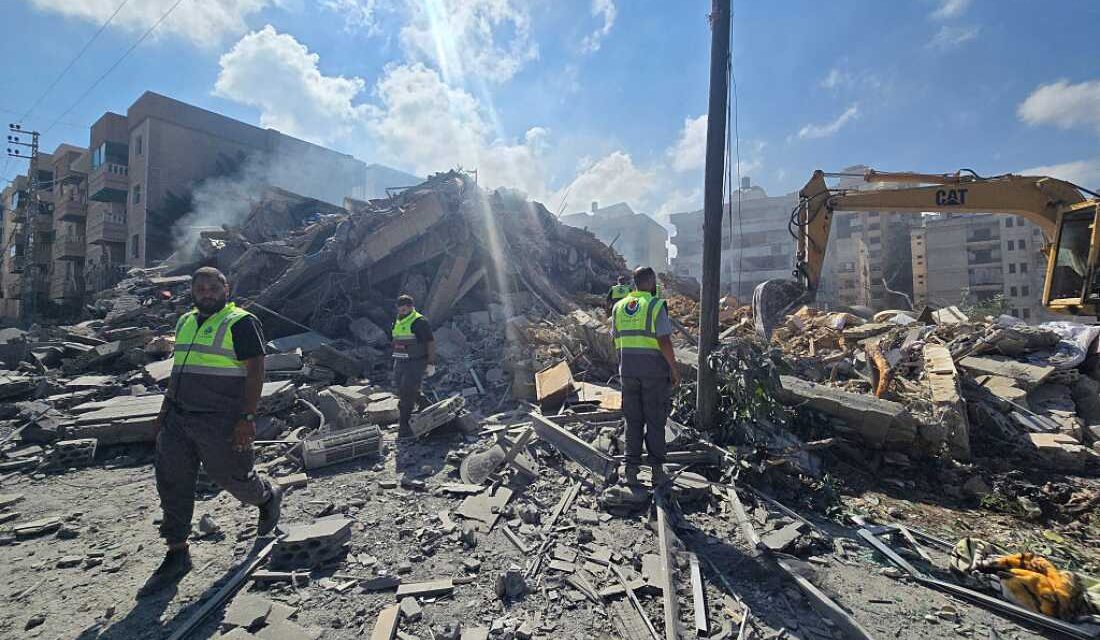
Lebanese civil defense workers searched through the aftermath of a destroyed building due to an Israeli strike in the southern Lebanese area of al-Hosh near Tyre. These operations followed increased conflict activity on May 26, 2026.
Hopes for a peace agreement to conclude the war in Iran diminished as Israel announced plans to expand its attacks in Lebanon targeting Iran-backed Hezbollah. Concurrently, the U.S. military struck Iranian vessels and missile sites. U.S. Central Command Spokesman Capt. Tim Hawkins stated that Iran’s boats were laying mines, prompting defensive military actions. Despite this, U.S. forces exhibited restraint amid the ceasefire.
Iran’s Revolutionary Guard Corps claimed to have downed a U.S. drone and fired at a U.S. fighter jet over Iranian airspace. In a statement posted on Telegram, the IRGC reported three Iranians dead from a U.S. strike near Lark Island. Meanwhile, negotiations continued in Qatar to secure a peace agreement.
U.S. Secretary of State Marco Rubio remarked on Tuesday that achieving a deal to end the Iranian conflict may take several days. President Trump introduced a new condition that Saudi Arabia, Pakistan, and others must sign the Abraham Accords with Israel. Initially welcomed by Gulf Arab countries, such demands could alter their stance.
Saudi Arabia linked ties with Israel to recognizing a Palestinian state. Trump’s social media posts underscored the significance of regional diplomatic cooperation, urging countries to join the Accords.
Iran’s foreign ministry denounced alleged U.S. piracy against Iranian vessels over the past two days, calling these actions a gross breach of the ceasefire. The ministry accused the U.S. of bad faith amid ongoing negotiations mediated by Pakistan.
In Lebanon, an Israeli strike on Monday in Mashghara resulted in 11 fatalities, including a woman and two children, according to the Lebanese health ministry.
President Trump had previously suggested the U.S. and Iran were nearing a memorandum of understanding to end the conflict. Iranian officials acknowledged persistent disagreements over key issues such as lifting sanctions and unfreezing assets to reopen the Strait of Hormuz in the deal’s initial phase.
Trump emphasized that a mutually beneficial deal remains a priority, contrasting it with returning to an intensified conflict. Iranian negotiations also target its nuclear program, disputing U.S. claims that it seeks atomic weapons. Iran refused to relocate its enriched uranium outside national borders.
A senior Iranian foreign ministry official, Hossein Nooshabadi, noted a potential framework deal halting all hostilities, including those with Hezbollah in Lebanon. Nonetheless, Israel opposes ending its Lebanon campaign. Prime Minister Benjamin Netanyahu committed to intensifying military operations there despite a U.S.-mediated ceasefire initiated on April 17.
The escalation incited a fresh exodus from Beirut’s southern suburbs amidst fears of further attacks. Hezbollah continued its offensives on Israeli targets in northern Israel and southern Lebanon, contributing to 22 Israeli soldiers’ deaths, alongside a contractor and two civilians.
Lebanese health authorities reported nearly 3,200 deaths since the conflict commenced on March 2. Casualties include a significant number of women, children, and first responders. Over a million people face displacement due to Israeli bombardments, which have devastated numerous southern Lebanese villages according to Lebanese and U.N. data.
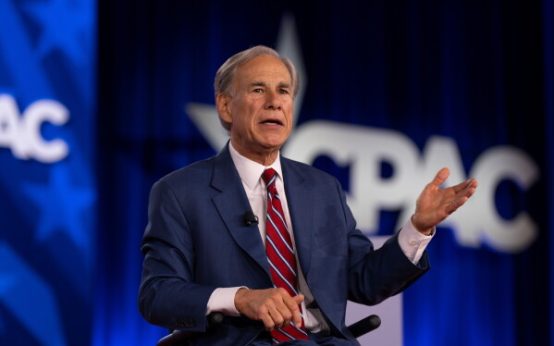 U.S. Military Awaits Pentagon’s Clarification on Troop Levels in Europe
 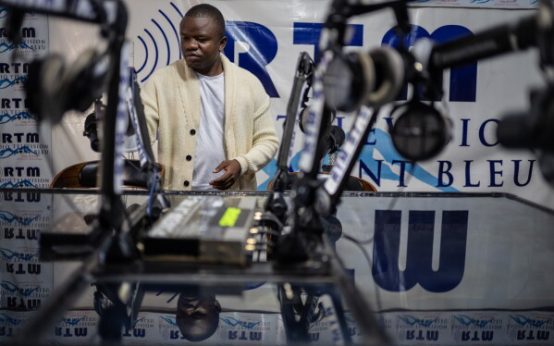 Potential Ebola Outbreak in Central Africa Raises Concerns of Rapid Spread
 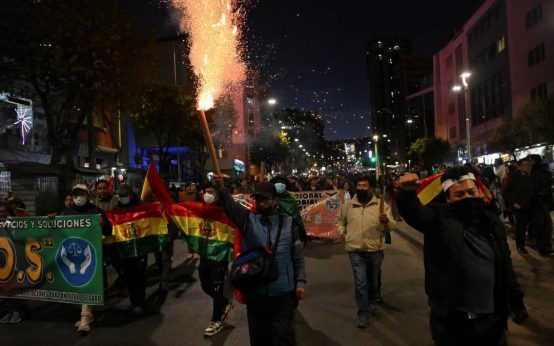 U.S. and Allies Condemn Efforts to Overthrow Bolivian Government
  Pamela Hicks: Cousin, Bridesmaid, and Witness to History
  Latin American Deportees in Congo: Return to Home Countries Amid Challenges
  Controversy Surrounds Stabbing Incident of British Student