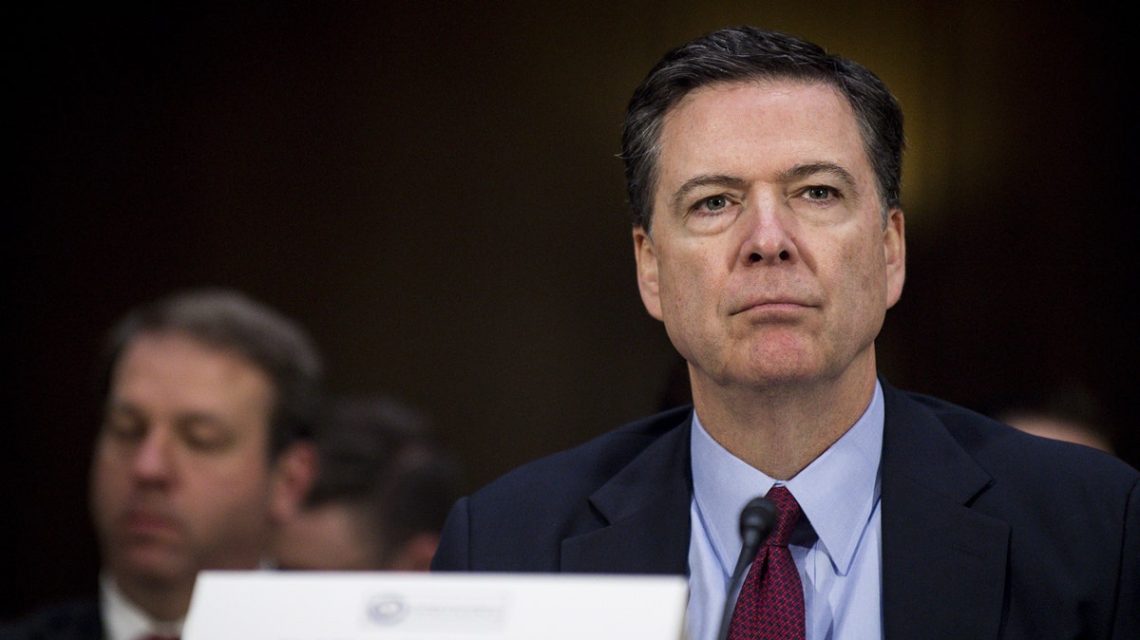
A federal judge has delayed the trial of former FBI Director James Comey until October. Comey faces federal charges for allegedly threatening President Donald Trump through an Instagram post in 2025. The post included an image of seashells arranged to display the message ’86 47.’
Comey’s legal team is planning to file ‘multiple motions on constitutional grounds.’ These motions could result in the dismissal of the case. The trial was originally scheduled for July, but the delay to October 21 provides more time for Comey’s defense to argue that the post was political speech protected by the First Amendment.
Comey has been a prominent figure in political disputes since the 2016 election. His management of the investigation into Hillary Clinton’s email and the early Russia probe are notable actions that marked his tenure before his dismissal by Trump in 2017.
Legal Concerns and Constitutional Debate
Legal experts are questioning if the charges against Comey can stand against a First Amendment challenge. The indictment is based on the Instagram post from May 2025. In this post, ’86’—a term meaning ‘get rid of’—was presented with ’47,’ referencing Trump as the 47th president.
Comey deleted the post after backlash and insisted it was not meant as a threat. He claims he was unaware ’86’ could be interpreted as inciting violence. Comey’s attorney has stated that Comey ‘vigorously denies’ the allegations and plans to defend himself in court.
Political Implications of the Indictment
The trial’s delay was ordered by District Judge Louise Wood Flanagan, appointed by President George W. Bush. Critics assert that Comey’s indictment illustrates the Trump administration’s use of governmental power against its adversaries. Virginia Sen. Mark Warner, a Democrat, criticized the indictment, suggesting it reflects Trump’s intent to manipulate the justice system for personal vendettas.
Supporters of the indictment argue that Comey’s actions exceed constitutional protections and enter the realm of illegal threats. Acting Attorney General Todd Blanche commented in March, emphasizing Congress’s role in defining and prohibiting threats against the President of the United States.
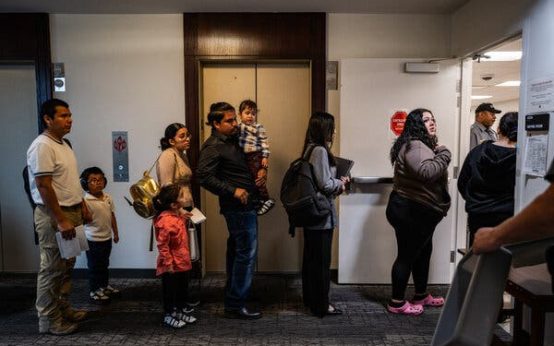 Judge Overturns Trump-Era Immigration Policies
 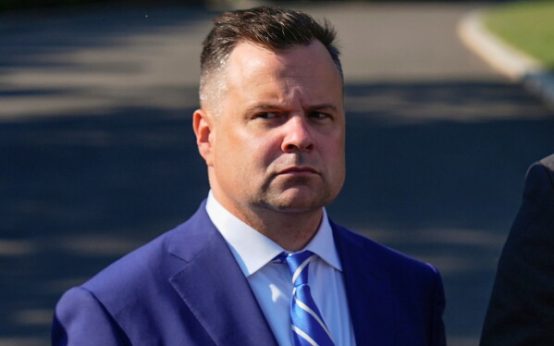 Trump Aims to Reduce National Intelligence Office Size
  California Primary Election 2026: Key Races and Emerging Results
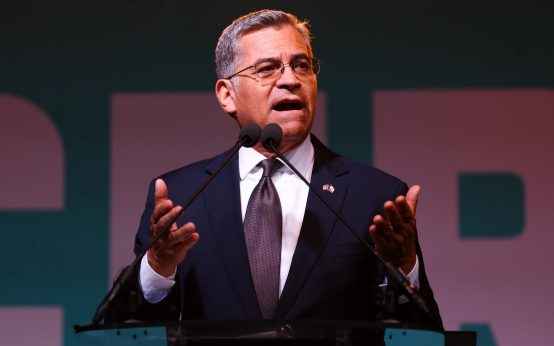
  Xavier Becerra Advances in California Governor Race
  Trump Criticizes Senator Tillis Amid Nomination Discussions
  Clarity Sought on U.S. Troop Levels in Europe Amid Policy Changes