This year, four states have enacted laws making disruptions during worship services a criminal offense. This legislative change responds to a notable protest inside a church in Minnesota, which disturbed many religious leaders. Most of these laws are sponsored by Republican lawmakers who argue that sacred spaces require protection that existing trespassing laws do not provide. They assert these laws will avert conflicts between worshippers and protestors, especially with concerns about violence against religious communities on the rise.
Lawmakers Push for New Protections
Idaho Senator Mark Harris, a co-sponsor of such legislation, stated, “People should go to church to be able to sit in peace, worship as they please, without having to worry about people coming in and harassing them.” He noted that the Minnesota church incident shocked many, highlighting the need for these protections. However, some critics argue these laws could infringe on free speech rights.
New Laws and Their Implications
New laws have been signed in Republican-led Idaho, Louisiana, and Oklahoma. In Kansas, the law passed without the endorsement of Democratic Governor Laura Kelly. Similar legislative proposals have emerged in seven other states and at the federal level. Nassau County, New York, also adopted a comparable measure.
In 1994, federal law already made it a crime to interfere with or intimidate individuals at places of worship or reproductive health facilities. While existing laws cover trespassing, lawmakers believe the new statutes will increase penalties and curb protests near worship venues.
The penalties under these new laws can exceed those for trespassing. Offenders might face up to a year in prison and fines reaching $10,000 for first-time violations. These laws empower states to prosecute if local authorities choose not to.
Triggered by a Protest in Minnesota
In February, 39 individuals, including two journalists, faced charges after a protest disrupted a religious service in St. Paul, Minnesota. The protest occurred because one of the church’s pastors held a position at U.S. Immigration and Customs Enforcement (ICE) overseeing an operation in Minnesota. The U.S. Department of Justice charged the protesters with conspiracy against religious freedom and interfering with this right. The accused have pleaded not guilty, and the cases are ongoing in federal court.
Louisiana Representative Gabe Firment introduced legislation permitting the forcible removal of protesters from worship sites after witnessing the fear in children’s faces during the Minnesota incident. He remarked, “You certainly have a right to protest, but just like you don’t have the right to come into someone’s home and act like that, you don’t have the right to come into private church property to do that.”
Oklahoma Senator Todd Gollihare’s law prohibits blocking highways within a mile of a service or approaching congregants with flyers near a place of worship. His colleague, Senator Kendal Sacchieri, expressed concerns, labeling the law extreme and cautioning about the precedent it sets.
Potential Legal Challenges
The ordinance in Nassau County faces a court challenge from the New York Civil Liberties Union. The group argues there’s no history of intimidation or violence near places of worship, suggesting the law unjustly restricts free expression.
Kevin Goldberg from Freedom Forum, which supports First Amendment rights, asserted that if challenged, governments would need to prove these laws address actual threats. He stated, “There has to be some evidence that there’s an actual threat going on.”
In Louisiana, Democrats expressed concerns over mandatory jail terms for service disruptions, arguing laws were too ambiguous. They suggested that even minor disruptions, like singing off-cue, could result in imprisonment. Proponents of the law stated that police and judges would exercise discretion in applying these laws.
 Trump Pardons Former Indiana Congressman Convicted of Insider Trading
  Trump Appoints Bill Pulte as Acting DNI with Plans to Reshape Intelligence Community
 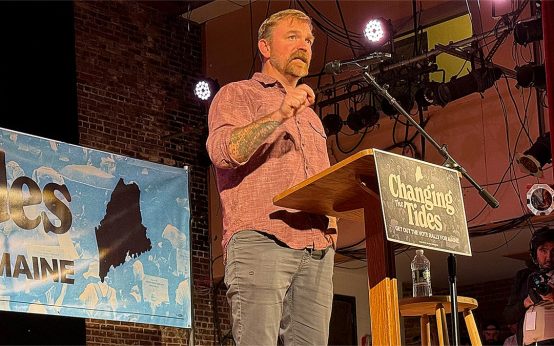 Maine Senate Race: Graham Platner Faces Scrutiny Amid Campaign Controversies
 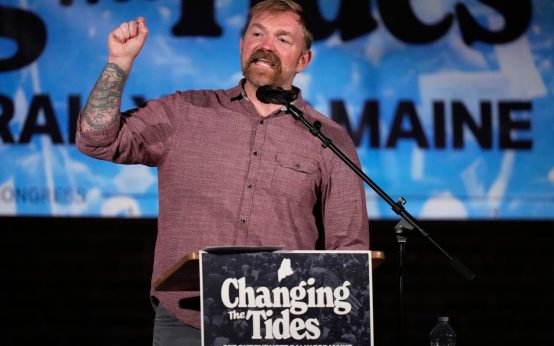 Graham Platner’s Campaign Faces Allegations and Support from Voters
 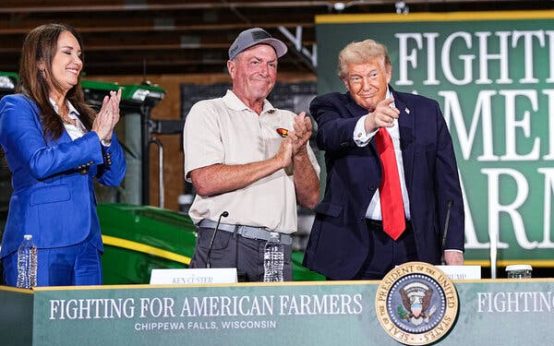 Trump Bolsters Support Among Wisconsin Farmers Amid Tariff Concerns