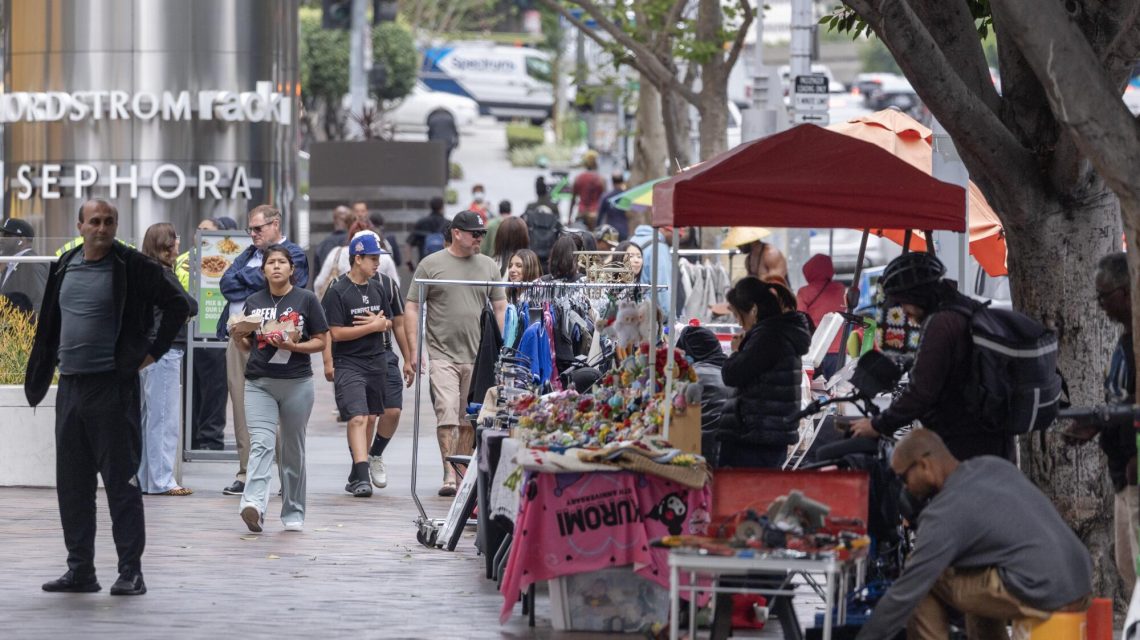
Cemal Clik, a 61-year-old business owner in downtown Los Angeles, was recently threatened by two armed men while preparing lunch in his shop. They stole his gold chain and fled before the police arrived 45 minutes later. Clik doubts the perpetrators will be caught or his chain recovered. He expresses concern for the safety of downtown, questioning who would want to visit the area.
As the mayoral elections approach, business owners like Clik urge officials to address these issues. They’re calling for increased police presence and improved amenities, such as better parking options and public restrooms, to restore vitality to downtown.
Since opening his store in 2001, Clik has seen the area transform from bustling to troubled due to rising crime, costs, and safer competition. The incident has left him with panic attacks, fearing potential danger with every new customer. More than six years after COVID-19 impacted downtown, local businesses emphasize the need for a mayor committed to improving safety and cleanliness, bringing back shoppers and employees.
Downtown’s decline has driven major companies to relocate, with organizations like Deloitte and KPMG reducing or abandoning presence. On May 12, 2026, sidewalk vendors set up on Figueroa Street, highlighting the area’s challenges. If left unresolved, these issues could tarnish the city’s reputation ahead of the 2028 Olympics. Downtown’s business exits have surged in recent years, accounting for a growing share of regional departures.
Key neighborhoods such as South Park, Fashion District, Central City, and Pico-Union experienced the most closures in 2024 and 2025. Financial services like Wedbush Securities moved operations to Pasadena, driven by the cleanliness and safety of areas like Century City. Currently, about 40% of office space in the Financial District is empty, and approximately 30% of retail space is vacant. While office attendance is above previous lows, it’s among the lowest in the country.
Businesses cite crime, homelessness, and infrastructure decline as critical issues, demanding more policing and cleaner, well-lit streets. They call for solutions to fill empty storefronts and office towers. Paul Kaufman, a shop owner, notes growing problems and the need to attract customers despite numerous empty storefronts.
Incumbent Mayor Karen Bass has focused on revitalizing downtown through resident and business engagement and investments to spur economic growth. Her efforts to address homelessness, police hiring goals, and public safety initiatives are appreciated, but challengers question her spending priorities. Mayoral candidate and Councilmember Nithya Raman criticizes Bass’ housing program costs, advocating for apartment vouchers as a more effective alternative. Another candidate, Spencer Pratt, plans to clear homeless encampments if elected.
Public safety ranks high among downtown advocates’ priorities. In April, the Central City Association (CCA) highlighted downtown’s disproportionate crime rates compared to its population. The CCA supports Bass’ reelection, arguing downtown is an economic engine and essential for the city budget. Historically generating 30% of business-related taxes, downtown’s decline contributes to budget shortfalls.
Businesses struggle with dysfunctional infrastructure, citing dirty sidewalks and inadequate lighting, exacerbated by copper wire theft. The city’s new Capital Infrastructure Program aims to improve streets and parks but implementing it will require careful management. Encouraging public employees to return to offices can help rejuvenate downtown businesses dependent on them.
Specific requests to the mayor include establishing a police detail for key entertainment areas, accelerating public safety camera deployment, and improving street and public space maintenance. Lawlessness, drug issues, and activated vacant spaces are critical focus areas. San Francisco’s recent successes inspire hopes for similar progress in Los Angeles.
San Francisco’s strategy, including the “Vacant to Vibrant” program, revitalized commercial spaces and attracted businesses. Los Angeles County’s tech growth, concentrated outside downtown, contrasts San Francisco’s AI boom. Nevertheless, Los Angeles’ downtown seeks more attention, especially with upcoming elections.
Kaufman, the shoe store owner, reflects on the challenges, asking if small businesses can emerge from their current struggles. The path forward requires strategic interventions and determined leadership.
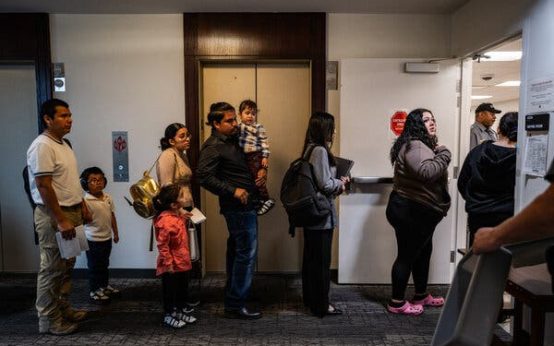 Judge Overturns Trump-Era Immigration Policies
 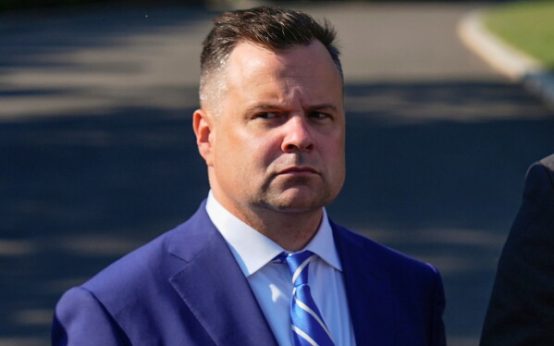 Trump Aims to Reduce National Intelligence Office Size
 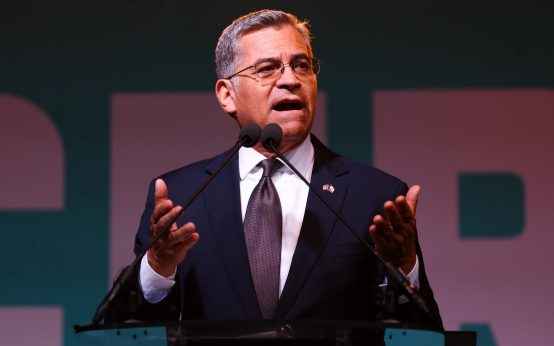 California Primary Election 2026: Key Races and Emerging Results
 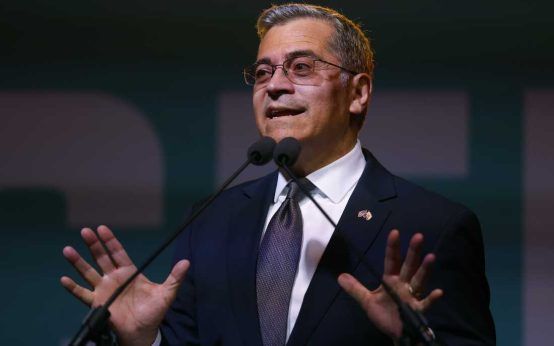 Xavier Becerra Advances in California Governor Race
 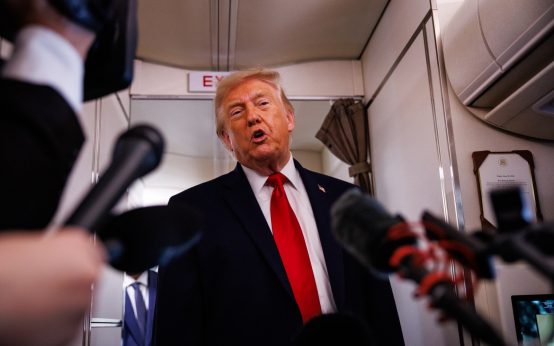 Trump Criticizes Senator Tillis Amid Nomination Discussions
  Clarity Sought on U.S. Troop Levels in Europe Amid Policy Changes