Recent developments suggest a possible agreement between the United States and Iran aimed at resolving the ongoing conflict and reopening the Strait of Hormuz. President Donald Trump indicated that talks have made significant progress, though the specifics of finalizing the deal remain unclear. This comes after discussions with key allies in the Middle East, including a separate conversation with Israel.
Ending the War
For twelve weeks, since the conflict began with U.S. and Israeli attacks on Iran, efforts have focused on ending hostilities across various fronts. Tehran demands that any agreement includes a ceasefire in regions like Lebanon, where Hezbollah, supported by Iran, has been engaging Israeli forces. A fragile ceasefire has been in place since April 7, offering some hope of resolution.
Ending the war would significantly reduce regional tensions, especially in areas affected by Iranian missile and drone strikes, such as the United Arab Emirates. Furthermore, resuming global shipping through the Strait of Hormuz, a crucial route for 20% of the world’s oil and natural gas, would alleviate economic concerns. The deal is expected to stop the conflict between Israel and Hezbollah and prevent external interference in internal affairs of countries, including Iran, who supports various proxies in the region.
Reopening the Strait of Hormuz
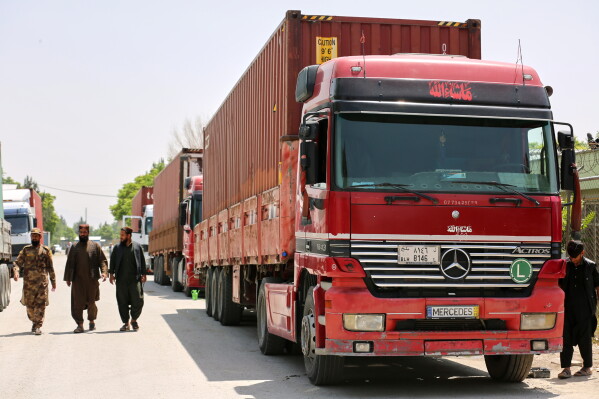
The agreement would facilitate the gradual reopening of the Strait of Hormuz, addressing global concerns about disrupted shipping routes. This comes after the U.S. initiated a blockade of Iranian ports, impeding oil exports vital for Iran’s economy. The reopening would coincide with the U.S. allowing Iran to sell oil through waivers.
Sanctions relief, along with the release of Iran’s frozen assets, would be part of negotiations over a 60-day period. The easing of restrictions would provide Iran with much-needed economic support.
Iran’s Nuclear Concessions
A key element of the potential deal involves Iran’s nuclear ambitions. Tehran would relinquish its enriched uranium stockpile, crucial to international security concerns. Negotiations will determine the method of disposal, which may involve dilution or transfer to another country, possibly Russia. The agreement includes a 60-day timeframe, during which sanctions will not be lifted if Iran fails to comply.
Currently, Iran holds 440.9 kilograms of uranium enriched to 60% purity, perilously close to weapons-grade levels. Despite international skepticism, Iran maintains its nuclear pursuits are peaceful.
Iranian President Masoud Pezeshkian assured, via state television, that the nation does not seek nuclear weaponry. President Trump emphasized on social media that the relationship with Iran is improving, but reiterated that nuclear armament is unacceptable.
Missing Elements in the Deal
The emerging agreement lacks certain details. The status of Iran’s uranium enrichment remains unspecified, as do particulars regarding its missile program, which has drawn Israel’s ire. Furthermore, earlier intentions by the U.S. and Israel to incite governmental change in Iran appear absent from current negotiations.
Moreover, Iran’s previous negotiation points, such as demands for U.S. troop withdrawal from the region and reparations for wartime damage, seem to be excluded.
Reporters Superville in Washington and Anna in New York contributed to this report.
 Protests Erupt in Albania Over Resort Development
  Clarity Sought on U.S. Troop Levels in Europe Amid Policy Changes
  U.S. Military Awaits Pentagon’s Clarification on Troop Levels in Europe
  Potential Ebola Outbreak in Central Africa Raises Concerns of Rapid Spread
 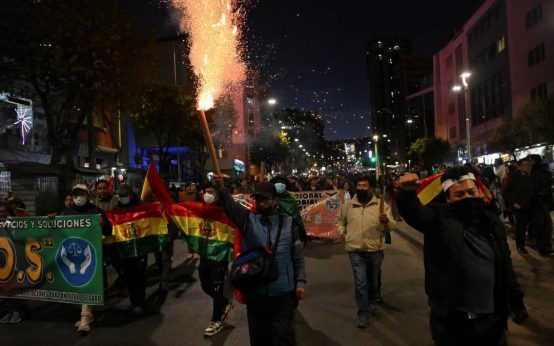 U.S. and Allies Condemn Efforts to Overthrow Bolivian Government
  Pamela Hicks: Cousin, Bridesmaid, and Witness to History