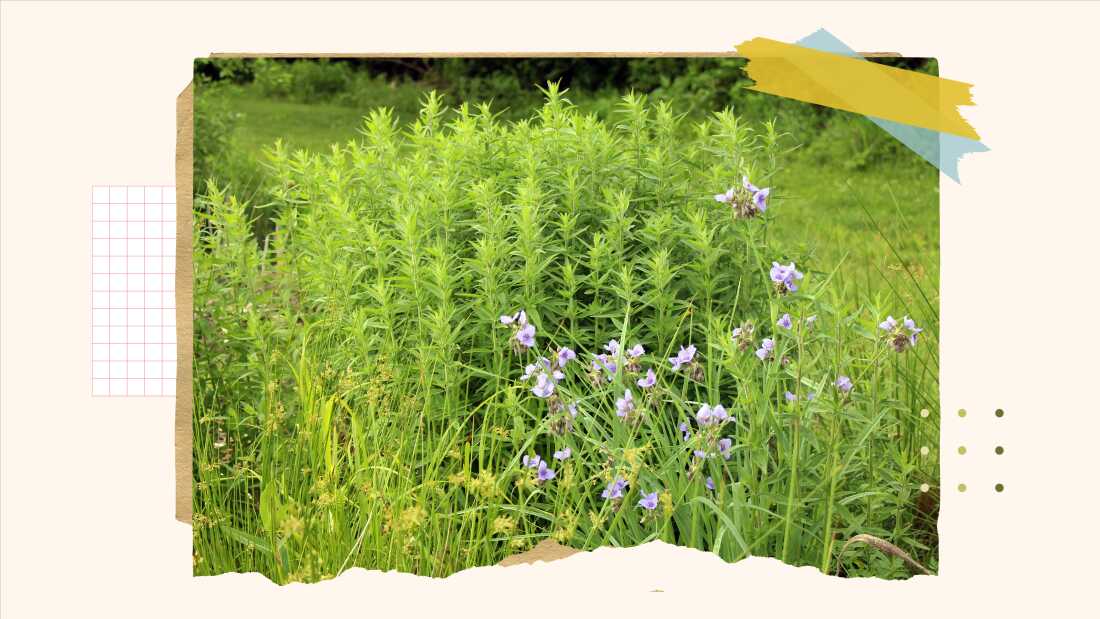
Three years ago, a lawn near the Kansas City metro area transformed into a vibrant garden filled with Midwest native plants such as Ohio spiderwort and mountain mint. These plants attract numerous pollinators and contribute to local biodiversity. Despite political challenges, communities are advancing climate solutions, addressing climate pollution, and adapting to extreme weather on local levels. Lawns, while useful for activities, occupy 40 million acres in the U.S. These expanses demand significant maintenance, contributing to air pollution and chemical runoff.
Benefits of Reducing Lawn Size
Reducing lawn size lessens environmental impact and provides habitats for wildlife. Lawn equipment releases 30 million tons of air pollutants annually, according to the Environmental Protection Agency. Rain washes lawn chemicals into bodies of water, affecting ecosystems. Shrinking lawns promotes gardens that support wildlife, essential as North America has lost one-quarter of its birds, and the U.S. has lost one-fifth of its butterflies. Entomologist Doug Tallamy suggests that reducing lawns by half and adding native gardens could create more habitats than several national parks combined.
Steps to Transition Your Lawn
1. Select an Area to Start
Begin with a small section to avoid overwhelming your gardening efforts. Starting with a manageable space such as along a fence or around a tree can prevent weed, mud, and erosion issues. This also creates a ‘soft landing’ for caterpillars and other insects.
2. Plan Your Plant Choices
Choose native plants that thrive in your region’s conditions. Native plants support specific insect diets, such as monarch caterpillars’ dependence on milkweed. To select the right plants, consider the amount of sunlight, soil type, and local resources such as GrowNative.org for Midwesterners. Determine your garden style, from short groundcovers to lush flower beds, and check local codes for planting restrictions.
3. Eliminate Existing Grass
Methods to remove grass include:
- Solarizing with clear plastic
- Smothering with cardboard
- Manually removing with a shovel or sod cutter
- Using herbicides
Select a method based on labor, timing, and personal preference. Decompose dead turf on-site to enrich soil.
4. Acquire Plants
Native plants may be pricier and less available in common garden centers. Look for native plant nurseries or community events for purchases. Save costs by buying young plugs or seeking local plant swaps. Facebook groups focused on native plants are valuable resources.
5. Plant and Maintain
Plant native species appropriate for local soil and environmental conditions. Space plants to eventually fill the area, reducing the need for mulch and consistent weed removal. Expect varying growth rates, with perennials typically establishing over three years.
6. Monitor and Enjoy Your Garden
Keep young plants weed-free and watered as needed. Reduce watering as plants mature. Leave plant stems and leaves in place through winter for overwintering insects. Enjoy observing the increased wildlife activity in your garden, a rewarding outcome of your planting efforts.
Paula Diaz, an experienced native plant gardener, emphasizes the satisfaction of seeing life flourish due to thoughtful gardening choices. “There’s always a bird that’s singing or frogs that are croaking,” she shares.
For further insights, Celia Llopis-Jepsen, host of the podcast Up From Dust, explores environmental topics and shares valuable tips.
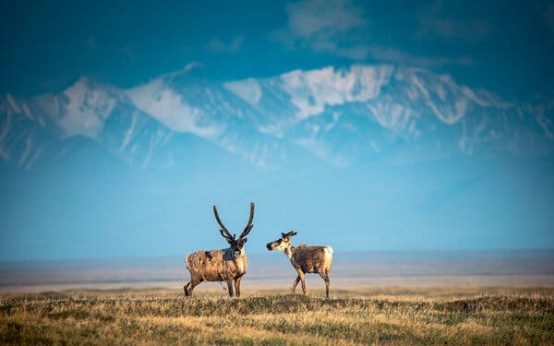 Limited Interest in Arctic National Wildlife Refuge Oil Auction
 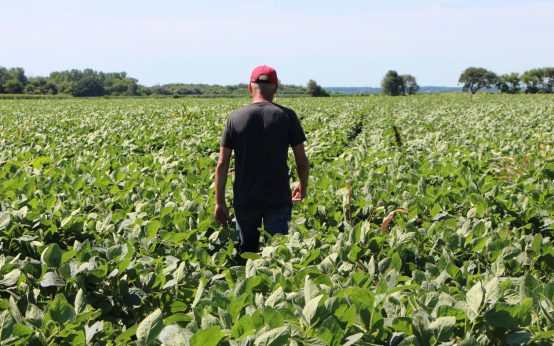 Confronting the Truth Behind Sustainability Buzzwords in the Food Industry
 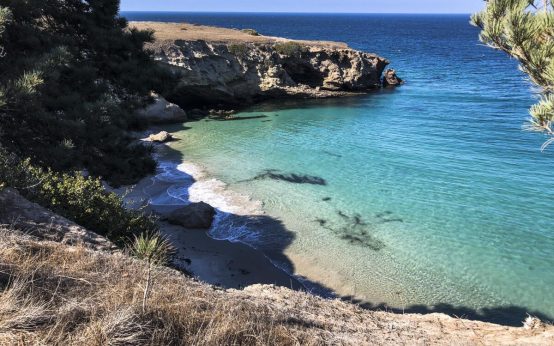 The Aftermath of Santa Rosa Island’s Fire
  Largest Seizure of Illegal Cockroaches in Australia
  Flesh-Eating Fly Returns to the United States Causing Concern
  Australia’s Largest Seizure of Exotic Invertebrates: Over 100,000 Cockroaches Confiscated