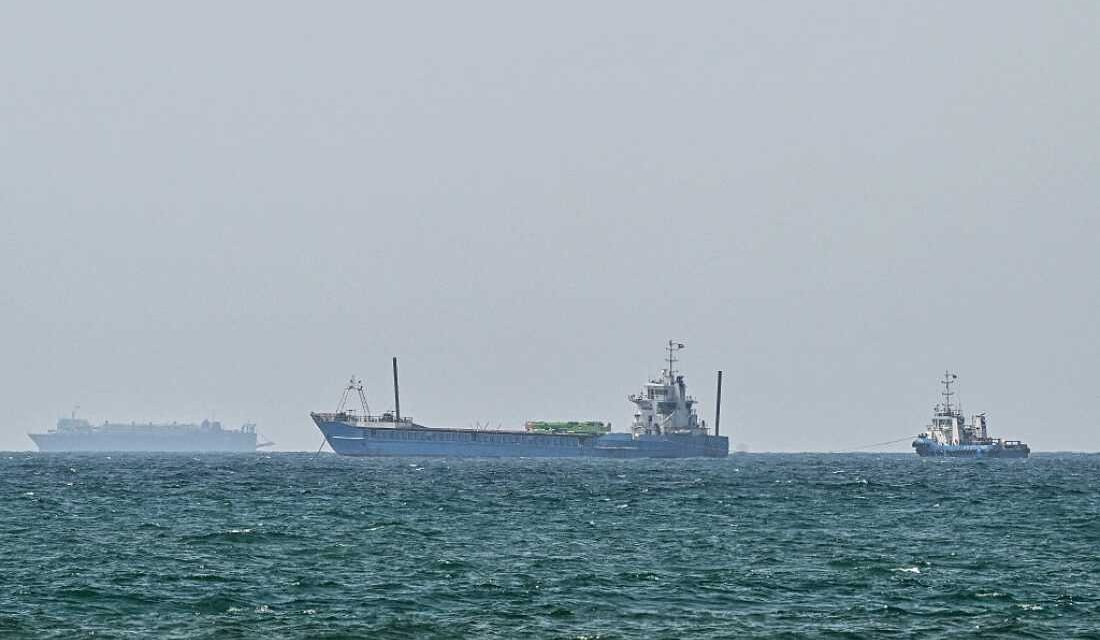
On May 21, 2026, vessels were anchored off the coast of Sharjah in the United Arab Emirates amid ongoing diplomatic discussions between the U.S. and Iran. President Trump has stated that expectations of an imminent agreement to end the war in Iran need to be tempered. Iranian officials have acknowledged disagreements on key points.
Trump indicated that a memorandum of understanding to reopen the Strait of Hormuz had been largely negotiated, yet he emphasized that the U.S. wouldn’t rush into any deal. “If I make a deal with Iran, it will be a good and proper one,” Trump announced on social media, advising against listening to critics.
In New Delhi, U.S. Secretary of State Marco Rubio expressed the U.S.’s commitment to giving diplomacy a chance to succeed before considering alternatives. Iranian leaders have yet to publicly comment on the agreement, though semi-official Iranian news agencies have noted disputes over certain issues threatening the deal.
Disagreements include the release of frozen Iranian funds and the lifting of restrictions on transit through the Strait of Hormuz.
Tasnim news agency accused the U.S. of “obstructionism” regarding releasing funds in return for transit access through the strait. The agreement under discussion proposes Iran restoring ship transit numbers through the strait to pre-war levels, with the U.S. lifting its blockade within 30 days. ISNA news agency suggests Iran insists on jointly administering the strait with Oman, governed by U.N. maritime laws.
The regional conflict escalated when the U.S. and Israel attacked Iran on February 28, resulting in retaliation against U.S. military bases and infrastructure in Gulf countries such as Saudi Arabia and the United Arab Emirates. A ceasefire was reached in April. The conflict has led to significant casualties among Iranians.
Until now, negotiations have shifted from regime change and nuclear concerns towards reopening the Strait of Hormuz due to rising oil prices and disruptions in shipping. This has affected global availability and prices of goods.
During Rubio’s visit to India, he confirmed that a solid proposal exists for reopening the strait, with discussions set to address nuclear matters. Iran’s stance on its nuclear program remains skeptical about relocating highly enriched uranium.
Senior Iranian officials have stated that Iran’s demands include ending the broader conflict, unfreezing assets, lifting the U.S. blockade, withdrawing foreign forces, and allowing Iranian oil sales.
The Iranian foreign ministry has mentioned that upon reaching an agreement, a 60-day negotiation period over nuclear issues would follow, contingent upon lifting U.S. sanctions.
“We are focused on ending the war for now,” Iranian representatives clarified.
President Trump has pledged to maintain the naval blockade until an agreement is finalized. Iran insists on negotiating to avoid further escalation and rising fuel prices.
Israel strongly opposes any deal halting the war in Lebanon despite a U.S.-facilitated ceasefire extension. Israeli occupations and airstrikes persist, leading to significant civilian casualties in Lebanon. In contrast, casualties in Israeli forces and civilians have been reported due to Hezbollah attacks.
 Protests Erupt in Albania Over Resort Development
 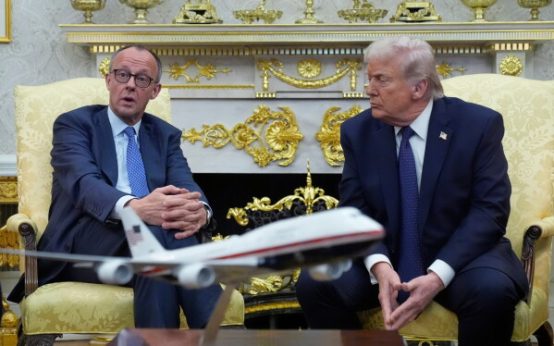 Clarity Sought on U.S. Troop Levels in Europe Amid Policy Changes
 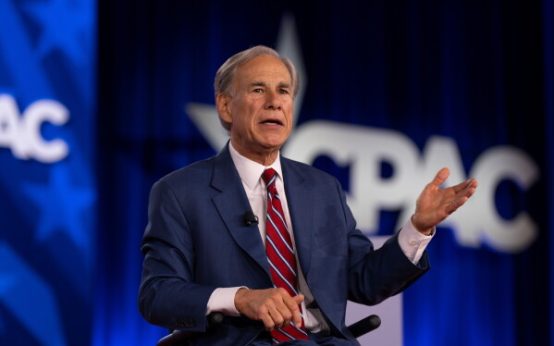 U.S. Military Awaits Pentagon’s Clarification on Troop Levels in Europe
 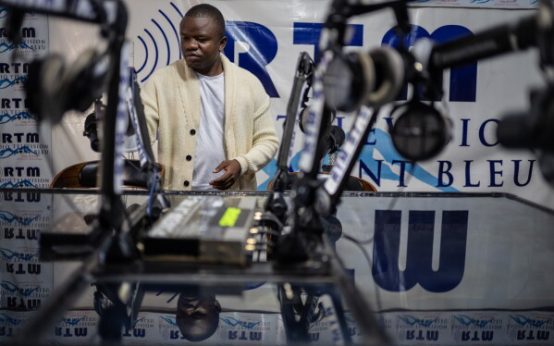 Potential Ebola Outbreak in Central Africa Raises Concerns of Rapid Spread
 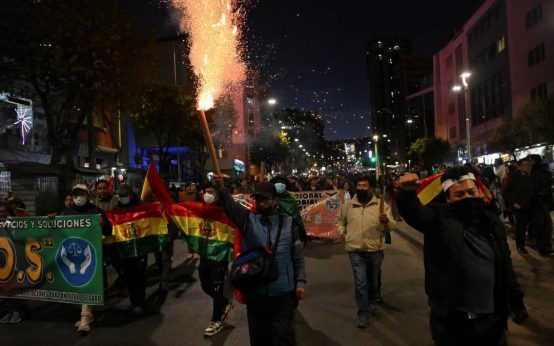 U.S. and Allies Condemn Efforts to Overthrow Bolivian Government
  Pamela Hicks: Cousin, Bridesmaid, and Witness to History