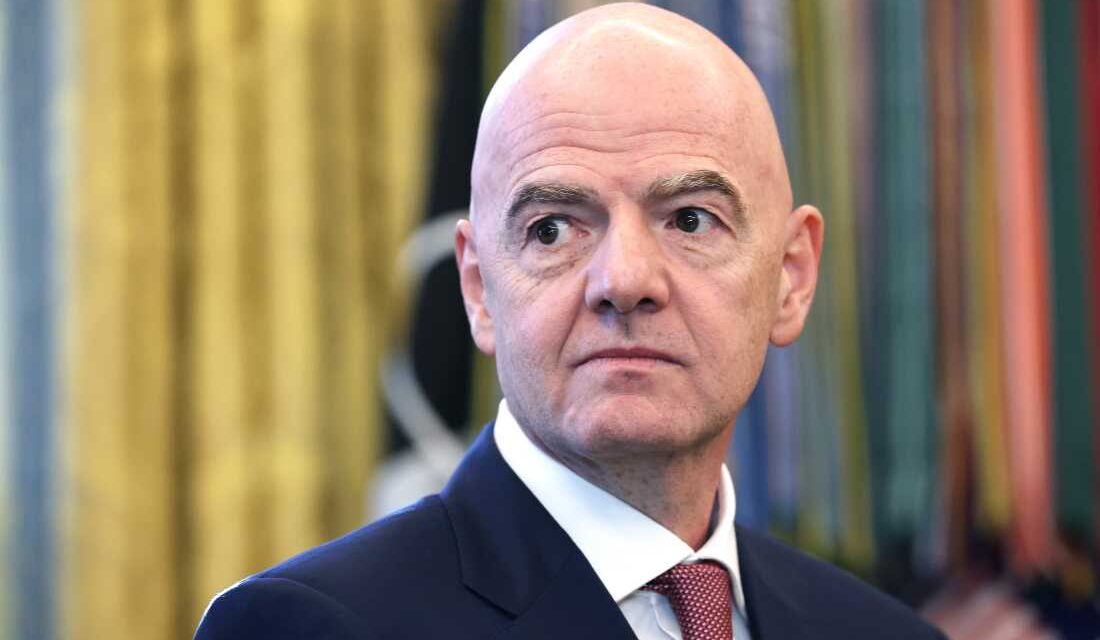
FIFA, led by President Gianni Infantino, is under investigation by attorneys general in New Jersey and New York. The probe focuses on the organization’s ticket pricing and sales practices for the upcoming World Cup, which is being held in the United States, Mexico, and Canada. The investigation is led by New York Attorney General Letitia James and New Jersey Attorney General Jennifer Davenport. They are examining whether FIFA’s sales tactics have resulted in excessively high ticket prices.
Rising Ticket Prices Draw Criticism
Ticket prices for the tournament have skyrocketed compared to previous World Cups. For the first time, FIFA has implemented dynamic pricing, causing significant price hikes for many matches. An example is the final match in New Jersey, where the most expensive tickets initially sold for $6,730. By April, the same tickets were priced at $10,990. This represents a significant increase from the 2022 World Cup in Qatar, where the highest-priced tickets were about $1,600.
The high prices have led to considerable public disapproval. Even former President Trump voiced his reluctance to pay $1,000 for upper-level seats for the opening game involving the U.S. and Paraguay. Adding to the situation, FIFA introduced a new ticket category, ‘Front Category’ seats, with prices exceeding $30,000 for prime areas in the stadiums.
Legal Concerns Over Sales Practices
The legal investigation questions whether FIFA has capitalized on its monopolistic position to manipulate ticket sales. Legal experts, such as Derek Howard from the University of San Francisco, highlight that FIFA’s pricing strategy is not transparent. Fans have no insight into ticket availability, and FIFA’s strategy creates urgency by suggesting scarcity. Howard noted, ‘FIFA uses scare tactics to pressure fans into buying high-priced tickets without clear information.’
FIFA has been criticized for its opaque sales strategy during the ‘last-minute sales’ period, when tickets become available in sporadic batches. This method confuses buyers regarding ticket availability and pricing, leading to consumer dissatisfaction.
Seating Assignments and Consumer Deception
World Cup ticket buyers cannot select specific seats initially; they choose from four broad categories. Specific seating assignments are provided later. This process contrasts with typical U.S. ticket purchasing, where buyers select their exact seats at the time of purchase.
The broad categories can mislead consumers. For instance, Category 1, the most expensive option, suggests access to premium seating. However, prime sideline seats may be reserved for sponsors and VIPs. Consequently, many buyers have experienced receiving less desirable seats. Although FIFA clarifies on its website that stadium maps are for guidance only, shifting seat categories post-purchase may be called ‘bait and switch.’
Potential Legal Repercussions
The ongoing probes could lead to legal action against FIFA, including potential class action lawsuits from fans. Several lawmakers have contacted FIFA, demanding an explanation of its sales practices. Attorneys general from other states, like California’s Rob Bonta, have also raised concerns about possible misleading practices.
FIFA maintains that its pricing strategy aligns with the North American market’s demands. These practices, while profitable — potentially generating over $11 billion, including broadcast deals — have fueled consumer outrage and risk legal consequences.
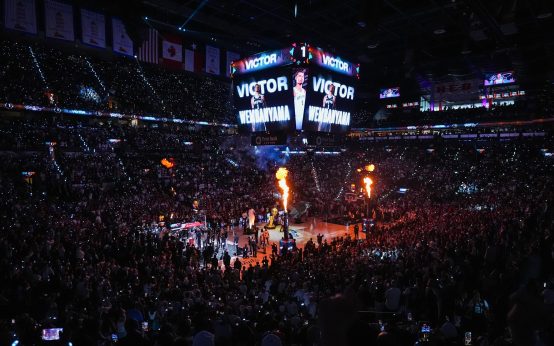 Knicks Edge Spurs in Thrilling Finals Game
  Marist’s Lexi Kyros Showcases Skill in State Semifinal
  Mundelein Advances to State Championship Game
  Lincoln-Way West Advances to State Final with a Key Victory
 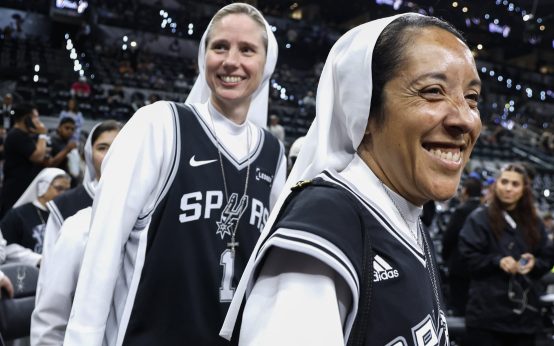 Knicks Lead Spurs As Fourth Quarter Begins: A Playoff Showdown
  Knicks Maintain Lead With Strong Third Quarter Play