U.S. Military Action in the Eastern Pacific
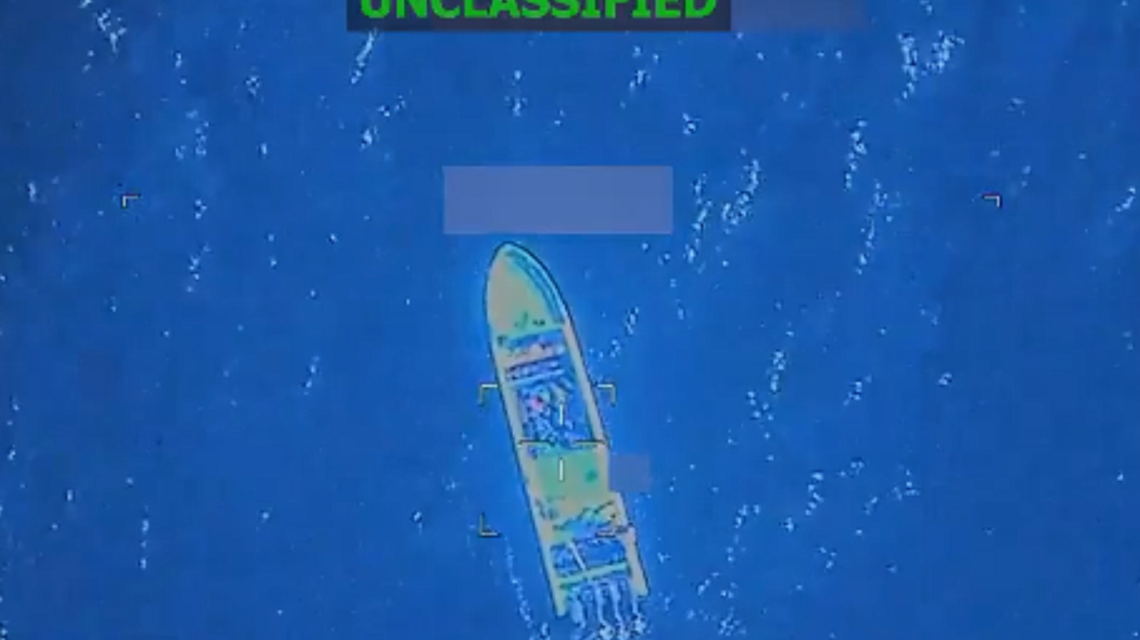
The U.S. military recently conducted a third strike on a boat Friday, marking the latest in a series of operations over the past week. This action, confirmed by the U.S. Southern Command (SOUTHCOM), is part of an ongoing campaign targeting alleged drug-trafficking vessels in the eastern Pacific Ocean and Caribbean Sea. The boat involved in this strike was accused of smuggling drugs, and three men were killed, whom SOUTHCOM identified as ‘narco-terrorists.’ This brings the total number of deaths from these operations, which began in early September, to over 200.
Details of the Strike
SOUTHCOM reported that intelligence confirmed the boat was navigating known drug-trafficking routes in the Eastern Pacific. The military described the action as a ‘lethal kinetic strike’ aimed at a vessel operated by designated terrorist organizations. The U.S. government characterizes these efforts as part of a broader crackdown on drug trafficking into the country. However, the actions have faced international criticism and concern from various humanitarian groups and scrutiny from U.S. Congress.
Legality and Controversy
The legality of these strikes has been questioned due to a lack of public evidence provided by the Trump administration to support claims that the boats were carrying drugs. The U.S. government claims it is engaged in a legal ‘armed conflict’ with drug cartels to reduce drug flows and protect American lives. Yet, critics, including humanitarian organizations and former officials, argue that these strikes are illegal under international law, as the military should not target civilians unless posing an immediate threat. Groups such as the American Civil Liberties Union and Human Rights Watch have criticized the strikes as unlawful.
Guatemala’s Position
Despite the U.S. administration’s campaign, Guatemala’s President, Bernardo Arévalo, has denied involvement in authorizing U.S. strikes on drug smugglers within its borders. Contrary to reports suggesting an agreement with U.S. Defense Secretary Pete Hegseth, Arévalo stated there is ‘no agreement’ for joint military actions. However, Guatemala has requested U.S. assistance in dealing with drug cartels during the ongoing crackdown.
Effectiveness of the Operation
Despite the intent behind the operations, experts warn that the efforts have not reduced the flow of cocaine from South America into the U.S. A report from The New York Times highlighted that the ease with which cocaine enters the U.S. has not changed since these operations began. This conclusion is based on various factors, including street prices, overdose statistics, drug seizure data at the border, and samples’ purity.
 Protests Erupt in Albania Over Resort Development
  Clarity Sought on U.S. Troop Levels in Europe Amid Policy Changes
  U.S. Military Awaits Pentagon’s Clarification on Troop Levels in Europe
 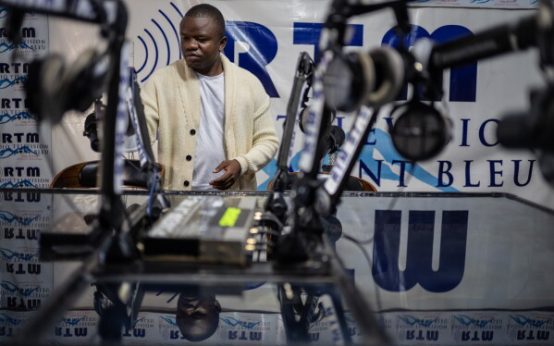 Potential Ebola Outbreak in Central Africa Raises Concerns of Rapid Spread
 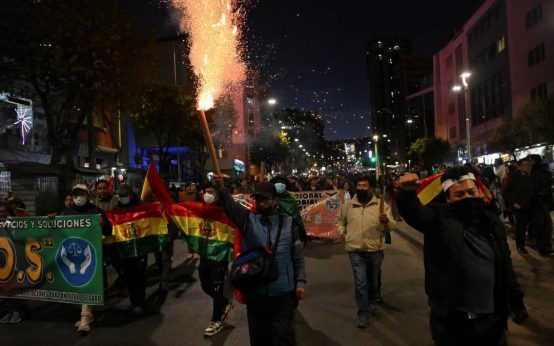 U.S. and Allies Condemn Efforts to Overthrow Bolivian Government
  Pamela Hicks: Cousin, Bridesmaid, and Witness to History