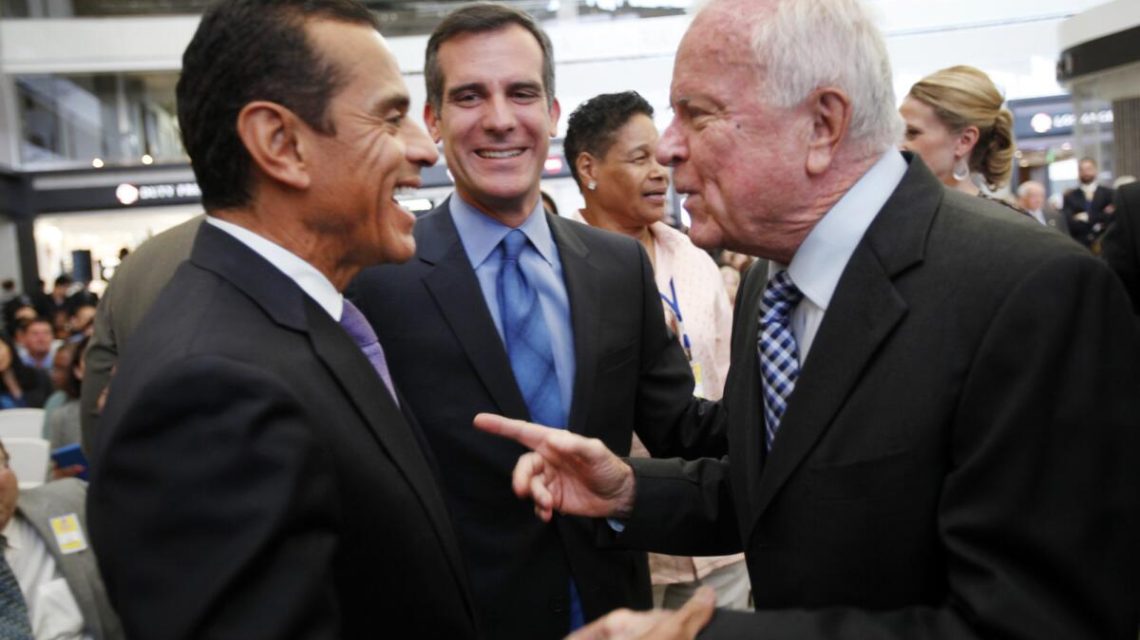
In 1973, Tom Bradley became Los Angeles’ first Black mayor by forming a coalition of Black, Jewish, white, and Latino liberals. This coalition ended decades of conservative white dominance at City Hall. Bradley’s election marked the onset of a 50-year period dominated by moderate Democrats in the city.
As Mayor Karen Bass seeks reelection, she faces challenges from both the left and right. Democratic Socialist Councilwoman Nithya Raman and Republican reality TV star Spencer Pratt are contesting her position. Political experts observe that mainstream Democrats in L.A. are struggling to maintain their coalitions amid frustrations with the status quo.
“Overwhelmingly, Angelenos feel Los Angeles doesn’t work,” said Fernando Guerra, founding director of the Center for the Study of Los Angeles at Loyola Marymount University.
The city’s increasing housing costs and various ongoing issues, such as homelessness and traffic, have led to new political divides. Though Bass may still have a chance in the nonpartisan mayoral race, the city’s traditional Democratic institutions are showing signs of erosion.
Historically, Los Angeles emerged as a Republican stronghold in California. A large influx of Midwesterners after the 1885 opening of the Santa Fe railroad led to a conservative white political leadership. Tom Bradley’s coalition sought to dismantle this hold, aiming to reflect the city’s diverse community. As the first Black City Council member, Bradley had fostered relationships across racial lines, paving the way for his election as mayor.
After Bradley’s era, L.A.’s political landscape continued to evolve. In the 1990s, frustration over issues like crime and economic disparities highlighted the need for change. The Rodney King incident and subsequent riots signaled a pivotal moment in the city’s politics, leading to shifts in voter alliances.
Subsequent mayoral elections highlighted changing coalitions. Antonio Villaraigosa and Eric Garcetti both navigated these complex political landscapes by building alliances among different demographic groups. This fluctuating political environment persists, as evidenced in recent elections and challenges faced by Democratic incumbents like Bass.
In recent elections, Republican candidates faced significant hurdles. For instance, billionaire developer Rick Caruso ran against Bass but changed his affiliation to Democratic, acknowledging the difficulty Republicans face in winning in L.A.’s predominantly liberal environment.
Polls indicate significant voter dissatisfaction with Bass’s handling of issues such as the Palisades fire and affordable housing. The emergence of renters as a significant political force signals a departure from the homeowner-dominated political landscape of Bradley’s time.
Political dynamics in Los Angeles continue to shift, with generational divides playing a crucial role. Young voters face challenges such as housing instability and student debt, impacting their political priorities.
As the political environment evolves, organizations such as the Democratic Socialists of America (DSA) have gained momentum. L.A. has elected several DSA-backed officials, and the organization’s influence continues to grow. However, internal disagreements, such as those affecting Nithya Raman’s mayoral campaign, highlight the challenges of maintaining cohesive coalitions.
Ultimately, the future of Los Angeles politics hinges on the ability of new leaders to forge innovative alliances. Rather than relying solely on traditional Democratic bases, success may require building new coalitions that reflect the diverse needs and aspirations of Angelenos.
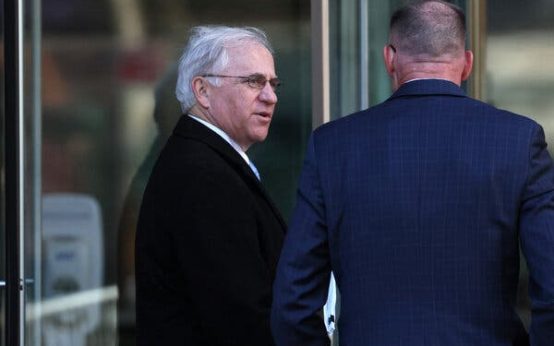 Trump Pardons Former Indiana Congressman Convicted of Insider Trading
 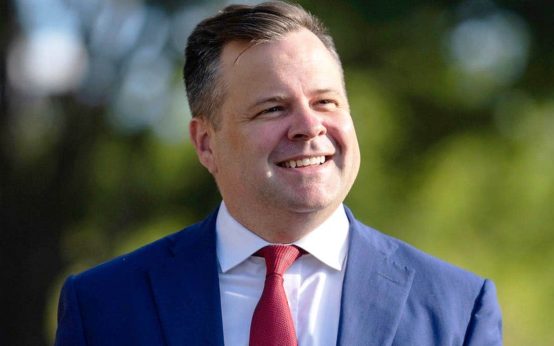 Trump Appoints Bill Pulte as Acting DNI with Plans to Reshape Intelligence Community
 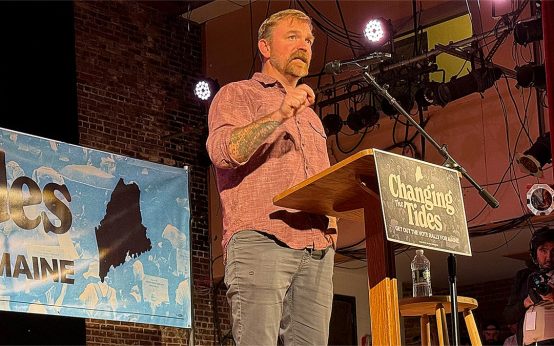 Maine Senate Race: Graham Platner Faces Scrutiny Amid Campaign Controversies
 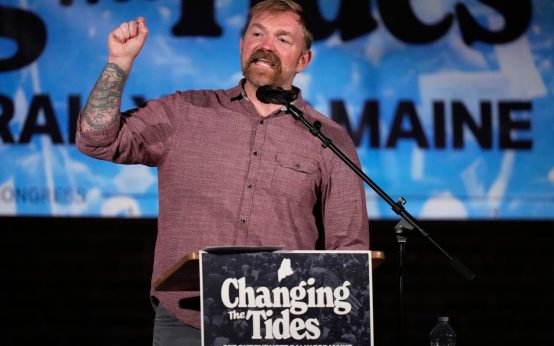 Graham Platner’s Campaign Faces Allegations and Support from Voters
  Trump Bolsters Support Among Wisconsin Farmers Amid Tariff Concerns