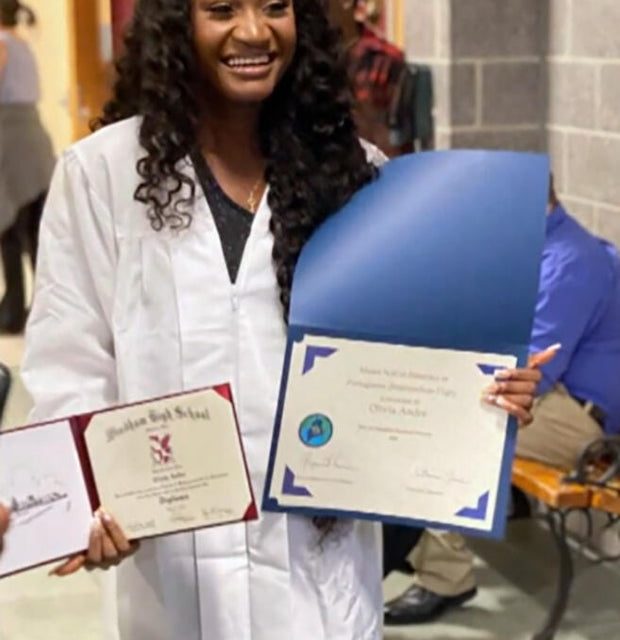
Joel Andre is a 17-year-old immigrant from the Democratic Republic of Congo. He lives with his family near Portland, Maine. As a soccer-enthusiast and high school junior, Joel finds solace alongside his sister, Estafania, as they immerse themselves in the World Cup, a distraction from more pressing concerns.
Their older sister, Olivia, aged 19, remains on their minds. While Joel, Estafania, and their mother Carine were released from the South Texas Family Residential Center in March, Olivia was held back. Joel recalls the experience as harsh, particularly for children, citing the poor quality of food and water.
The family sought refuge in the United States after escaping persecution in Congo, where Carine faced brutality for opposing the ruling regime. Their asylum plea featured compliance with every legal requirement, yet it wasn’t sufficient. In February 2025, a judge ordered their deportation. Their attempt to enter Canada failed, leading to their detention in Dilley once again.
“It is a series of trailers,” says Elora Mukherjee, the family’s lawyer from the Immigrants Rights Clinic at Columbia University, discussing the Dilley facility. Reports from past detainees describe insufficient clean water, subpar meals, and harsh living conditions.
Under President Trump’s second term, more than 6,300 children were detained, with almost half of them at Dilley. Most, like Joel and Estafania, had no criminal history. Congressman Joaquin Castro calls for the closure of the facility, noting its function as a deterrent for potential immigrants. The facility reopened in 2025 under a private contract.
The Flores Settlement, a longstanding federal mandate, dictates the prompt release of children. Despite this, families face prolonged detention exceeding these guidelines. The White House aims to terminate the settlement, a decision currently under appeal.
During a recent visit, Congressman Castro reported substantial concerns over conditions. Restrictions prevent media and even Congress members from using phones inside, limiting transparency.
Despite government denials of poor conditions, many remain skeptical. The proposed 2027 budget from the White House suggests expanding capacity in family detention centers, raising further questions.
Elora Mukherjee asserts that increased public awareness will drive opposition to the current practices at Dilley.
For Joel, Estafania, and Carine, a hopeful chapter unfolded when Olivia was released after over five months. This reunion offers a measure of relief for their family, though Congressman Castro reminds us it’s not the norm.
Government representatives, like those from DHS and CoreCivic, counter the negative depictions. They stress compliance with federal standards and argue that detained families receive better care than in some U.S. prisons. Yet, significant scrutiny and critique of this system persist.
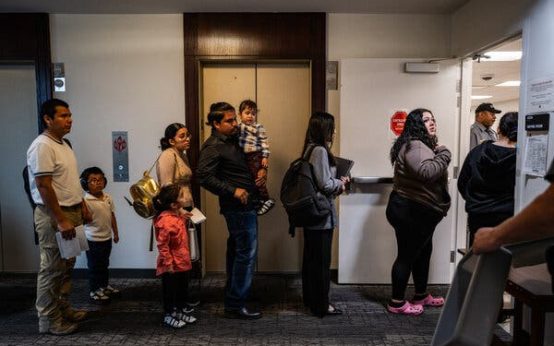 Judge Overturns Trump-Era Immigration Policies
  Lawsuits Against Federal Government Following Pennsylvania Rally Shooting
 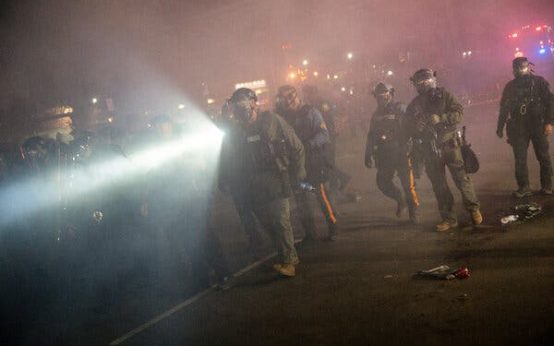 New Jersey Struggles with Protests Near Immigration Detention Center
 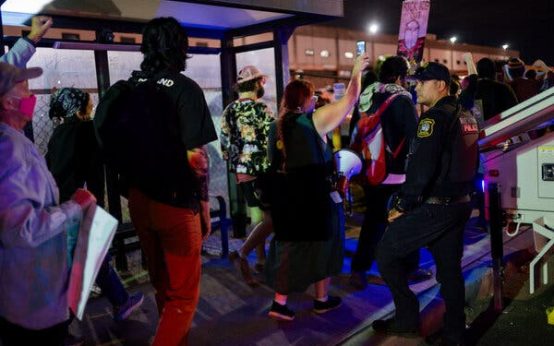 Newark Scales Back Police Presence at Detention Center Protests
  Investigation into Bus Company’s Network and Safety Violations
  Inflation’s Rise Challenges Economists’ Claims