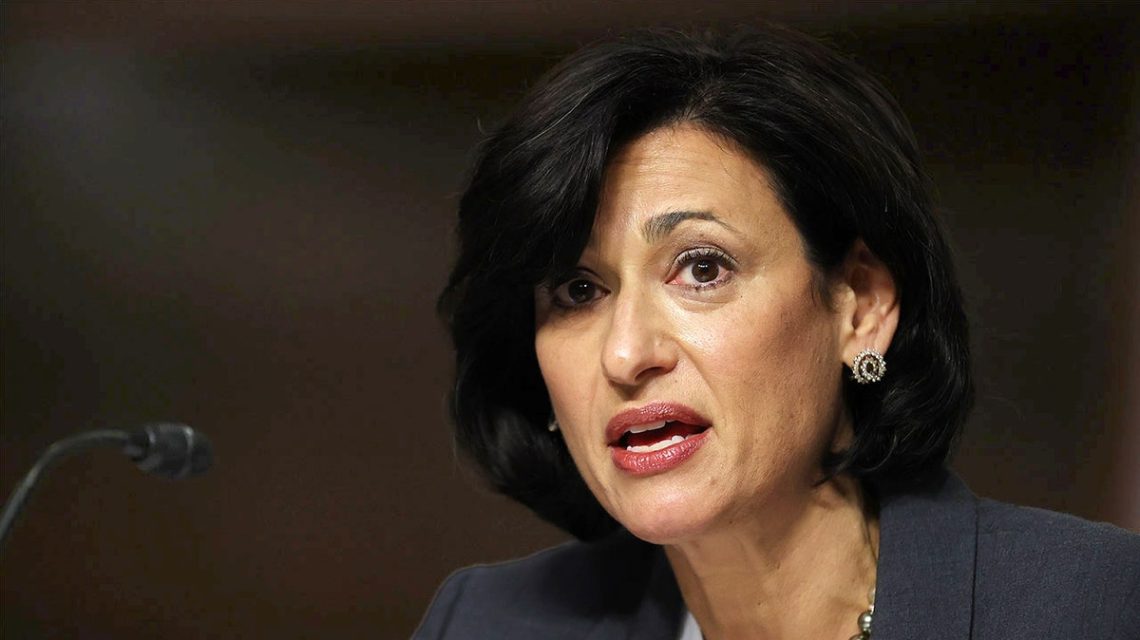
As we approach June 2026, social media and public reactions continue to show significant numbers of people who persist in wearing masks. An individual recently gained attention on social media by sharing his experience of wearing a mask at the British Museum in London to preserve his health and protect his IQ. This ongoing commitment to masking doesn’t stem solely from a lack of intelligence or irrational fears, nor from political affiliations. Instead, it’s largely due to the influence of media, politicians, and particularly the research endorsed by the CDC.
Recently, Robert F. Kennedy Jr. defended his decision to instigate changes within the CDC, promoting the need for transformation in the agency. Simultaneously, researchers highlighted the CDC’s persistent efforts to advocate for masks. Vinay Prasad and Tracey Beth Hoeg, among others, investigated this dedication in their study. The study reviewed the CDC’s ‘Morbidity and Mortality Weekly Report’ (MMWR) over a 45-year span, focusing on data and evidence surrounding mask use.
Their findings indicated that out of 77 studies published after 2019, none were issued before 2019. Notably, 97.4% of these studies originated from within the U.S., covering diverse age groups and regions. Astonishingly, nearly 30% lacked a comparative group, while the common design observed was poorly informative observational studies. The CDC utilized these observational studies without comparative groups to substantiate claims regarding mask efficacy.
Moreover, nearly half of the research was community-based with no randomized trials. This highlights the inferior quality of evidence generated. Only 30% of the studies tried assessing mask effectiveness, and a mere 14.3% presented statistically significant outcomes. Yet, an overwhelming 75.3% concluded that masks were effective against COVID-19.
The CDC derived conclusions from low-quality research with exaggerated claims and unsupported causal links. For instance, 71% of the studies adopted causal language, asserting how masks reduced COVID-19 spread without scientific backing. None of the studies referenced used randomized data, further questioning the validity of their assertions.
The CDC’s MMWR was pivotal in shaping mask mandates. It was referenced to enforce widespread mandates, including for young children. Estimates revealed that over 75% of MMWR studies reached positive conclusions about mask efficacy despite negligible testing and significant results.
The historical perspective provides insight into the CDC’s evolving stance. Initially, in early 2020, the CDC did not advise mask-wearing for healthy individuals. By April 2020, this changed, with universal masking recommended in public spaces. Subsequently, mandates extended to schools, daycares, and public transport.
This usage of MMWR studies influenced extensive policy decisions affecting millions. However, an inspection of the CDC’s published research exposes how MMWR publications frequently overstated claims, spreading misleading information through media. Notably, even CDC directors cited unreliable observational studies to validate mask effectiveness.
While some mask-wearing decisions stemmed from these biased conclusions, independent reviews, such as those by the Cochrane Library, offered a contrasting view. High-quality evidence often found masks ineffective in preventing respiratory virus transmission, leading to diminished public trust and significant reputational damage for the CDC.
 Mount Sinai Health System Faces Subpoena on Gender-related Care
  Potential Ebola Outbreak in Central Africa Raises Concerns of Rapid Spread
  Researchers Escorted Out of Diabetes Conference for Criticizing Trump Administration
  Ebola Outbreak in Africa: A Serious Concern
  Gold and the Ebola Outbreak in Congo’s Mining Towns
  House Passes Bill for Veterans’ Benefit Increase