
My father spent his final moments on a hospice cot in our living room. He was surrounded by family, his treasured books and records, and the chair where he’d read the newspaper each morning. His passing wasn’t peaceful. At 58, he was filled with anger and frustration. When a nurse offered him morphine, he resisted, muttering, “You don’t have to drug me.” This memory no longer chills me. Instead, it highlights how precious he viewed life, clinging to it despite his suffering. He embodied the poet’s call to fight against the end.
His last words to me were about UFOs: “They’re real, you know.” He might have been delirious, or it might have been the most significant thought to him. I question whether he fully grasped his end was near. It happened on a sunny August afternoon in 1999. The family surrounded him, anticipating his heart’s final beat. My grandfather eventually entered, took his hand, and my father let out a noise, a cough or sputter, before passing.
I’ve lived more years without my father than with him. His death was both my most difficult experience and a transformative event. Watching someone I deemed unshakeable die made me aware of my mortality. It pushed me to pursue my desires with urgency and fearlessness.
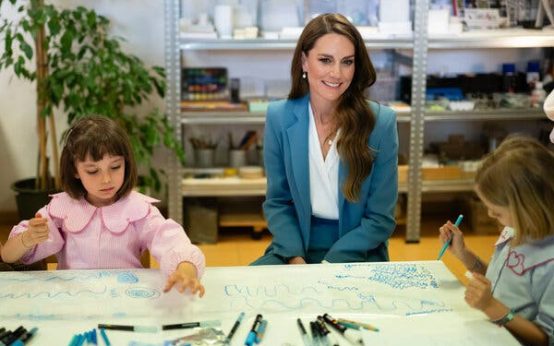 Catherine, Princess of Wales, Advocates for Human Connection Amid Digital Age
 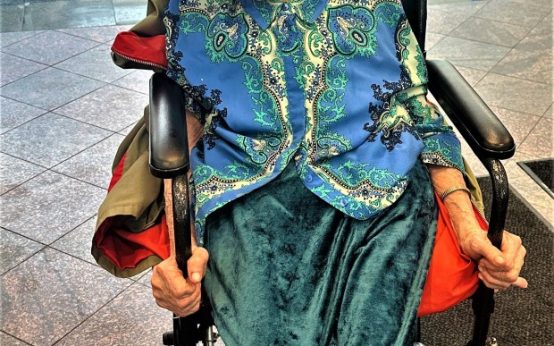 Celebrating the Life of Evelyn Tolpa Lisek: A Legacy of Music and Community
  Unforgettable Fatherly Advice Shared by Readers
 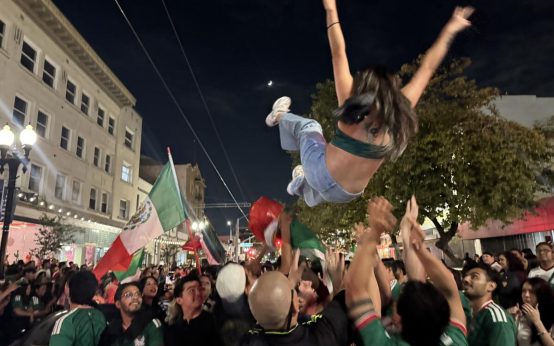 Celebration and Joy in Santa Ana After Mexico’s World Cup Win
 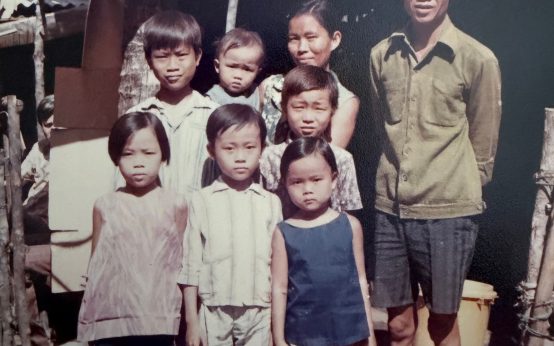 A Journey of Hope: A Refugee’s Story and The Power of Humanitarian Support
  Navigating Complex Relationships with Therapeutic Insights