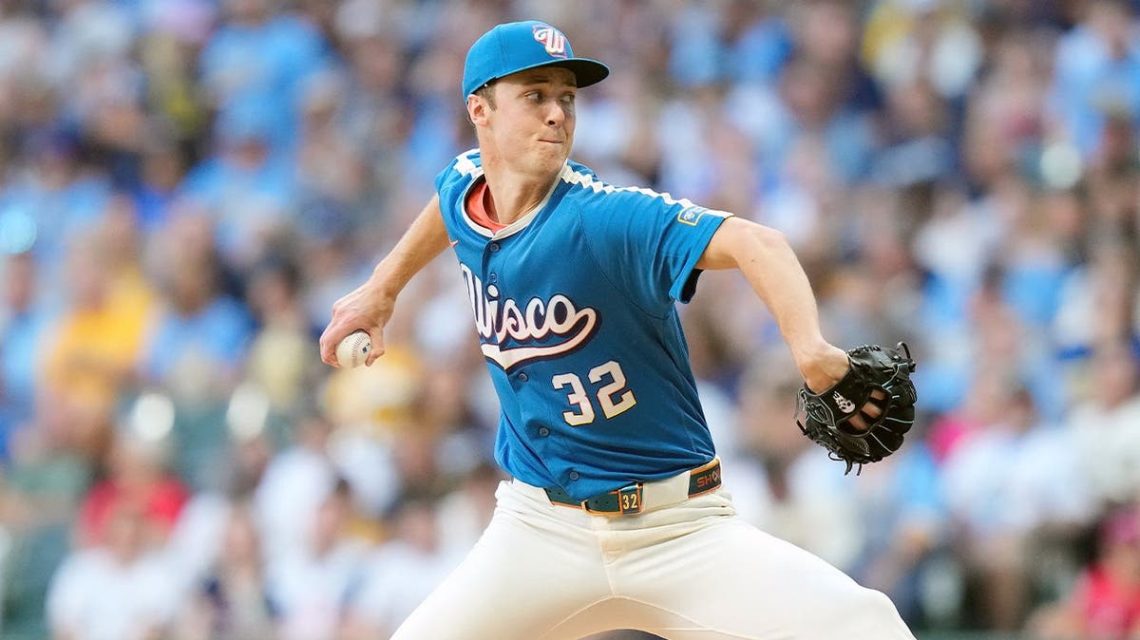
Baseball in 2026 has become incredibly challenging for hitters. Major League Baseball showcases pitchers capable of remarkable feats. Jacob Misiorowski exemplifies this with his astonishing 104 mph fastballs and devastating 93 mph sliders. Only a decade ago, the average fastball velocity was 93 mph. Misiorowski has conceded merely 15 earned runs across his initial 15 starts this year.
On the other hand, relief pitchers like San Diego Padres closer Mason Miller are dominating as well. Miller has allowed only three earned runs over 32 innings. Facing 123 hitters, he has struck out an impressive 63. With an average hard hit percentage allowed around 40%, Miller stands out with his statistic at just 7%.
Milwaukee Brewers pitcher Jacob Misiorowski recently set a record with a pitch clocking 104.5 mph.
A recent surge in baseball offenses raises questions about how this happens amidst strong pitching performances. The answer lies in changes to the baseball itself.
Eno Sarris from The Athletic studied recent drag alterations on baseballs, uncovering its lowest levels since 2019. Reduced drag results in balls flying farther due to decreased air resistance. The 2019 season was known for offensive highs with numerous players hitting over 30 and 40 home runs and a league batting average of .252/.323/.425. Comparatively, the 2025 season saw averages diminish to .245/.315/.404 amid higher drag.
Sean Zerillo further researched, revealing substantial increases in offensive analytics during this period. Barrel distance rose by 10.2 ft from April 2026 onwards. He noted this as the largest in-season jump from April to June in the Statcast era.
The influence of weather was explored, yet Zerillo’s study showed a standard 4.6 ft increase average due to weather factors. However, the observed increase of extra distance from reduced baseball drag coincided without weather impacts, even within domed or roofed stadiums.
MLB controls on-field ball production alongside humidor installations in all stadiums. Although drag reduction by Commissioner Rob Manfred isn’t explicitly instructed, a push for more vibrant offense exists. Rule changes aiming to enhance innings, such as the shift ban, initially succeeded with run averages climbing from 4.28 per game in 2022 to 4.62 in 2023 but declining again to 4.45 by 2025.
This might indicate efforts to balance advancements in pitching by adjusting baseball properties. Casual fans are drawn more to home runs from stars like Shohei Ohtani. An extra six feet of measured distance can mean the difference between simple fly balls and game-changing home runs.
The coming months, especially as the season progresses toward October, will be tightly watched for continuations of these patterns and impacts on offensive strategies.
Ian Miller contributes to OutKick with insights into sports dynamics.
 Washington Mystics Narrow Defeat Against Top WNBA Team
 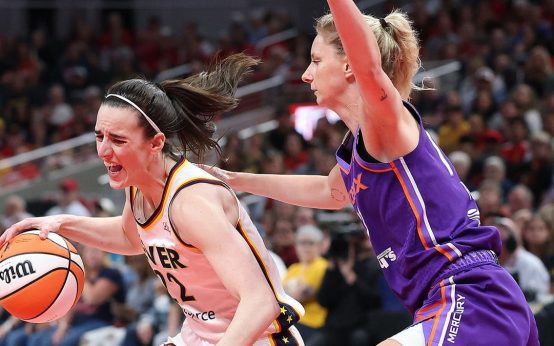 Caitlin Clark Exits Game Early Due to Back Issue
 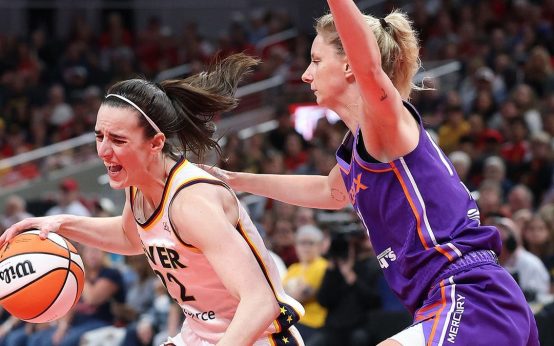 Controversial Gameplay and Referee Decisions in Indiana Fever vs. Phoenix Mercury
  NBA Draft Highlights: Key Picks and Trades
 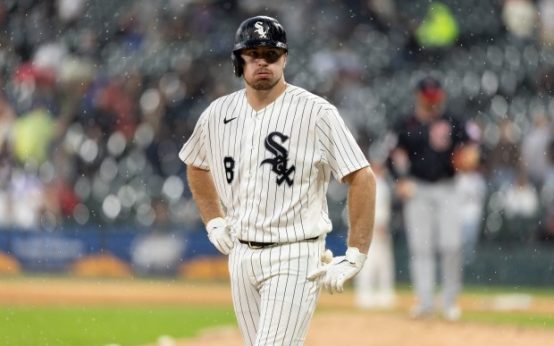 Chicago White Sox Face 4-3 Loss to Cleveland Guardians in Tight Game
  Switzerland Defeats Canada to Top Group B in World Cup