
During the 2026 FIFA World Cup opening game, fans noticed a distinct difference in the jerseys of Brazil and Morocco. Brazil wore their traditional yellow jersey featuring an additional element: a gold version of the World Cup logo on the sleeve. Morocco’s jerseys, in contrast, had a standard white version. This was not an error. FIFA introduced a badge system for the 2026 tournament where most teams wear a standard logo, but select countries receive a gold version to honor their historical success.
Gold Badge Significance
FIFA’s practice of visually recognizing success began with the FIFA Champions Badge. This gold-and-white emblem is awarded to reigning world champions across national and club competitions. For the 2026 tournament, FIFA extended this concept. Nations with past World Cup victories now wear a gold logo, making them stand out.
Brazil’s World Cup Achievements
Brazil holds a record with five World Cup titles, starting in 1958 when Pelé led them to victory in Sweden. Their last win came in 2002 in Japan and South Korea with Ronaldo’s impressive performance. Despite this remarkable history, it has been 24 years since Brazil last won, which adds pressure to the current team.
Eight nations qualify to wear the gold badge. Germany, with a win in 2014, and current champions Argentina are among them. France, the 2018 champions, and Spain, who won in 2010, also have the badge. Uruguay, who claimed the title in 1930 and 1950, and England, winners in 1966, display the gold logo too. Italy, despite their rich soccer history and qualifying for the badge, did not make it to the 2026 finals and have been absent from the World Cup since 2014.
The Role of Stars on Jerseys
Besides the gold badge, teams display stars on their crests. Each star usually designates a World Cup victory, providing a visual snapshot of the team’s historical success. While most teams follow the “one star per win” rule, Uruguay displays four stars, acknowledging their Olympic wins in 1924 and 1928 as early world titles. Though FIFA does not strictly enforce star usage, it remains a recognized symbol of international football achievement, similar to the gold badge, highlighting nations with past World Cup triumphs.
 Norwegian Fans Bring Viking Energy to Boston’s World Cup Celebrations
  Attending the New York Knicks Championship Parade with Kids: What Parents Need to Know
 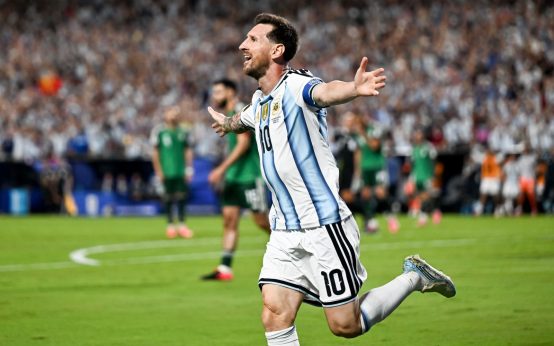 Key Highlights from 2022 World Cup Day 6
  Tyler Adams’ Mini-Pitch Initiative Expands Soccer Accessibility
  Avery Miller’s Rise in Naperville Central Softball
 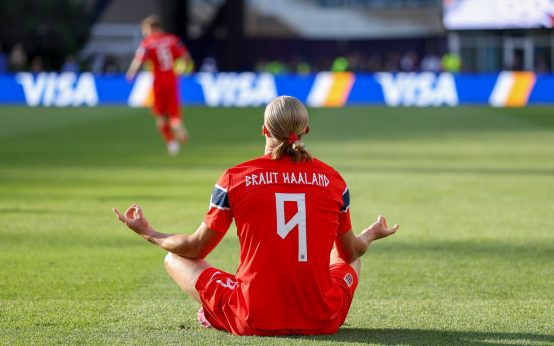 World Cup Day 5: Underdogs Shine, Superstars Dazzle