
Knowing your neighbors is more than simply recognizing them on the street. It involves understanding their names, what they do, and their lifestyle. A 2018 Pew Research study reveals that about 25% of adults under 30 are unfamiliar with their neighbors. This statistic highlights the need to foster community ties for a sense of comfort and security.
Creating bonds with neighbors is a skill worth developing early in life. Chris Loggins, the supervising producer of the children’s show Daniel Tiger’s Neighborhood, emphasizes the show’s focus on social and emotional skill-building. Each episode includes catchy songs that teach children vital interaction strategies.
Get to Know Your Neighbors
Initiating contact with your neighbors is the first step toward building a friendly community. Even simple gestures, like learning their names and professions, demonstrate readiness to help. Chris Loggins recounts his experience: after moving, his neighbors offered assistance, creating a welcoming atmosphere.
You don’t need extravagant acts or costly presents to be a good neighbor. A friendly introduction and asking open-ended questions can suffice.
Practice Kind Gestures Daily
Small acts, such as cleaning up litter, can show care for your neighborhood. Chris Loggins suggests using your skills — like giving flowers from your garden — to offer kindness without extravagant gestures.
Every small act counts and promotes a caring environment.
Feel Good by Connecting
While it may be tempting to isolate at home, social interactions can boost your mood. Emma Seppälä discusses how connection enhances well-being, creating a positive feedback loop.
A viral chain of kindness at a Winnipeg Tim Hortons in 2013 exemplified the power of paying good deeds forward, involving over 200 drivers reciprocating good gestures.
Engage with Diverse Neighbors
Encouraging children to interact with various neighbors is crucial for community building. Zach Norris, director of the Ella Baker Center for Human Rights, balances safety conversations with exposure to diverse figures.
He highlights the importance of understanding that perceived threats often extend beyond strangers. Engaging with individuals who have reconciled past mistakes provides valuable lessons on dynamic safety.
Acknowledge Implicit Bias
Being mindful of biases is essential when caring for your neighborhood. Zach Norris advises evaluating why someone may seem out of place or why there’s a tendency to alert authorities about them.
Question whether actual harm is occurring before calling the police, fostering community trust instead of suspicion.
Your approach to marginalized neighbors influences children, stressing the vitality of respect and understanding.
 103-Year-Old Golfer Bob Walls Continues to Impress
  Caring for Senior Dogs: A Journey of Love and Lessons
  Return of Astronaut Chris Williams: A Journey Home
 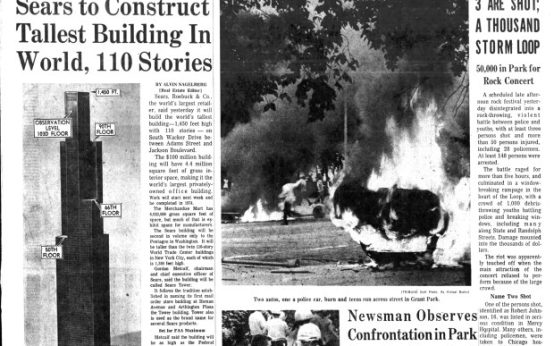 Historical Events in Chicago Area
  Sophie Cunningham’s Influence on Female Athletes’ Advocacy
  Riley’s Journey with Poland-Moebius Syndrome: A Mother’s Perspective