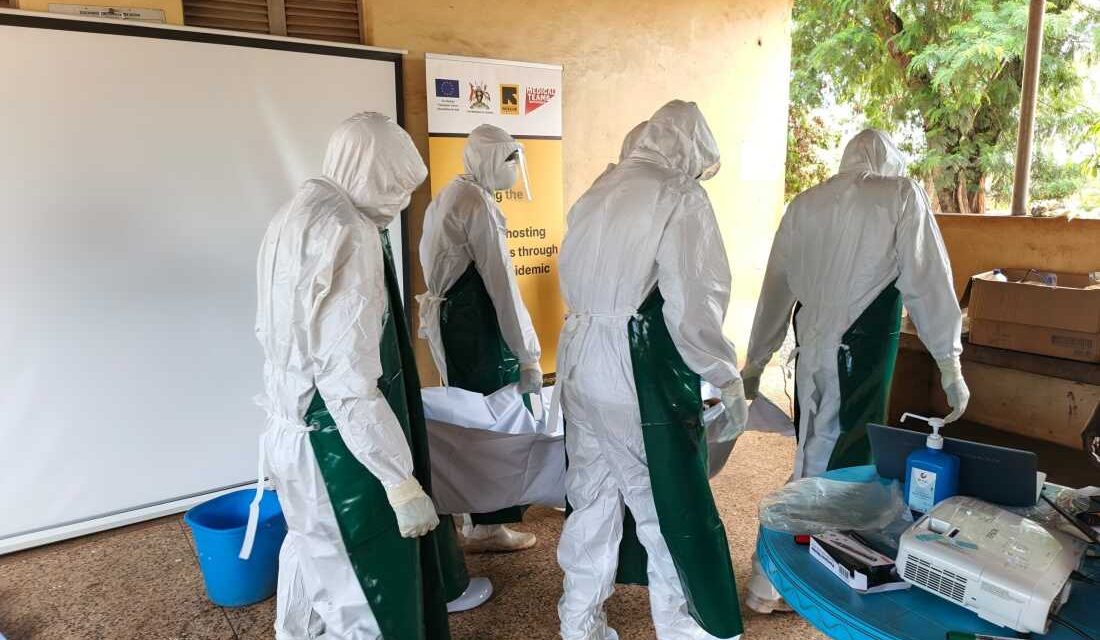
The ongoing Ebola outbreak in central Africa is of significant concern, as it continues to spread. One major complication is the misinformation surrounding the virus. Social media is rife with rumors that deny the existence of Ebola or question the motives of healthcare workers.
According to the World Health Organization, there are over 1,000 suspected and confirmed cases. At least 223 deaths are believed to be Ebola-related. However, health professionals suspect these figures are underreported.
Epicenter and Impact on Surrounding Regions
The Democratic Republic of Congo (DRC) serves as the epicenter of this outbreak. Meanwhile, Uganda, a neighboring country, initiated preventive measures by closing its official border crossings with the DRC on May 27. Despite these efforts, the porous nature of the border allows people to cross, which poses a continued threat.
Leonard Musinguzi, a community and surveillance officer for the International Rescue Committee (IRC) in Uganda, indicates that his responsibilities include tracking Ebola cases, quarantining refugees, and training healthcare workers to address the challenges effectively. He stresses that combating misinformation is crucial, as false information spreads faster than the virus itself.
Efforts to Counteract Misinformation
Musinguzi’s organization employs public health messaging to combat misinformation. This involves creating radio spots, posters, and television segments in hospitals, all aimed at educating the public about Ebola.
Impact of Aid Cuts on Efforts
Reduced funding affects these initiatives. For example, the IRC previously funded educational messages on five radio talk shows. With reduced resources, they can now afford only one such initiative.
Despite the budget cuts, the U.S. State Department notes that recent federal funding changes have not significantly impacted U.S. funding levels for global health programs in the eastern DRC. Spokesman Tommy Pigott highlighted that the United States mobilized resources within 24 hours following the first confirmed case, demonstrating swift action.
NPR’s Adrian Florido has engaged with aid workers and former agency employees to explore the global health system’s pressures and how governmental budget adjustments may play a role in this complex landscape.
 Researchers Escorted Out of Diabetes Conference for Criticizing Trump Administration
 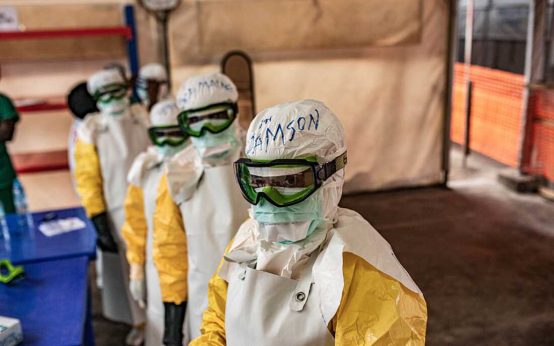 Ebola Outbreak in Africa: A Serious Concern
 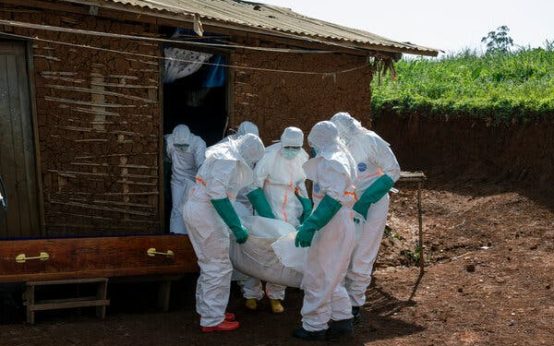 Gold and the Ebola Outbreak in Congo’s Mining Towns
  House Passes Bill for Veterans’ Benefit Increase
  Gene Editing in Human Embryos at Columbia University
  Melinda French Gates Commits $215 Million for Global Women’s Health