The State Department, under Deputy Secretary Christopher Landau, has implemented significant changes to its evaluation and promotion systems for U.S. diplomats. This initiative introduces a new assessment method that could impact career trajectories by reducing the number achieving top rankings in annual reviews. While it seeks to enhance accountability, some current and former officials argue it introduces new challenges, leaving many demoralized.
Former diplomat Mark Lambert expressed concerns about tying diplomats’ success to loyalty, fearing it may lead to poor advice and undermine alliances. He emphasized the need for foreign service officers to adhere to constitutional values over partisan loyalty.
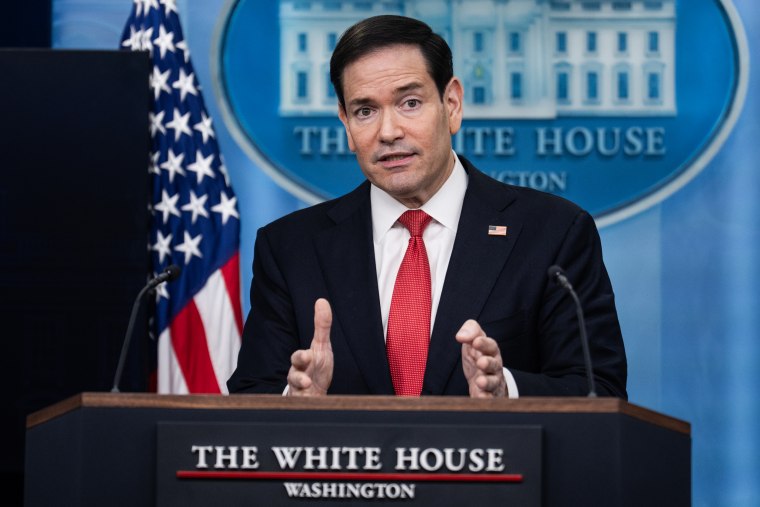
State Department spokesperson Pigott emphasized Secretary of State Marco Rubio’s commitment to receiving insights from dedicated Americans in public service. The recent reorganization aims to position embassies and regional bureaus to influence policies effectively.
In negotiations on global issues like the Ukraine and Iran conflicts, concerns have arisen about the exclusion of career diplomats from key discussions. Instead, these roles have been filled by individuals without diplomatic experience, leading to criticism of the administration’s approach.
Former Ambassador John Bass criticized efforts to diminish the influence of career experts within the department. He argued that experienced professionals are vital to maintaining initiative and upholding national interests.
During a major departmental reorganization, nearly 250 foreign service officers were dismissed, impacting those based in Washington. This has sparked criticism for replacing experienced diplomats with newly trained recruits, raising questions about diversity and inclusion in recruitment efforts.
Amid these changes, some diplomats have opted to resign, seeking roles that align better with their values. Others, like Horst, pursue careers outside the service, concerned about the long-term implications for U.S. diplomacy.
Current and former diplomats fear these shifts will have lingering effects on America’s diplomatic and operational capacities. Concerns are growing about the nation’s global reputation and the efficiency of consular services.
Kelly Adams-Smith, now an educator, stresses the importance of encouraging young talent to enter the foreign service. She believes a continuous influx of skilled professionals is essential to uphold nonpartisan diplomatic traditions.
 Justice Department Withdraws Plan for $1.8 Billion Fund
 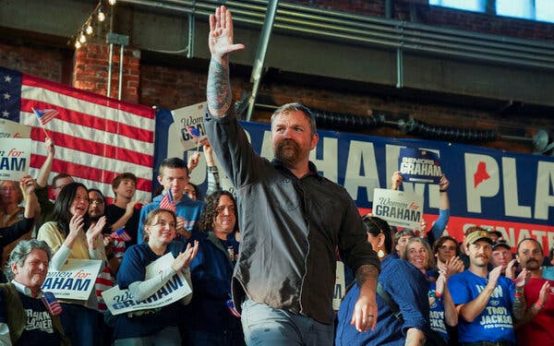 Democratic Concerns Grow Ahead of Maine Senate Primary
  Latin American Deportees in Congo: Return to Home Countries Amid Challenges
  Federal Judge Invalidates Trump-Era Immigration Policy
  Debate Over White House Ballroom Construction
  Scrutiny Surrounds Graham Platner Amid Maine Senate Primary