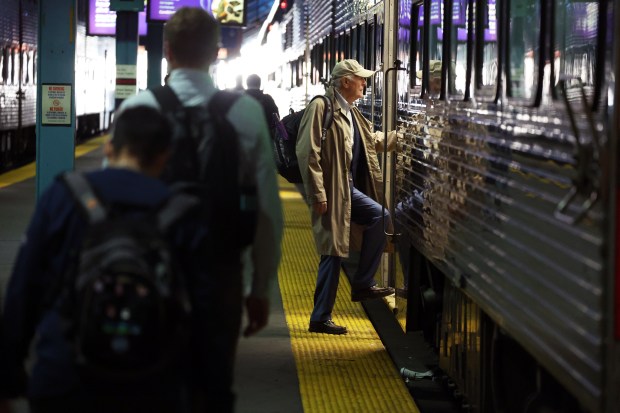
Landmark legislation aimed at enhancing the Chicago area’s regional transit system takes effect today. This law is expected to generate approximately $1.5 billion annually for public transit, targeting potential service cuts for the CTA, Metra, and Pace.
Springfield lawmakers championed the mantra, “No funding without reform,” as transit legislation was debated last year. Consequently, the law will restructure the governance of the CTA, Metra, and Pace by replacing the Regional Transportation Authority with the Northern Illinois Transit Authority. Legislators hope this change will foster improved coordination among transit agencies, enhancing service for passengers.
The current Regional Transportation Authority board plans to authorize a 0.25 percentage point increase to the sales tax in Cook County in line with the new legislation.
Key Legislation Features
The legislation’s primary purpose is to avert substantial service reductions on the CTA, Metra, and Pace by raising around $1.5 billion annually for public transit. The CTA faced impending service cuts due to dwindling federal pandemic aid and decreased ridership. Metra and Pace also faced upcoming financial challenges.
With new funding, these agencies have committed not only to maintaining current services but to enhancing them. The legislation spans over 1,000 pages and stipulates numerous new requirements for transit agencies. Examples include mandated specifications for “bus shields” and assessments for extending the Metra Electric Line to Kankakee and opening a CTA Green Line station in Englewood.
The restructuring introduces the Northern Illinois Transit Authority as a stronger version of the RTA. This change aims for improved coordination among transit agencies.
The legislation also revises the governance boards of the region’s mass transit agencies, setting terms to expire on September 1, with possibilities for reappointment. A notable shift is the reduced influence of Chicago’s mayor over CTA leadership. Despite Mayor Brandon Johnson’s recent attempt to appoint a permanent CTA head, the CTA board has not publicly responded.
Funding Source and Implications
Illinois lawmakers chose to redirect funds typically allocated for road projects to support public transit. This includes $860 million from sales tax revenue on motor fuel and $200 million from interest earned on the state’s road fund. Additionally, a sales tax hike is anticipated following today’s RTA vote. Funds diverted from road projects will be compensated by a toll increase of 45 cents on the Illinois Tollway.
Impact on Transit Riders
Public transit riders will not face fare hikes this year. Enhanced law enforcement presence will accompany service improvements. For CTA users, there will be increased bus frequency on select routes, and agency plans to mitigate slow zones, promising faster commutes. Metra will offer additional service on its Rock Island line, which connects downtown Chicago to Joliet.
A significant portion of this year’s new funds is allocated to bolster law enforcement, especially on the CTA.
 Largest Seizure of Illegal Cockroaches in Australia
  New Threat to U.S. Cattle Industry: The Screwworm Infestation
  Military Training Exercises Cause Stir in California Cities
  Manhunt Underway After Reported Shooting in Lansing, Illinois
  New World Screwworm Fly Returns to Texas, Poses Threat to Cattle Industry
  DOJ Investigates Arizona State University’s DEI Practices