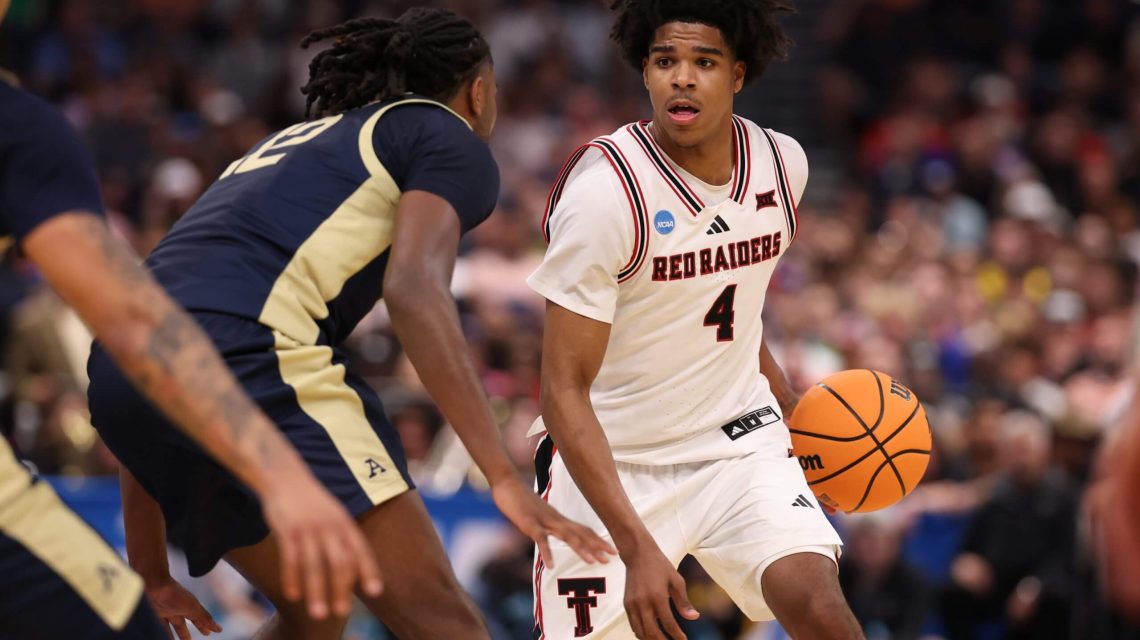
With the 2026 NBA Draft just days away, anticipation is high for a class rich in talent but lacking a clear standout superstar like LeBron James of the past. A variety of players, including AJ Dybantsa from BYU, Duke’s Cameron Boozer, Darryn Peterson of Kansas, and North Carolina’s Caleb Wilson, are each making strong cases for the top pick. These leading prospects headline a crowded draft pool, particularly among point guards, creating challenges for teams as they make their selections.
The Washington Wizards, who secured the No. 1 pick at the recent NBA Draft Lottery, add another layer of intrigue to this year’s draft. Duke’s Cameron Boozer, topping some prospect lists, is noted for his consistent performance across various levels of competition. For a more detailed evaluation, one can delve into substantial profiles and statistical breakdowns of top talents, yet here’s a synthesis of the major contenders:
Tier 1: Prime Contenders
These are players positioned at the pinnacle of the draft, marked by significant basketball acumen and the potential to strongly influence any franchise. Cameron Boozer, with his versatile gameplay and competitive edge, stands out, while strong anticipation surrounds the strategic choices by other highly rated talents.
Tier 2-5: Key Prospects
This bracket encompasses those who hold significant but potentially variable impact on their future teams. Standouts like Allen Graves from Santa Clara, noted for his unique skill set in rebounding and passing, and Morez Johnson Jr. of Michigan, lauded for his versatility in a forward-center hybrid role, are representative of depth in this draft.
Detailed Prospective Player Analysis
For instance, Allen Graves intrigues with his unique playmaking ability and rebound prowess (averaging 2.5 assists per turnover and recording an impressive steal rate). Concerns exist over his defensive position and shooting speed, but his potential remains high.
Elsewhere, players like Stanford’s Ebuka Okorie manifest strong production metrics, comparable even to projected top pick AJ Dybantsa, despite Okorie’s lower profile. His shooting, passing, and defensive metrics suggest strong future contributions to an NBA team.
Further down in the rankings, Baylor’s Cameron Carr, an explosive athlete with the second-best no-step vertical at the combine, exemplifies raw potential. His room for development in playmaking and handle promise a top-tier guard prospect if polished further.
Draft Landscape and Strategic Insights
The strategic choices for teams and scouts include high-risk/high-reward assessments, as seen with players like Graves, and the strategic positioning of late-round picks who might blossom given the right developmental environments.
Analysts and team strategists are notably keen on players who might surpass current expectations with refining, like Joshua Jefferson of Iowa State, who demonstrates unconventional playmaking as a forward. His diverse skill set challenges traditional roles, showcasing the shifting nature of the sport’s evolving positions.
Ultimately, the 2026 NBA Draft represents a pivotal moment for teams seeking to address both immediate team needs and potential long-term dividends through judicious scouting and strategic selections.
 Washington Mystics Narrow Defeat Against Top WNBA Team
 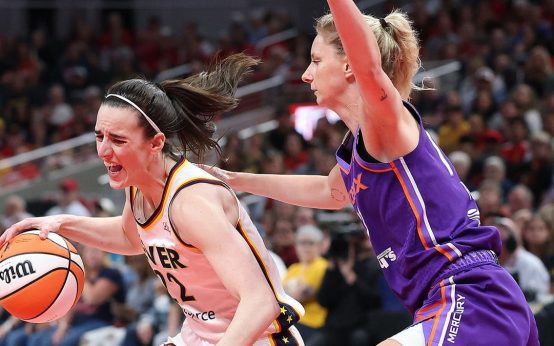 Caitlin Clark Exits Game Early Due to Back Issue
 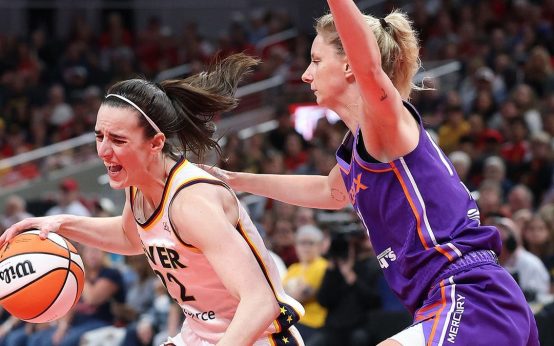 Controversial Gameplay and Referee Decisions in Indiana Fever vs. Phoenix Mercury
  NBA Draft Highlights: Key Picks and Trades
 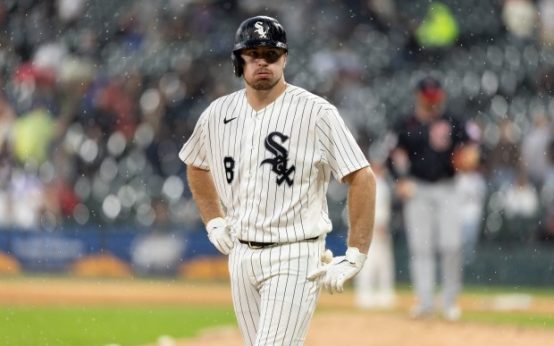 Chicago White Sox Face 4-3 Loss to Cleveland Guardians in Tight Game
 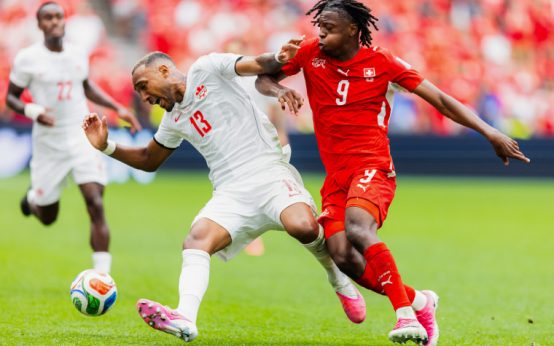 Switzerland Defeats Canada to Top Group B in World Cup